






What is the story about?
Iran’s Foreign Minister Seyed Abbas Araghchi has accused the United States and Israel of targeting Iranian universities in ongoing military strikes, warning that Tehran will respond.
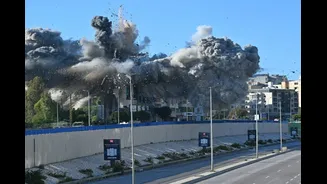
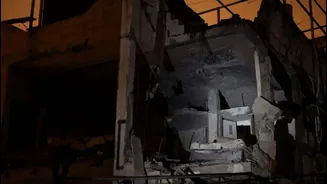
In a post on social media, Araghchi claimed that “Israeli-US aggressors have bombed the MIT of Iran,” referring to one of the country’s leading academic institutions. He said the attack followed earlier strikes on other universities, raising concerns about the safety of educational and research facilities amid the conflict.
In his statement, Araghchi invoked a well-known saying attributed to Prophet Muhammad, noting that even if knowledge were located in the distant Pleiades star cluster, Iranians would still be able to attain it.
The remark appeared to emphasise Iran’s resilience and its long-standing focus on education and scientific advancement despite external pressure.
He ended his message with a warning, saying that “aggressors will see our might,” signalling a possible escalation in rhetoric as tensions in the whole West Asian region remain high.
While Iranian officials have alleged strikes on academic institutions, there has been no immediate independent confirmation of the specific targets mentioned in Araghchi’s statement.
However, media reports in recent weeks have indicated that infrastructure linked to research and technology has come under attack as part of the broader conflict between Iran, Israel and the US.
Analysts say that universities and research centres could be seen as strategic targets due to their links with scientific development, including areas such as engineering and nuclear research.
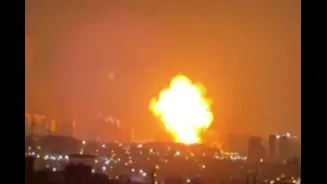
The accusations come amid an ongoing military escalation in the region. The conflict, which expanded earlier this year, has seen air strikes, cyber operations and proxy engagements across the region.
Iran has repeatedly accused Israel and the US of carrying out coordinated attacks on its territory, while both Washington and Tel Aviv have defended their actions as necessary to counter perceived threats.
The situation has raised fears of a broader regional conflict, with global powers calling for restraint.
International observers have expressed concern over the targeting of civilian and academic infrastructure, warning that such actions could further inflame tensions and disrupt education and research.
Iran has maintained that its response will be measured but firm, while continuing to signal that it will not back down under pressure.
As the conflict evolves, the focus is likely to remain on how both sides calibrate their actions to avoid a wider war.
In a post on social media, Araghchi claimed that “Israeli-US aggressors have bombed the MIT of Iran,” referring to one of the country’s leading academic institutions. He said the attack followed earlier strikes on other universities, raising concerns about the safety of educational and research facilities amid the conflict.
Israeli-U.S. aggressors have bombed the MIT of Iran. This follows attacks on other universities.
— Seyed Abbas Araghchi (@araghchi) April 6, 2026
1,400 years ago, Prophet Muhammad (PBUH) said that even if knowledge was situated in the distant Pleiades, Iranians would be capable of attaining it.
Aggressors will see our might. pic.twitter.com/Dn3hSCaBNv
Historical reference
In his statement, Araghchi invoked a well-known saying attributed to Prophet Muhammad, noting that even if knowledge were located in the distant Pleiades star cluster, Iranians would still be able to attain it.
The remark appeared to emphasise Iran’s resilience and its long-standing focus on education and scientific advancement despite external pressure.
He ended his message with a warning, saying that “aggressors will see our might,” signalling a possible escalation in rhetoric as tensions in the whole West Asian region remain high.
Universities in line of fire
While Iranian officials have alleged strikes on academic institutions, there has been no immediate independent confirmation of the specific targets mentioned in Araghchi’s statement.
However, media reports in recent weeks have indicated that infrastructure linked to research and technology has come under attack as part of the broader conflict between Iran, Israel and the US.
Analysts say that universities and research centres could be seen as strategic targets due to their links with scientific development, including areas such as engineering and nuclear research.
Wider conflict intensifies
The accusations come amid an ongoing military escalation in the region. The conflict, which expanded earlier this year, has seen air strikes, cyber operations and proxy engagements across the region.
Iran has repeatedly accused Israel and the US of carrying out coordinated attacks on its territory, while both Washington and Tel Aviv have defended their actions as necessary to counter perceived threats.
The situation has raised fears of a broader regional conflict, with global powers calling for restraint.
Global concerns
International observers have expressed concern over the targeting of civilian and academic infrastructure, warning that such actions could further inflame tensions and disrupt education and research.
Iran has maintained that its response will be measured but firm, while continuing to signal that it will not back down under pressure.
As the conflict evolves, the focus is likely to remain on how both sides calibrate their actions to avoid a wider war.