




What is the story about?
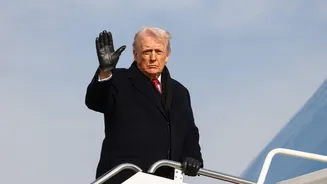
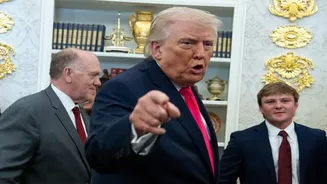
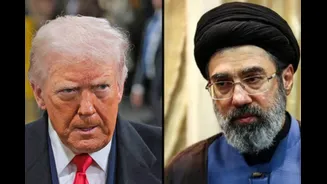
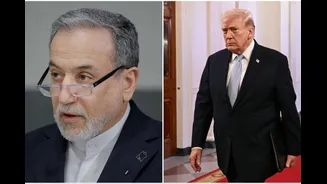
Four weeks into the fighting, peace seems to be on the horizon. The Donald Trump administration has sent a 15-point peace plan to Iran in an attempt to end the war in West Asia.
According to a report by The New York Times (NYT), the proposal was conveyed to Tehran through intermediaries from Pakistan, which has also offered to host negotiations between Washington and Tehran.
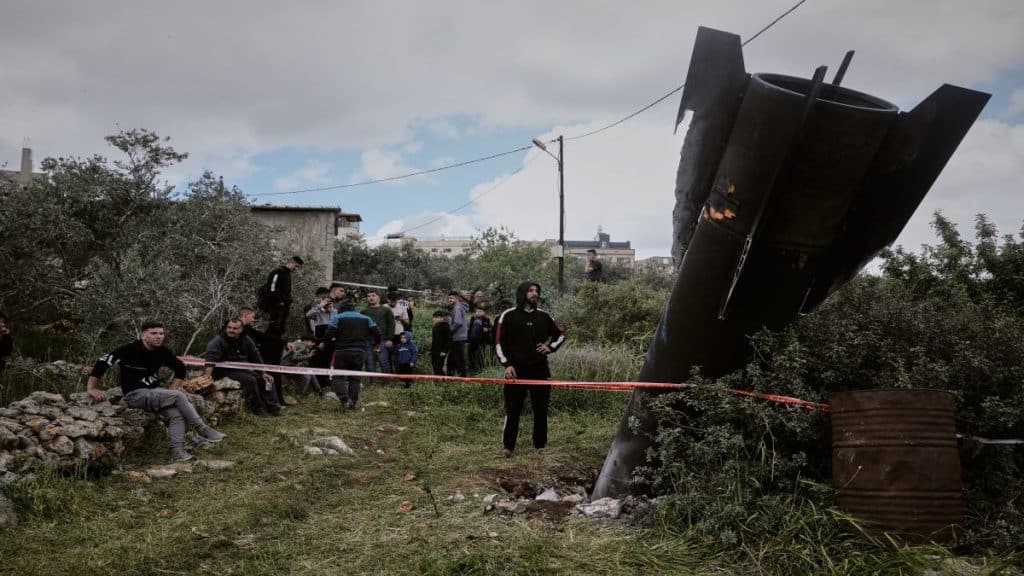
The tentative signs of a diplomatic solution came despite new violence, with an Iranian missile causing injuries in Israel, and drones hitting the Kuwait International Airport, leading to a fire but no casualties.
But what do we know of the 15-point peace plan? More importantly, will Iran accept Trump’s proposal to end the hostilities.
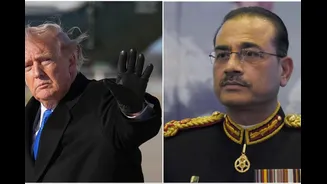
The Trump administration has sent a 15-point peace plan to Iran via Pakistan, reports the New York Times. The report added that Pakistan’s army chief Field Marshal Asim Munir has emerged as the key mediator between the US and Iran — he’s believed to maintain close ties to Iran’s Islamic Revolutionary Guards Corps (IRGC), putting him in a position to pass messages between the warring sides.
While all details of the peace plan haven’t been released, The Guardian has reported that many of the points are based on a proposal put forward by Trump’s negotiating team during nuclear talks almost a year ago.
According to news reports, the United States and Iran would declare a month-long ceasefire during which they would negotiate on the basis of the proposal. Trump’s 15-point plan, as per Israel’s Channel12 report, calls for the end of any uranium enrichment on Iranian soil and the handing over of enriched material, which Israel and the United States say could be developed into a nuclear bomb.
Additionally, Iran’s Natanz, Isfahan and Fordow nuclear facilities must be dismantled. The United Nation’s nuclear watchdog, the International Atomic Energy Agency (IAEA), must also be granted full access to Iran.
The 15-point plan submitted by Trump also calls on Iran to dismantle its “proxy paradigm”. The proposal states that Tehran must cease funding, direction and arming of its regional proxies.
The 15-point plan by Trump also states that Tehran would allow for uninterrupted access to the Strait of Hormuz , the vital water route through which one-fifth of the world’s oil flows.
There are also indications that the US may be seeking some form of acknowledgment of Israel’s right to exist, a longstanding sticking point in any negotiations involving Iran.
In turn, the US would end all of Iran’s sanctions. Tehran would also receive assistance in developing civil nuclear energy at Bushehr, a key site that has been attacked repeatedly during this war. The so-called ‘snapback’ mechanism, which allows for the automatic reimposition of sanctions if Iran fails to comply, would be removed.
Even with the full plan not being revealed, it seems almost unlikely that Iran will accept it. The spokesperson of the Islamic Revolutionary Guard Corps (IRGC)’s Khatam al-Anbiya Central Headquarters warned the United States against presenting developments in the ongoing conflict as a diplomatic breakthrough, stating, “Do not call your defeat an agreement."
Demands related to nuclear rollback, missile restrictions and regional influence would require significant concessions from Iran, which been defiant in the face of strikes. Israeli publication Haaretz reported that Tehran has indicated it will review the offer but has also signalled that certain demands may not be acceptable.
Iran has strongly insisted on the right to enrich uranium, insisting it is for civilian use. It has been the issue that has dogged talks between Iran and the West since the turn of the century. Iran’s Supreme Leader Ayatollah Ali Khamenei, who was killed in US-Israel airstrikes on February 28, has also maintained a defiant stance on the
country’s nuclear programme. He told the US that if any real negotiations were to take place between the two countries, they cannot be predicated on any “foolish” demand that Iran move to zero enrichment of uranium.
There’s also the fact that Iran remains highly suspicious of Trump and his peace plan, owing to Washington shifting its objectives. Iran remains highly suspicious of the US, which, twice under the Trump administration, has attacked during high-level diplomatic talks, including with the February 28 strikes that started the current war.
Furthermore, it’s not clear who in Iran’s government has the authority to negotiate — or would be willing to, as Israel has vowed to continue killing the country’s leaders.
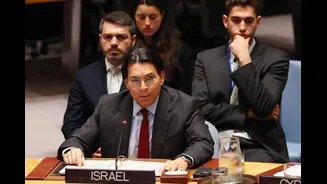
Israeli officials, who have been advocating for Trump to continue the war against Iran, were surprised by the submission of a ceasefire plan, a source has told ABC News.
Israeli Prime Minister Benjamin Netanyahu is also worried that Trump’s peace deal contradicts the country’s objectives for Iran. The Israeli leader has reportedly expressed concern that this deal would limit the Jewish nation’s ability to conduct strikes against the Islamic Republic, two sources told
Axios.
“There is concern that Trump will decide to cut a deal and stop the war even if only some of his demands are met and postpone the rest for later without a clear solution,” said an Israeli source to the US news website.
There’s big speculation that US and Iran officials will meet in Pakistan as soon as Thursday to hash out this 15-point plan. However, there’s no confirmation on this from either side.
However, even as Trump has signalled a willingness to hold talks with Iran, reports are coming in that at least 1,000 troops from the
82nd Airborne Division are being deployed to West Asia in the coming days. The 82nd Airborne is considered the US Army’s emergency response force and can typically be deployed on short notice. It’s the latest addition of American troops after US officials last week said thousands of Marines aboard several navy ships would be heading to the region.
Meanwhile, a White House official described the situation as “fluid”: Trump wants to see if a deal can be struck, but “if not, we will go back to bombing them”.
With inputs from agencies
According to a report by The New York Times (NYT), the proposal was conveyed to Tehran through intermediaries from Pakistan, which has also offered to host negotiations between Washington and Tehran.
The tentative signs of a diplomatic solution came despite new violence, with an Iranian missile causing injuries in Israel, and drones hitting the Kuwait International Airport, leading to a fire but no casualties.
- Catch updates on the Israel-US-Iran war here
But what do we know of the 15-point peace plan? More importantly, will Iran accept Trump’s proposal to end the hostilities.
What’s in Trump’s 15-point plan?
The Trump administration has sent a 15-point peace plan to Iran via Pakistan, reports the New York Times. The report added that Pakistan’s army chief Field Marshal Asim Munir has emerged as the key mediator between the US and Iran — he’s believed to maintain close ties to Iran’s Islamic Revolutionary Guards Corps (IRGC), putting him in a position to pass messages between the warring sides.
While all details of the peace plan haven’t been released, The Guardian has reported that many of the points are based on a proposal put forward by Trump’s negotiating team during nuclear talks almost a year ago.
According to news reports, the United States and Iran would declare a month-long ceasefire during which they would negotiate on the basis of the proposal. Trump’s 15-point plan, as per Israel’s Channel12 report, calls for the end of any uranium enrichment on Iranian soil and the handing over of enriched material, which Israel and the United States say could be developed into a nuclear bomb.
Palestinians gather around the wreckage of an Iranian missile that landed in the West Bank village of Kifl Haris. The proposal of the 15-point plan comes even as countries continue targeting each other amid the war. AP
Additionally, Iran’s Natanz, Isfahan and Fordow nuclear facilities must be dismantled. The United Nation’s nuclear watchdog, the International Atomic Energy Agency (IAEA), must also be granted full access to Iran.
The 15-point plan submitted by Trump also calls on Iran to dismantle its “proxy paradigm”. The proposal states that Tehran must cease funding, direction and arming of its regional proxies.
The 15-point plan by Trump also states that Tehran would allow for uninterrupted access to the Strait of Hormuz , the vital water route through which one-fifth of the world’s oil flows.
There are also indications that the US may be seeking some form of acknowledgment of Israel’s right to exist, a longstanding sticking point in any negotiations involving Iran.
In turn, the US would end all of Iran’s sanctions. Tehran would also receive assistance in developing civil nuclear energy at Bushehr, a key site that has been attacked repeatedly during this war. The so-called ‘snapback’ mechanism, which allows for the automatic reimposition of sanctions if Iran fails to comply, would be removed.
Will Iran accept Trump’s demands?
Even with the full plan not being revealed, it seems almost unlikely that Iran will accept it. The spokesperson of the Islamic Revolutionary Guard Corps (IRGC)’s Khatam al-Anbiya Central Headquarters warned the United States against presenting developments in the ongoing conflict as a diplomatic breakthrough, stating, “Do not call your defeat an agreement."
Demands related to nuclear rollback, missile restrictions and regional influence would require significant concessions from Iran, which been defiant in the face of strikes. Israeli publication Haaretz reported that Tehran has indicated it will review the offer but has also signalled that certain demands may not be acceptable.
Iran has strongly insisted on the right to enrich uranium, insisting it is for civilian use. It has been the issue that has dogged talks between Iran and the West since the turn of the century. Iran’s Supreme Leader Ayatollah Ali Khamenei, who was killed in US-Israel airstrikes on February 28, has also maintained a defiant stance on the
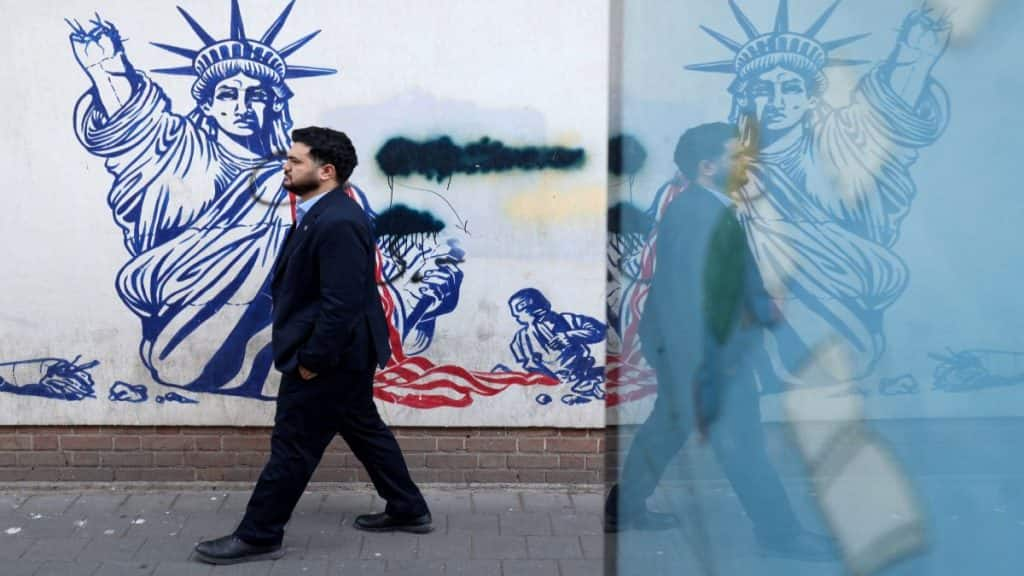
A man walk past a mural depicting the Statue of Liberty with the torch-bearing arm broken, painted on the outer walls of the former US embassy in Tehran. File image/AFP
There’s also the fact that Iran remains highly suspicious of Trump and his peace plan, owing to Washington shifting its objectives. Iran remains highly suspicious of the US, which, twice under the Trump administration, has attacked during high-level diplomatic talks, including with the February 28 strikes that started the current war.
Furthermore, it’s not clear who in Iran’s government has the authority to negotiate — or would be willing to, as Israel has vowed to continue killing the country’s leaders.
What’s Israel’s opinion on the peace plan?
Israeli officials, who have been advocating for Trump to continue the war against Iran, were surprised by the submission of a ceasefire plan, a source has told ABC News.
Israeli Prime Minister Benjamin Netanyahu is also worried that Trump’s peace deal contradicts the country’s objectives for Iran. The Israeli leader has reportedly expressed concern that this deal would limit the Jewish nation’s ability to conduct strikes against the Islamic Republic, two sources told
“There is concern that Trump will decide to cut a deal and stop the war even if only some of his demands are met and postpone the rest for later without a clear solution,” said an Israeli source to the US news website.
What happens next?
There’s big speculation that US and Iran officials will meet in Pakistan as soon as Thursday to hash out this 15-point plan. However, there’s no confirmation on this from either side.
However, even as Trump has signalled a willingness to hold talks with Iran, reports are coming in that at least 1,000 troops from the
Meanwhile, a White House official described the situation as “fluid”: Trump wants to see if a deal can be struck, but “if not, we will go back to bombing them”.
With inputs from agencies