








What is the story about?
Hantavirus is causing global panic and concern. For many, Hantavirus brings back the devastating memory of Covid-19 pandemic that brought the world to a standstill.
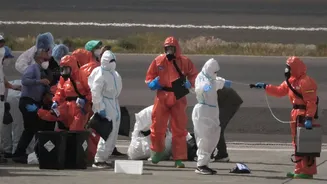
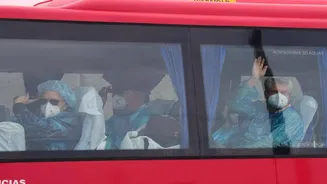
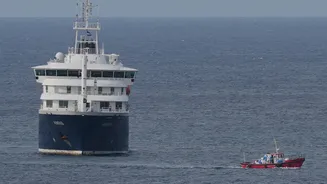
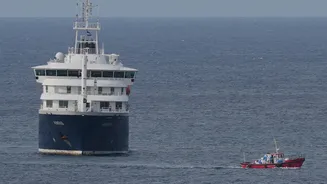
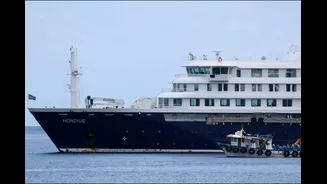
The infection is giving Covid déjà vu since a cruise ship travelling from Argentina to Cape Verde became the epicentre of a hantavirus outbreak. As of now, there have been three confirmed deaths and a few more cases across the world.
Health officials are racing to piece together where and how the outbreak may have started. However, they have not reached a conclusion yet, but the trail has led officials probing the matter to Argentina, from where the MV Hondius departed on April 1.
We take a look.
Humans can contract hantavirus by inhaling air contaminated with virus particles through the urine, droppings, or saliva of infected rodents.
This outbreak is connected to the Andes strain, which is considered endemic in rural parts of South America. It is the only known strain capable of spreading between humans.
Now, where the initial contamination occurred is yet to be ascertained. Investigators are tracing the outbreak in Argentina.
The first individuals to show symptoms were an elderly Dutch couple aboard the cruise ship, and they are among the three fatalities. However, it is not clear yet whether they were the first to contract hantavirus.
Al Jazeera reported, citing local media in Argentina, that the couple had travelled to a landfill site in Ushuaia, a popular tourist spot in southern Argentina’s Patagonia region. They went there in search of a rare bird.
It is speculated that one person from the pair may have been exposed to rodent droppings there. The local health officials in Ushuaia, however, dismissed the possibility. They told reporters that the region has not recorded a hantavirus case since 1996, according to some media reports.
However, some experts said further investigations in the area are required to confirm this. They noted that ecosystems can shift over time and that disease-carrying vectors can move.
Meanwhile, the negative attention on Ushuaia has reportedly affected local businesses, media reports. The city is known as the “gateway to Antarctica." It serves as a major departure point for expedition cruises.
Since the outbreak drew widespread attention, concerns have mounted about its potential impact on tourism.
Netherlands
According to the World Health Organisation (WHO), two Dutch people from the ship died from the virus, and a third has been confirmed to have contracted it. The husband, 70 and his 69-year-old wife were confirmed to be
infected with hantavirus on May 4, AFP
reported.
The third case was reported in the ship's doctor. The doctor tested positive for the Andes strain of the virus on May 6.
Britain
Two British nationals have been confirmed to have contracted the infection, while another has been classed as a “probable” case.
One British man fell ill on April 24 and was airlifted three days later from Ascension Island in the Atlantic to South Africa for medical care.
A second British national, who was working as a guide aboard the ship, started showing symptoms on April 27 and then tested positive on May 6.
The third British man disembarked from the Hondius on April 14 at the South Atlantic archipelago of Tristan da Cunha, and was treated in isolation there.
Germany
A woman from Germany had a fever on April 28; she then developed pneumonia and passed away on May 2 on board the ship.
Testing of the post-mortem sample sent to the Netherlands confirmed infection with the Andes virus, the report noted.
Switzerland
A Swiss man disembarked from the Hondius in St Helena on April 22. He began showing symptoms on May 1 after arrival in Switzerland. He was treated in isolation, and on May 5, he tested
positive for the Andes virus.
France
According to France's Health Minister, Stephanie Rist, a French woman who had been repatriated from Honduras began feeling unwell late on May 10 and tested positive for hantavirus, the news outlet reported.
United States
The US Department of Health and Human Services asserted on May 10 that one of the 17 American citizens repatriated from the ship tested "mildly positive PCR" for the virus, while another experienced mild symptoms.
With inputs from agencies
The infection is giving Covid déjà vu since a cruise ship travelling from Argentina to Cape Verde became the epicentre of a hantavirus outbreak. As of now, there have been three confirmed deaths and a few more cases across the world.
Health officials are racing to piece together where and how the outbreak may have started. However, they have not reached a conclusion yet, but the trail has led officials probing the matter to Argentina, from where the MV Hondius departed on April 1.
We take a look.
Tracing the origin
Humans can contract hantavirus by inhaling air contaminated with virus particles through the urine, droppings, or saliva of infected rodents.
This outbreak is connected to the Andes strain, which is considered endemic in rural parts of South America. It is the only known strain capable of spreading between humans.
Now, where the initial contamination occurred is yet to be ascertained. Investigators are tracing the outbreak in Argentina.
The first individuals to show symptoms were an elderly Dutch couple aboard the cruise ship, and they are among the three fatalities. However, it is not clear yet whether they were the first to contract hantavirus.
Al Jazeera reported, citing local media in Argentina, that the couple had travelled to a landfill site in Ushuaia, a popular tourist spot in southern Argentina’s Patagonia region. They went there in search of a rare bird.
It is speculated that one person from the pair may have been exposed to rodent droppings there. The local health officials in Ushuaia, however, dismissed the possibility. They told reporters that the region has not recorded a hantavirus case since 1996, according to some media reports.
However, some experts said further investigations in the area are required to confirm this. They noted that ecosystems can shift over time and that disease-carrying vectors can move.
Meanwhile, the negative attention on Ushuaia has reportedly affected local businesses, media reports. The city is known as the “gateway to Antarctica." It serves as a major departure point for expedition cruises.
Since the outbreak drew widespread attention, concerns have mounted about its potential impact on tourism.
How far has it spread
Netherlands
According to the World Health Organisation (WHO), two Dutch people from the ship died from the virus, and a third has been confirmed to have contracted it. The husband, 70 and his 69-year-old wife were confirmed to be
The third case was reported in the ship's doctor. The doctor tested positive for the Andes strain of the virus on May 6.
Britain
Two British nationals have been confirmed to have contracted the infection, while another has been classed as a “probable” case.
One British man fell ill on April 24 and was airlifted three days later from Ascension Island in the Atlantic to South Africa for medical care.
A second British national, who was working as a guide aboard the ship, started showing symptoms on April 27 and then tested positive on May 6.
The third British man disembarked from the Hondius on April 14 at the South Atlantic archipelago of Tristan da Cunha, and was treated in isolation there.
Germany
A woman from Germany had a fever on April 28; she then developed pneumonia and passed away on May 2 on board the ship.
Testing of the post-mortem sample sent to the Netherlands confirmed infection with the Andes virus, the report noted.
Switzerland
A Swiss man disembarked from the Hondius in St Helena on April 22. He began showing symptoms on May 1 after arrival in Switzerland. He was treated in isolation, and on May 5, he tested
France
According to France's Health Minister, Stephanie Rist, a French woman who had been repatriated from Honduras began feeling unwell late on May 10 and tested positive for hantavirus, the news outlet reported.
United States
The US Department of Health and Human Services asserted on May 10 that one of the 17 American citizens repatriated from the ship tested "mildly positive PCR" for the virus, while another experienced mild symptoms.
With inputs from agencies