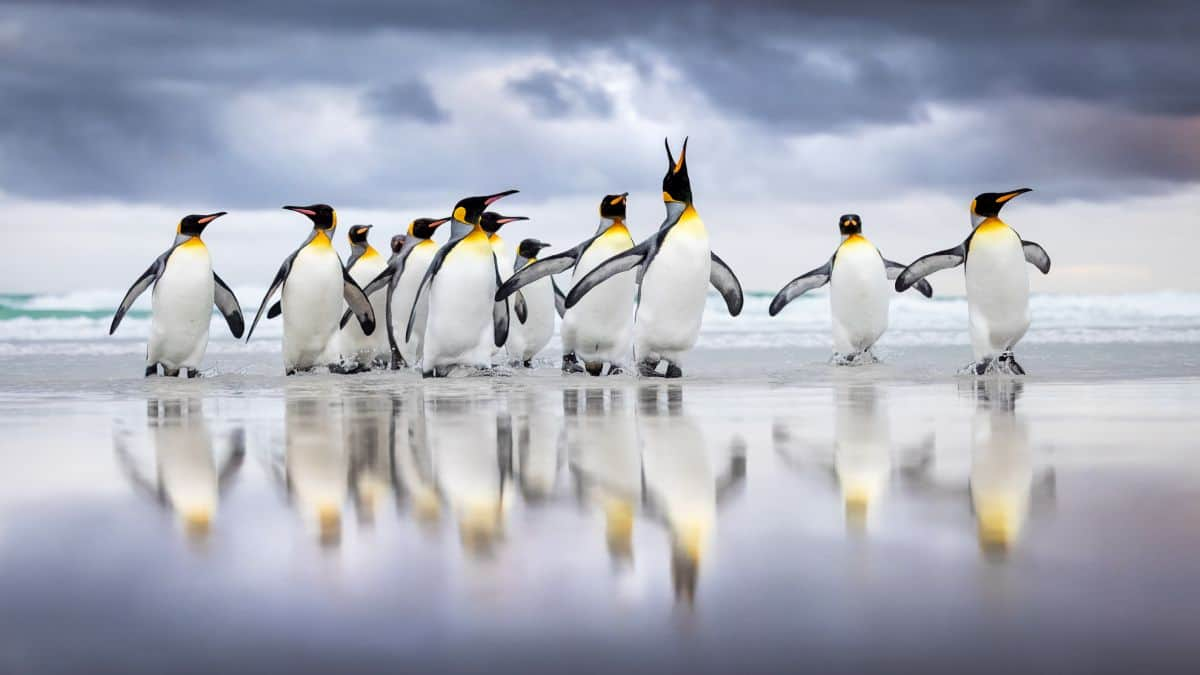

A new decade‑long study has revealed that penguins in Antarctica are breeding much earlier than in the past. This is a dramatic behavioural shift that scientists believe is linked to climate change and could have far‑reaching consequences for the fragile ecosystem.
Researchers from Penguin Watch, a collaboration between the University of Oxford and Oxford Brookes University, analysed data from 77 time‑lapse cameras placed at 37 penguin colonies across Antarctica and sub‑Antarctic islands between 2012 and 2022. The study, published in the Journal of Animal Ecology, shows that three species—Adélie, chinstrap and gentoo penguins—are now beginning their breeding season significantly earlier than they used to.
Gentoo penguins led the trend, with breeding activity starting up to 24 days earlier in some colonies and an average advance of 13 days. “We are very concerned because these penguins are advancing their season so much, and penguins are now breeding earlier than in any known records,” said lead author Dr Ignacio Juarez Martínez, as quoted by the Guardian.
Adélie and chinstrap penguins also moved their breeding forward by about 10 days on average. The rapid shift is believed to be a response to earlier ice melt, warmer temperatures and other environmental cues associated with climate change.
Also read | Explained in Graphics: What happens if humanity missed the 1.5°C climate target
Why earlier breeding matters
While breeding earlier might initially seem adaptive, scientists warn it could actually disrupt penguin survival. The timing of breeding has traditionally matched peak availability of key food sources like krill and other prey. If chicks hatch before these food supplies are abundant, they may face severe shortages.
“The changes are happening so fast that the penguins could end up breeding at times when their prey is not available yet. This could result in a lack of food for the penguin chicks in the first weeks of their life, which could be fatal,” Martínez added. “Even if the penguins could match their prey's behaviour, we can’t expect them to keep this pace up much longer.”
Winners, losers and ecosystem impact
The shift also threatens to increase competition between species.
Gentoo penguins—more adaptable in their diet—may benefit from changing conditions, while Adélie and chinstrap populations struggle. Such imbalances could alter community dynamics and push some species toward decline.
Penguins play a critical role in Antarctic food webs, transporting nutrients from the ocean to land and supporting broader ecological processes.