
However, most of us do not give the cup a second thought, only tossing it in the trash once done with the beverage itself. But it may be time for us to consider the implications of constantly using a to-go cup that is mostly made of paper or plastic.
That’s because a study published in the Journal of Hazardous Materials: Plastics has found that there is a high chance that tiny plastics from the lining of the cup is mixing with the drink, resulting in people consuming thousands of microplastics. The study also shows that heat significantly increases the release of microplastics from the cups.
What did the study say on microplastics?
A study, titled Release of microplastics from commonly used plastic containers: Combined meta-analysis and case study, found that heat increases the release of microplastics from the commonly used cups into the beverage.
Researchers analysed data from 30 studies covering 237 observations, looking at how common plastics such as polyethylene and polypropylene behave under different conditions. According to The Conversation, the reported release from the cup ranged from a few hundred particles to more than eight million particles per litre, depending on the material and study design.
To ensure real-world relevance, the researchers tested 400 commonly used coffee cups sourced from cafes in Brisbane, Australia. Two types of plastic cups were studied, namely all-plastic polyethylene cups and paper cups lined with polyethylene. Researchers tested each cup with cold liquid at 5 degrees Celsius and hot liquid at 60 degrees Celsius.
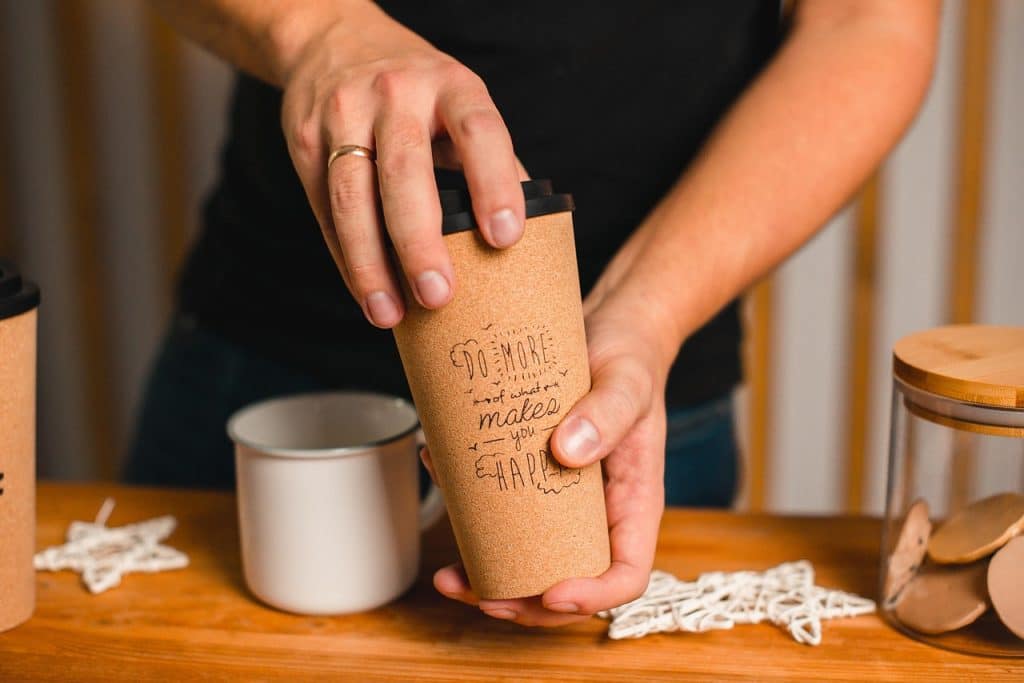
Paper cups with plastic linings consistently shed fewer microplastics than fully plastic cups. Image courtesy: Pixabay
Following this, the study concluded that temperature and material were the most important factors. Paper cups with plastic linings consistently shed fewer microplastics than fully plastic cups.
Temperature played a key role as well. A rise in temperature from cold to hot resulted in an approximate 33 per cent increase in microplastic release from all-plastic cups.
The analysis suggests that having one 300-ml hot coffee a day from an all-plastic cup could add up to about 363,000 microplastic particles ingested in a year. Paper cups with plastic linings released fewer particles, though the study did not state the exact quantity.
What are microplastics? How dangerous are they?
Microplastics are small fragments of plastic ranging from about one to five millimetres in size, roughly from a speck of dust to the size of a sesame seed. These particles form either when bigger plastic products break apart or when plastics shed fragments during normal, everyday use.
These particles have been found in the environment, food, water, and even in the human body, including blood and organs. Currently, there is no conclusive evidence on just how much microplastic remains in our bodies.
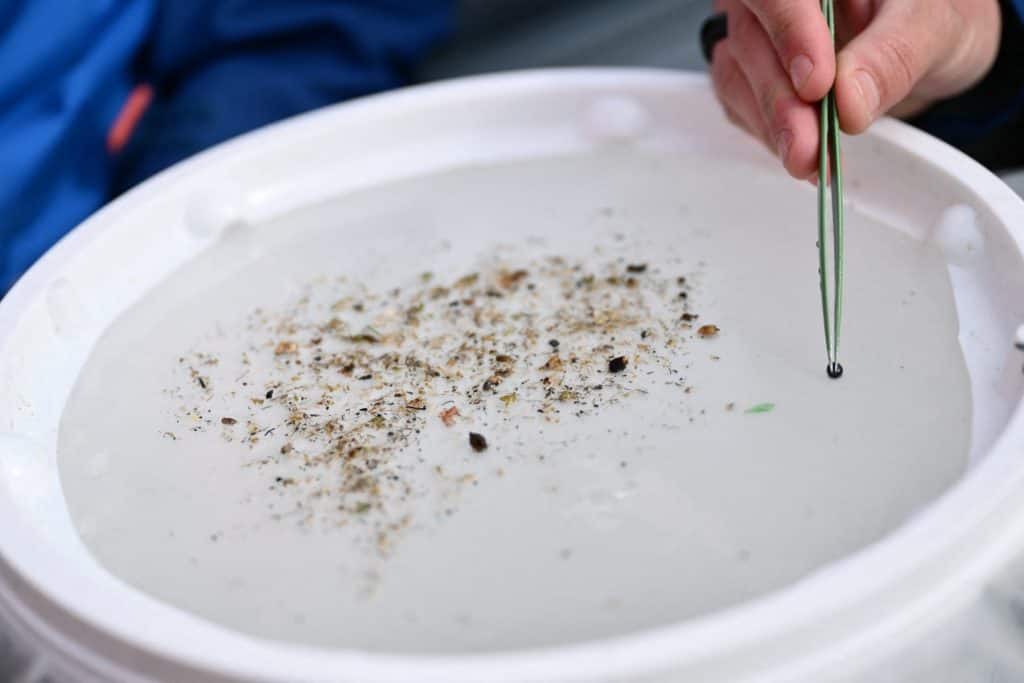
Microplastics are found in the environment, food, water, and even in the human body. File image/AFP
Also, there is little to no information on how microplastics affect the body in the long term. Some of the ways microplastics affect the body are inflammation, oxidative stress, and cellular damage in laboratory studies. However, more research needs to take place on the subject, which is precisely why researchers are paying closer attention to everyday sources of exposure.
How to remain safe from microplastics?
The study has brought to light the growing risks of using takeaway cups. But, this does not mean you should give up the habit of your favourite coffee. It simply means to swap the cup with something more sustainable, like steel or glass.
For hot drinks, using reusable cups made of materials like stainless steel, ceramic, or glass is best advised, as these do not shed microplastics. And if one has to use a disposable cup, the study found that using paper cups with plastic linings is better than using plastic cups.
Another thing that may help is letting the barista know to cool off your coffee slightly before pouring it into the cup. This can reduce the physical stress on the plastic lining and lower the overall exposure.
With inputs from agencies