
Denmark and Greenland, the parties involved, are yet unaware of what transpired between Trump and Rutte. It is possible that there would be future discussions between the US and concerned nations on Greenland. Trump continues to rant and rave at his allies, accusing them of acting against US interests.
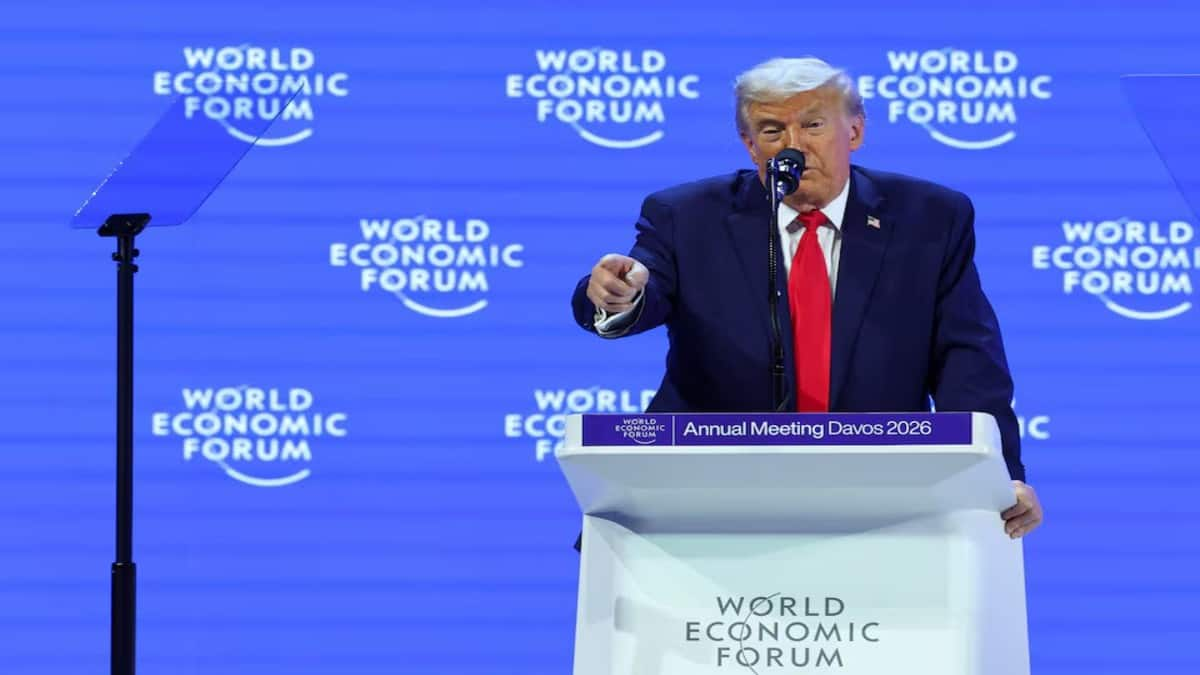
At Davos, Trump was at his insulting best, largely at those who believe they are close to him. He mocked Europe for its renewable energy policies, claiming China was selling windmills to ‘stupid people in Europe’. He added that European countries are ‘destroying themselves’. He belittled Switzerland, as it was ‘only good because of us [the US]’. He also mocked French President Emmanuel Macron’s ‘beautiful sunglasses’ and also issued threats of tariffs to Canada. His ultimate comment was on US military and economic power: ‘Without us, most of the countries don’t even work.’
Bullying and pushing his way have been Trump’s methodology all through his tenure. On trade imbalances, he imposes high tariffs, forcing leaders to run to Washington to assuage his ego. Heads of state from Europe, Japan, Southeast Asia and others met Trump to gain reprieve from his tariffs. Not much happened. Ultimately trade deals were inked on Trump’s terms, many yet to be implemented. That still did not end additional tariff threats. Trump believes that tariffs are the best means of subjugating nations.
Even his peace deals have a measure of bullying. Ukrainian President Volodymyr Zelenskyy has been insulted in the White House and threatened with cutting off all support, compelling him to bend. Adverse comments on his non-holding of elections have flowed regularly.
Zelenskyy tried to get into Trump’s good books by publicly rebuking Europe and praising Trump in Davos, but to no avail. He termed Europe as a ‘beautiful but fragmented kaleidoscope of small and middle powers’, while claiming Trump is needed as ‘no security guarantees work without the US’. Interestingly, it was Europe which backed him more than Trump. He has been forced into talks with Russia.
Israel had to swallow Trump’s choice of nations in his Board of Peace (BoP) and also to accept the participation of countries in Gaza as determined by Trump. Netanyahu’s objections have been ignored. Trump announces, at least once a week, that he has stopped eight wars, whereas, in reality, all are either ongoing or had concluded well before. Almost no one is concerned about his claims, least of all Norway, which manages the Nobel award.
Europe, which remains militarily as well as economically dependent on the US, has been facing the brunt of his anger. As he was departing Davos, he threatened Europe with retaliation if it dumped US Treasury bonds to pressure Washington. This was Europe’s ultimate weapon. Trump warned, ‘If that would happen, there would be a big retaliation on our part, and we have all the cards.’ What could be expected was explained by Mark Rutte, who mentioned, ‘If anyone thinks that the EU, or Europe as a whole, can defend itself without the US — keep on dreaming. You can’t.’
There is no doubt that the US currently possesses the most powerful economy and military; hence, it possesses the ability to influence the globe. Previous US presidents projected their military power in regions based on their perceptions, leaving a mess. However, these actions were taken alongside their allies in Europe. It was this approach which bound Europe and the US.
With the passage of a year, the world has become used to Trump’s tantrums. His attempt to push through the Board of Peace (BoP) has met with limited success. Nineteen inconsequential nations have signed up. The ones who matter, Europe, India, China, etc, have maintained a distance. Flaws in the BoP are well known.
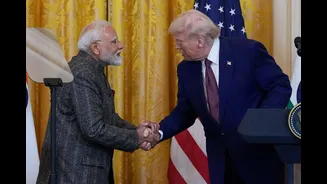
Nations have also learnt to adjust to Trump’s theatrics. India has ignored Trump’s comments and accepted his tariffs while seeking alternate markets with free trade agreements. Prime Minister Narendra Modi refused to rush to Washington or bow to Trump. New Delhi has maintained silence on hundreds of Trump’s announcements of having stopped Operation Sindoor as well as of reducing procurement of Russian oil. It has also not endorsed his name for a Nobel award, as Pakistan has done. India, unlike China, lacks a lever to counter Trump and hence faces the brunt.
China is exploiting its control over rare earth minerals as a bargaining chip to push back against the US. Trump has been coerced into avoiding sanctioning China for procuring Russian oil. Post his meeting with Chinese President Xi Jinping in October, Trump mentioned that they did not discuss oil, adding, ‘He [Xi] has been buying oil from Russia for a long time. It takes care of a big part of China.’
Nations like Pakistan have adopted a different approach. Islamabad is cosying up to Trump, massaging his ego, inking deals with his family-dominated companies, participating in the BoP, nominating him for the Nobel Peace Prize and also declaring its willingness to participate in Gaza.
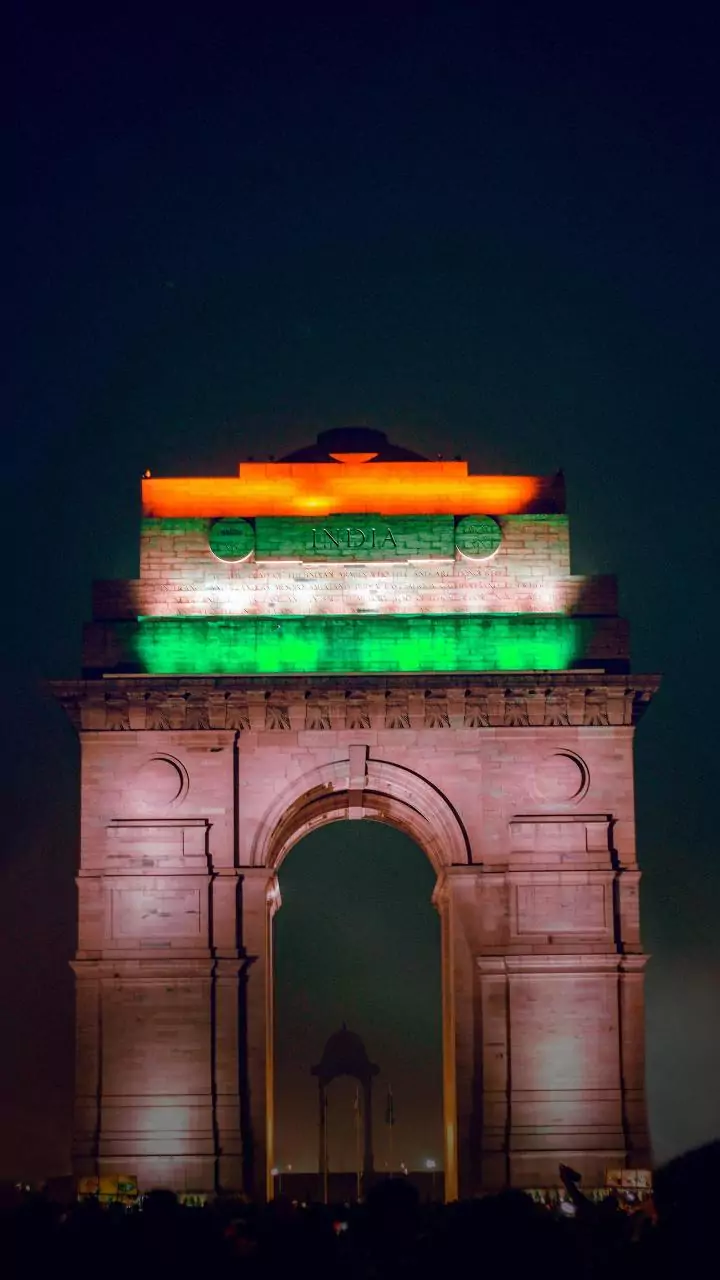
Many have realised that the US can never be a trusted ally. Hence, they have begun seeking alternatives to trade so as to offset US threats and tariffs. Countries in demand are India and China. The reason: large markets, a growing economy, a secure environment, an autonomous foreign policy and refusal to kneel before Trump. Global leaders are flocking to New Delhi and Beijing, inking trade deals favourable to both sides.
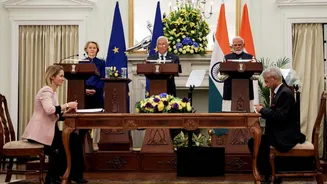
In India’s case, while its trade agreement with the US faces stumbling blocks, those with other nations are moving. These are being negatively looked upon by Trump’s advisors. On the recent India-EU trade agreement, US Treasury Secretary Scott Bessent mentioned, ‘We have put 25 per cent tariffs on India for buying Russian oil. Guess what happened last week? The Europeans signed a trade deal with India.’
The world will move beyond the US, and Trump would be solely responsible. Trump has failed to realise that despite all its power, there are alternatives available to those who seek them.
(The author is a former Indian Army officer, strategic analyst and columnist. Views expressed in the above piece are personal and solely those of the author. They do not necessarily reflect Firstpost’s views.)