






What is the story about?
For years, artificial intelligence has been trained to think, calculate, and respond. Now, it is being taught something far more complex, how to feel, or at least convincingly pretend to.
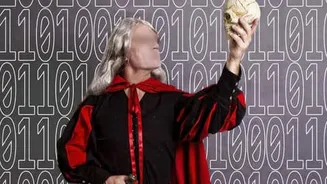
In a sign of how rapidly the industry is evolving, Handshake AI is recruiting actors, improvisers, and performers to help train AI systems in emotional expression. The job is not about reading scripts or recording fixed lines. Instead, it asks participants to create spontaneous, unscripted conversations that feel as natural and human as possible.
The aim is to make AI interactions less robotic and more relatable. But it also raises deeper questions about where the line between human and machine behaviour may blur.
According to the job listing, candidates are expected to improvise scenes, switch between emotions, and deliver dialogues that reflect genuine human reactions. The ability to convey subtle emotional shifts, from excitement to frustration, is considered a key requirement.
The work is conducted through online sessions, with performers earning around $75 per hour. While the company does not explicitly state how the recordings will be used, the implication is that they will serve as training material for advanced AI systems.
These datasets could help improve how conversational AI models interpret tone, context, and intent. In practical terms, that means future AI assistants may be better equipped to understand not just what users say, but how they say it.
Handshake AI positions itself as a bridge between skilled professionals and leading AI developers. Reports suggest that companies like OpenAI may be among those indirectly benefiting from such data pipelines, though specific partnerships are not always disclosed.
This approach is part of a broader trend. Platforms such as Scale AI and Mercor have long relied on human input to refine machine learning systems. What stands out in this case is the explicit focus on performance and improvisation as core skills.
The push towards emotionally intelligent AI reflects a wider shift in the industry. As language models become more advanced, the next challenge is making interactions feel intuitive and human-like.
Training AI on unscripted, emotionally rich conversations could help bridge that gap. It may enable systems to respond with empathy, adjust tone dynamically, and navigate complex social cues. For users, this could translate into more natural and engaging experiences across chatbots, virtual assistants, and digital interfaces.
However, the approach is not without controversy.
Some critics argue that such work could ultimately undermine the very professions it relies on. By training AI systems to replicate human interaction, actors and performers may be contributing to tools that could one day replace parts of their own industry.
There are also concerns about working conditions in the growing AI training ecosystem. Reports around platforms like Mercor have highlighted issues such as inconsistent work availability and declining pay rates. Handshake AI, too, has faced allegations of delayed payments in certain cases.
Beyond labour concerns, there is a more philosophical question at play: can emotions truly be encoded into machines, or are they simply being simulated?
For now, AI is learning to mimic feelings through patterns and data. Whether that evolves into something deeper, or remains a convincing illusion, will define the next chapter of artificial intelligence.
In a sign of how rapidly the industry is evolving, Handshake AI is recruiting actors, improvisers, and performers to help train AI systems in emotional expression. The job is not about reading scripts or recording fixed lines. Instead, it asks participants to create spontaneous, unscripted conversations that feel as natural and human as possible.
The aim is to make AI interactions less robotic and more relatable. But it also raises deeper questions about where the line between human and machine behaviour may blur.
Why AI companies are hiring actors and performers
According to the job listing, candidates are expected to improvise scenes, switch between emotions, and deliver dialogues that reflect genuine human reactions. The ability to convey subtle emotional shifts, from excitement to frustration, is considered a key requirement.
The work is conducted through online sessions, with performers earning around $75 per hour. While the company does not explicitly state how the recordings will be used, the implication is that they will serve as training material for advanced AI systems.
These datasets could help improve how conversational AI models interpret tone, context, and intent. In practical terms, that means future AI assistants may be better equipped to understand not just what users say, but how they say it.
Handshake AI positions itself as a bridge between skilled professionals and leading AI developers. Reports suggest that companies like OpenAI may be among those indirectly benefiting from such data pipelines, though specific partnerships are not always disclosed.
This approach is part of a broader trend. Platforms such as Scale AI and Mercor have long relied on human input to refine machine learning systems. What stands out in this case is the explicit focus on performance and improvisation as core skills.
The promise and paradox of teaching machines emotions
The push towards emotionally intelligent AI reflects a wider shift in the industry. As language models become more advanced, the next challenge is making interactions feel intuitive and human-like.
Training AI on unscripted, emotionally rich conversations could help bridge that gap. It may enable systems to respond with empathy, adjust tone dynamically, and navigate complex social cues. For users, this could translate into more natural and engaging experiences across chatbots, virtual assistants, and digital interfaces.
However, the approach is not without controversy.
Some critics argue that such work could ultimately undermine the very professions it relies on. By training AI systems to replicate human interaction, actors and performers may be contributing to tools that could one day replace parts of their own industry.
There are also concerns about working conditions in the growing AI training ecosystem. Reports around platforms like Mercor have highlighted issues such as inconsistent work availability and declining pay rates. Handshake AI, too, has faced allegations of delayed payments in certain cases.
Beyond labour concerns, there is a more philosophical question at play: can emotions truly be encoded into machines, or are they simply being simulated?
For now, AI is learning to mimic feelings through patterns and data. Whether that evolves into something deeper, or remains a convincing illusion, will define the next chapter of artificial intelligence.