




What is the story about?
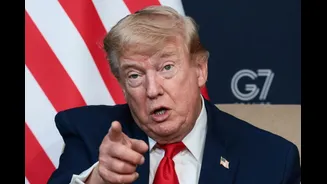
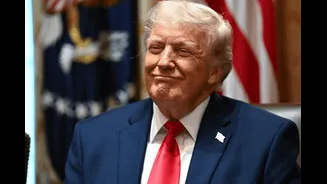
Participating in the G7 Summit in France, US President Donald Trump spoke on a range of geopolitical issues, including Iran, Israel, the Strait of Hormuz and the ongoing Russia-Ukraine war.
Trump spoke extensively about Iran, stressing that the United States would not invest any money in the West Asian country.
His remarks came after the virtual signing of a draft peace framework between Washington and Tehran, under which the two sides are expected to continue negotiations on key issues, including Iran's nuclear programme.
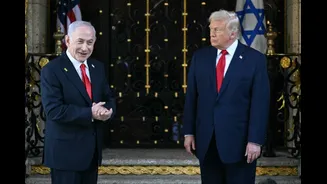
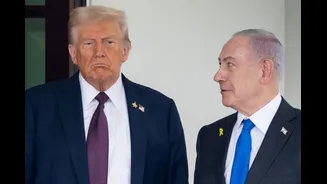
On the sidelines of the summit, Trump also expressed frustration with Israeli Prime Minister Benjamin Netanyahu , saying he was not "satisfied" with him. He went a step further and suggested that Syria may be better positioned than Israel to manage relations with Hezbollah because it maintains stronger channels of communication with the militant group.
Meanwhile, commenting on the Russia-Ukraine conflict, Trump renewed his call for peace and said that "Russia should make a deal" to end the war after meeting Ukrainian President Volodymyr Zelenskyy.
Trump said he does not support efforts to impose regime change in Iran, arguing that such attempts have repeatedly failed in different parts of the world.
"I don't believe in regime change. I've watched regime changes for years, and they never work," Trump said, adding that political transformation "has to just happen" rather than being imposed from outside.
However, he suggested that a degree of regime change had already taken place in Iran, pointing to the elimination of a significant portion of the country's senior leadership.
The US president also said the next round of negotiations with Iran would be "easier" than the first phase, which resulted in the peace framework.
The upcoming stage of talks is expected to focus on technical aspects of Iran's nuclear programme and potential financial relief measures for Tehran. Trump also reiterated that the US would not be "investing any money in Iran."
Addressing concerns about the possibility of Iran imposing tolls on vessels passing through the Strait of Hormuz, Trump said the waterway would remain open and free for commercial transit.
"The Strait is going to be open toll-free. And it's toll-free beyond the 60 days," he said, while praising the US Navy's role during the recent crisis.
The closure of the Strait of Hormuz by Iran and the US naval blockade of Iranian ports had created a major disruption in the region. Several commercial vessels were reportedly targeted during the confrontation, resulting in civilian casualties and significant disruptions to global shipping.
Trump also voiced frustration with Netanyahu, saying the Israeli leader should have been able to achieve his objectives more quickly.
He argued that Israel's ongoing offensive against Hezbollah had resulted in large civilian casualties and had also cast a negative shadow over his diplomatic breakthrough with Iran.
His remarks came days after Israel stated that the US-Iran peace framework placed no restrictions on its military operations and that it would continue its campaign against Hezbollah.
Turning to Ukraine, Trump once again called for an end to the nearly four-year-old war, urging Russia to reach a peace agreement with Kyiv.
Trump said he remained committed to helping bring the conflict to a close after what he described as a "very good" meeting with Zelenskyy and other world leaders at the G7 Summit.
"Look, Russia should make a deal," Trump said. "I settled eight wars. This was the one I thought was going to be the easiest to settle."
Trump spoke extensively about Iran, stressing that the United States would not invest any money in the West Asian country.
His remarks came after the virtual signing of a draft peace framework between Washington and Tehran, under which the two sides are expected to continue negotiations on key issues, including Iran's nuclear programme.
On the sidelines of the summit, Trump also expressed frustration with Israeli Prime Minister Benjamin Netanyahu , saying he was not "satisfied" with him. He went a step further and suggested that Syria may be better positioned than Israel to manage relations with Hezbollah because it maintains stronger channels of communication with the militant group.
Meanwhile, commenting on the Russia-Ukraine conflict, Trump renewed his call for peace and said that "Russia should make a deal" to end the war after meeting Ukrainian President Volodymyr Zelenskyy.
'Regime change in Iran'
Trump said he does not support efforts to impose regime change in Iran, arguing that such attempts have repeatedly failed in different parts of the world.
"I don't believe in regime change. I've watched regime changes for years, and they never work," Trump said, adding that political transformation "has to just happen" rather than being imposed from outside.
However, he suggested that a degree of regime change had already taken place in Iran, pointing to the elimination of a significant portion of the country's senior leadership.
The US president also said the next round of negotiations with Iran would be "easier" than the first phase, which resulted in the peace framework.
The upcoming stage of talks is expected to focus on technical aspects of Iran's nuclear programme and potential financial relief measures for Tehran. Trump also reiterated that the US would not be "investing any money in Iran."
'Strait of Hormuz to be toll-free'
Addressing concerns about the possibility of Iran imposing tolls on vessels passing through the Strait of Hormuz, Trump said the waterway would remain open and free for commercial transit.
"The Strait is going to be open toll-free. And it's toll-free beyond the 60 days," he said, while praising the US Navy's role during the recent crisis.
The closure of the Strait of Hormuz by Iran and the US naval blockade of Iranian ports had created a major disruption in the region. Several commercial vessels were reportedly targeted during the confrontation, resulting in civilian casualties and significant disruptions to global shipping.
'Not satisfied with Netanyahu'
Trump also voiced frustration with Netanyahu, saying the Israeli leader should have been able to achieve his objectives more quickly.
He argued that Israel's ongoing offensive against Hezbollah had resulted in large civilian casualties and had also cast a negative shadow over his diplomatic breakthrough with Iran.
His remarks came days after Israel stated that the US-Iran peace framework placed no restrictions on its military operations and that it would continue its campaign against Hezbollah.
'Make a deal'
Turning to Ukraine, Trump once again called for an end to the nearly four-year-old war, urging Russia to reach a peace agreement with Kyiv.
Trump said he remained committed to helping bring the conflict to a close after what he described as a "very good" meeting with Zelenskyy and other world leaders at the G7 Summit.
"Look, Russia should make a deal," Trump said. "I settled eight wars. This was the one I thought was going to be the easiest to settle."