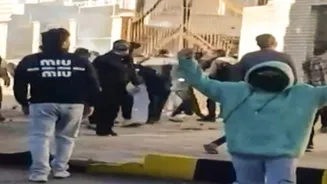

The protests began on December 28 with a shopkeepers’ strike in Tehran. Since then, at least 12 people, including members of the security forces, have been killed, based on a toll compiled from official reports.
Demonstrations reported in multiple cities
Overnight protests were reported in Tehran, Shiraz in the south, and parts of western Iran, where the movement has been most active. Demonstrators were heard chanting slogans critical of the Islamic republic’s clerical leadership, according to the US-based Human Rights Activists News Agency (HRANA).
The demonstrations mark the most significant unrest since the 2022–2023 protests sparked by the death in custody of Mahsa Amini, who had been detained for allegedly violating Iran’s dress code for women.
Pressure mounts on leadership
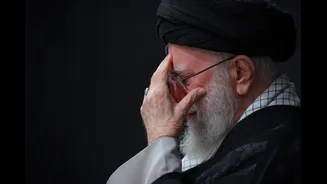
The current protests are largely concentrated in western regions with sizeable Kurdish and Lor populations. While they have not yet reached the scale of the 2022–2023 movement or the mass demonstrations following the disputed 2009 presidential election, they pose a fresh challenge for Supreme Leader Ayatollah Ali Khamenei, 86, who has been in power since 1989.
The unrest comes weeks after a 12-day war with Israel in June, during which Iran’s nuclear infrastructure was damaged and senior members of the security establishment were killed.
Government announces financial relief
With economic pressure fuelling anger, government spokeswoman Fatemeh Mohajerani told state television on Sunday that citizens would receive a monthly allowance equivalent to $7 for the next four months.
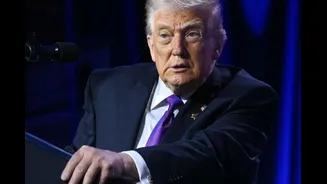
Meanwhile, US President Donald Trump warned that Iran would face consequences if further deaths occur.
“We’re watching it very closely. If they start killing people like they have in the past, I think they’re going to get hit very hard by the United States,” Trump told reporters aboard Air Force One, a day after the American operation to capture Venezuelan President Nicolas Maduro.
Deadly clashes in western provinces
Protests have taken place in 23 of Iran’s 31 provinces and in at least 40 cities, mostly small and medium-sized, according to an AFP tally based on official statements and media reports.
The Norway-based Hengaw rights group said Revolutionary Guards opened fire on protesters in Malekshahi county in western Ilam province on Saturday, killing four members of Iran’s Kurdish minority. The group said it was verifying reports of two additional deaths and reported dozens of injuries.
Hengaw also accused authorities of raiding Ilam’s main hospital to seize the bodies of protesters.
The Iran Human Rights organisation, also based in Norway, reported the same toll of four deaths and said 30 people were wounded after “security forces attacked the protests” in Malekshahi. It said funerals were held on Sunday, with mourners chanting slogans against the government and Khamenei.
Both organisations shared videos showing bloodied bodies on the ground, footage that AFP said it had verified.
Iranian media reported that a member of the security forces was killed during a clash with “rioters” who attempted to storm a police office, adding that “two assailants” were also killed.
In Tehran, sporadic protests were reported on Saturday night in eastern, western and southern districts, according to the Fars news agency.
On Sunday, most shops in the capital were open, though streets were quieter than usual. Riot police and security forces were deployed at major intersections, AFP observed.
Images verified by AFP showed security forces using tear gas to disperse protesters gathered in central Tehran.
HRANA said at least 582 people have been arrested over the past week. Hengaw said almost all of those killed belonged to ethnic minorities, mainly Kurds and Lors.
Outside Iran, several hundred people attended two rallies in Paris on Sunday in support of the protesters. Similar demonstrations were held in London a day earlier, AFP correspondents reported.