
Question arises?
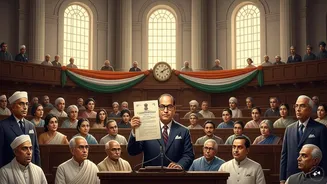
In that moment, a conversation would begin between today’s Indians and the Constitution’s makers about power and freedom, unity and dissent, promises kept and promises still waiting to be honoured.
With the woven dreams of Ambedkar, who did not see the structural differences and drafted the constitution keeping in mind only the untouchables. Nehru, who thought that Pakistan can be friends and every terror act occurred because of the poor down-trodden state.
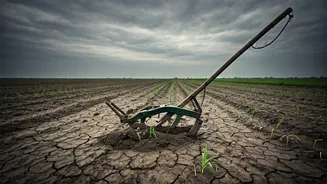
How polarisation has fractured the new India, how social media has distanced one from another and amplified hate over harmony. Economic chasms widen-farmers protest, youth chase gig dreams amid unemployment.
Article 14 still stand erect?
Yet the problem of gender equality persists. Article 14 of the Constitution stands as a promise of equality before the law, even as women continue to face brutal violence, sexual assault, and killings that expose the deep gap between constitutional ideals and lived reality.
Article 19 guarantees the freedom of speech and expression, yet its spirit often appears diminished. Across the country, people have been detained for marching, holding rallies, or refusing to withdraw their words, raising questions about how freely dissent can be exercised within the bounds of the Republic.
Right to privacy?
And the civic soul? It feels strained, shaped by constant incitement and counter-incitement. And technology? Artificial intelligence now permeates everything, reshaping factories, patrolling borders through drones, and flooding daily life with data, relentless as the Ganga.
The right to privacy feels increasingly fragile. Surveillance has become pervasive, reaching into workplaces and personal devices alike, leaving citizens unsure whether their data or even their private thoughts remain secure. In this climate, fundamental rights appear stretched to their limits.
Rampant corruption, dynasties mock democracy, women continue to battle the patriarchy. Republic Day parade is still organised with full preparation but gender inequality still lingers.
Can we once rise unified and just?
Can the Constitution be once again amended?
Yet India has also gained global recognition. From Brics to the World Economic Forum, the country has asserted its place on the world stage, projecting unity, confidence, and ambition. Even so, this global stature cannot come at the cost of unresolved local realities, which continue to demand attention at home.
But a modern citizen might ask: can a nation celebrated abroad afford to ignore the fractures within? And can the Republic truly stand tall unless its promises are kept at home first?