








What is the story about?
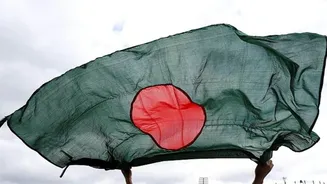
The lawmakers in Bangladesh are all set to vote for a new President of the country for the first time in 35 years. In the presidential election, scheduled to take place on Thursday, the parliament will vote between ruling Bangladesh Nationalist Party stalwart Mirza Fakhrul Islam Alamgir and 11-party opposition alliance candidate Colonel (retd) Oli Ahmed.
According to Bangladeshi news outlet The Daily Star, voting will take place in the country's parliament from 2:00 pm to 5:00 pm local time, as set by the Election Commission. The historic polls are coming after Mohammed Shahabuddin, a close aide of deposed prime minister Sheikh Hasina, resigned last month on health grounds. Shahabuddin vacated the office before completing his five-year term.
According to the Constitution of Bangladesh, a new president must be elected within 90 days if the position falls vacant. Currently, Parliamentary Speaker Hafiz Uddin Ahmad is serving as Bangladesh's acting president.
On August 16, the Election Commission of Bangladesh declared the nomination papers of both candidates as valid. It is pertinent to note that the 78-year-old Alamgir is the candidate of the ruling BNP, while Ahmed, Bir Bikram, chairman of the Liberal Democratic Party, is contesting as the candidate of the Jamaat-e-Islami-led 11-party opposition alliance .
The victory of the BNP candidate is quite likely, because the party holds a two-thirds majority. Interestingly, under Article 70 of the Bangladeshi Constitution, MPs are barred from voting against their party line. Combined with open voting, the chance of Alamgir winning the polls increased further.
A total of 349 lawmakers are expected to vote: 247 from the BNP and 90 from the opposition alliance. The remaining lawmakers are from other parties or are independents. While speaking to the reporters, Chief Election Commissioner AMM Nasir Uddin, also serving as returning officer of the polls, said, “We expect this historic election to be conducted smoothly. Preparations have been taken accordingly.”
Bangladesh saw the first presidential election under a parliamentary system to be held in 1991. Between 1996 and 2023, a total of eight presidents have been elected to the office. However, all of them have been appointed unopposed, with ruling-party candidates winning each time.
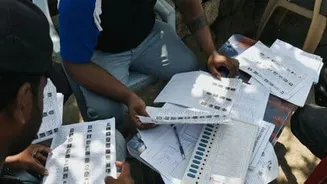
Hence, this is the first time in 35 years that parliamentarians will vote for a presidential candidate. Each MP, including the Speaker, has one vote. In the unlikely event of a tie, the winner will be chosen by lottery. Results will be announced in the evening, with the official gazette published that day, the CEC said.
Bangladesh formed its first government on April 10, 1971, during which Bangabandhu Sheikh Mujibur Rahman was named the founding president of the country. However, since he was detained in a Pakistani jail, Syed Nazrul Islam served as acting president.
From 1972 to 1975, Bangladesh's constitution originally provided for the President to be elected by Parliament. The Fourth Amendment was introduced, in which Dhaka moved to a presidential system, and the President was elected directly by the people. The country held direct elections in 1978, 1981 and 1986.
According to Bangladeshi news outlet The Daily Star, voting will take place in the country's parliament from 2:00 pm to 5:00 pm local time, as set by the Election Commission. The historic polls are coming after Mohammed Shahabuddin, a close aide of deposed prime minister Sheikh Hasina, resigned last month on health grounds. Shahabuddin vacated the office before completing his five-year term.
According to the Constitution of Bangladesh, a new president must be elected within 90 days if the position falls vacant. Currently, Parliamentary Speaker Hafiz Uddin Ahmad is serving as Bangladesh's acting president.
Who had the edge
On August 16, the Election Commission of Bangladesh declared the nomination papers of both candidates as valid. It is pertinent to note that the 78-year-old Alamgir is the candidate of the ruling BNP, while Ahmed, Bir Bikram, chairman of the Liberal Democratic Party, is contesting as the candidate of the Jamaat-e-Islami-led 11-party opposition alliance .
The victory of the BNP candidate is quite likely, because the party holds a two-thirds majority. Interestingly, under Article 70 of the Bangladeshi Constitution, MPs are barred from voting against their party line. Combined with open voting, the chance of Alamgir winning the polls increased further.
A total of 349 lawmakers are expected to vote: 247 from the BNP and 90 from the opposition alliance. The remaining lawmakers are from other parties or are independents. While speaking to the reporters, Chief Election Commissioner AMM Nasir Uddin, also serving as returning officer of the polls, said, “We expect this historic election to be conducted smoothly. Preparations have been taken accordingly.”
First contested election in 35 years
Bangladesh saw the first presidential election under a parliamentary system to be held in 1991. Between 1996 and 2023, a total of eight presidents have been elected to the office. However, all of them have been appointed unopposed, with ruling-party candidates winning each time.
Hence, this is the first time in 35 years that parliamentarians will vote for a presidential candidate. Each MP, including the Speaker, has one vote. In the unlikely event of a tie, the winner will be chosen by lottery. Results will be announced in the evening, with the official gazette published that day, the CEC said.
Bangladesh formed its first government on April 10, 1971, during which Bangabandhu Sheikh Mujibur Rahman was named the founding president of the country. However, since he was detained in a Pakistani jail, Syed Nazrul Islam served as acting president.
From 1972 to 1975, Bangladesh's constitution originally provided for the President to be elected by Parliament. The Fourth Amendment was introduced, in which Dhaka moved to a presidential system, and the President was elected directly by the people. The country held direct elections in 1978, 1981 and 1986.