









What is the story about?
Feeling exhausted at work but can’t take a day off? A viral work trend, “soft off day,” offers a mental break without taking a leave. It's the art of showing up, doing the bare minimum, and giving your brain a mini vacation without officially logging out.
The idea began gaining popularity after an influencer shared subtle strategies to combat work pressure on low-energy days, while still seeming present for the people, completing your own tasks, and being professional.
Here’s what we know.
What is a soft off day?
A soft off day doesn’t mean skipping work or officially taking a day off; instead, employees log in, keep their effort light and focus only on essential tasks. This practice allows them to do as little as possible, a way to scale back, conserve mental energy, and ease the pressure on days when fatigue or burnout makes full productivity feel overwhelming. The goal is not laziness. It is preservation.
The first rule is to start your day a little later than usual to relieve stress and create a slower-paced environment. Don’t show up super early or super late.
Secondly, establish the impression that you’re already on top of things, and send out emails early in the day. Clearing your mails often reduces the risk of follow-ups or last-minute questions later.
Third, the influencer suggested automating everything as it’s a critical part of having a soft-off day at work. She suggested recording meetings (or taking notes) using transcription and note-taking tools to capture key points. This way, the conversation is documented automatically, even if you’re not fully focused the entire time.
On a soft-off day, boundary setting becomes non-negotiable, which is the fourth rule. The influencer advises employees to decline extra responsibilities, avoid staying late, and refuse to take on additional tasks. According to her, safeguarding your time and energy is vital to making a soft-off day truly effective.
Fifth and last, leave early with confidence. While working from home, if you have to stay logged in, just moving the mouse now and then can give the appearance of activity. It will also make you look busy to avoid sullying your reputation.
The growing appeal of soft-offs reflects a broader discussion around burnout. Extended work hours, non-stop notifications, and blurred boundaries between home and office have left many professionals feeling drained.
A soft off recognises an important reality: productivity isn’t constant. There are days when you feel focused and motivated, while on others, even minor tasks can seem daunting. Rather than forcing themselves to power through and risk deeper exhaustion, several employees are opting for controlled slowdowns.
Mental health experts have long cautioned that chronic overwork can result in emotional strain, lower performance, and even physical symptoms.
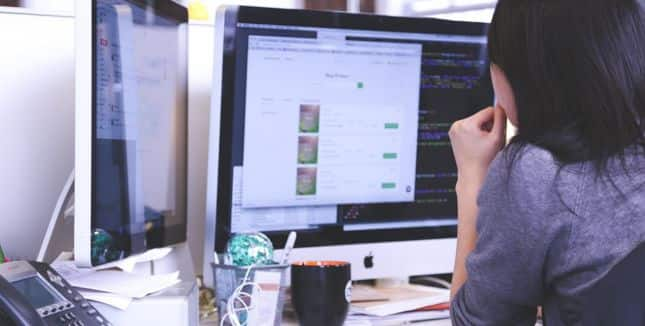
While a soft off day is not a replacement for proper rest, it can serve as a pressure valve. It helps people stay involved without burning out completely.
However, critics question it as well. According to them, the soft off days may blur ethical lines. Pretending or appearing busy at work while deliberately minimising effort could give the impression of dishonesty.
The simple counterargument is that most professionals often go above and beyond on high-performance days. A soft off simply balances the scales.
Soft off days are not a cure for overwhelming workloads, nor do they replace proper leave policies or broader organisational change. However, its growing popularity signals that something in the current system can often feel unsustainable.
In many ways, a soft off day represents a contemporary compromise, balancing professional responsibilities while honouring human limits.
With inputs from agencies
The idea began gaining popularity after an influencer shared subtle strategies to combat work pressure on low-energy days, while still seeming present for the people, completing your own tasks, and being professional.
Here’s what we know.
What is a soft off day?
A soft off day doesn’t mean skipping work or officially taking a day off; instead, employees log in, keep their effort light and focus only on essential tasks. This practice allows them to do as little as possible, a way to scale back, conserve mental energy, and ease the pressure on days when fatigue or burnout makes full productivity feel overwhelming. The goal is not laziness. It is preservation.
How do you practice a soft off at work?
The first rule is to start your day a little later than usual to relieve stress and create a slower-paced environment. Don’t show up super early or super late.
Secondly, establish the impression that you’re already on top of things, and send out emails early in the day. Clearing your mails often reduces the risk of follow-ups or last-minute questions later.
View this post on Instagram
Third, the influencer suggested automating everything as it’s a critical part of having a soft-off day at work. She suggested recording meetings (or taking notes) using transcription and note-taking tools to capture key points. This way, the conversation is documented automatically, even if you’re not fully focused the entire time.
On a soft-off day, boundary setting becomes non-negotiable, which is the fourth rule. The influencer advises employees to decline extra responsibilities, avoid staying late, and refuse to take on additional tasks. According to her, safeguarding your time and energy is vital to making a soft-off day truly effective.
Fifth and last, leave early with confidence. While working from home, if you have to stay logged in, just moving the mouse now and then can give the appearance of activity. It will also make you look busy to avoid sullying your reputation.
Why are professionals embracing it?
The growing appeal of soft-offs reflects a broader discussion around burnout. Extended work hours, non-stop notifications, and blurred boundaries between home and office have left many professionals feeling drained.
A soft off recognises an important reality: productivity isn’t constant. There are days when you feel focused and motivated, while on others, even minor tasks can seem daunting. Rather than forcing themselves to power through and risk deeper exhaustion, several employees are opting for controlled slowdowns.
Mental health experts have long cautioned that chronic overwork can result in emotional strain, lower performance, and even physical symptoms.
Soft off days are not a cure for overwhelming workloads, nor do they replace proper leave policies or broader organisational change. Representational image/Pixabay
While a soft off day is not a replacement for proper rest, it can serve as a pressure valve. It helps people stay involved without burning out completely.
However, critics question it as well. According to them, the soft off days may blur ethical lines. Pretending or appearing busy at work while deliberately minimising effort could give the impression of dishonesty.
The simple counterargument is that most professionals often go above and beyond on high-performance days. A soft off simply balances the scales.
Soft off days are not a cure for overwhelming workloads, nor do they replace proper leave policies or broader organisational change. However, its growing popularity signals that something in the current system can often feel unsustainable.
In many ways, a soft off day represents a contemporary compromise, balancing professional responsibilities while honouring human limits.
With inputs from agencies