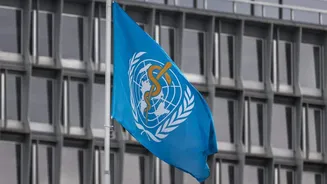








On his first full day back in the Oval Office, President Donald Trump signed an executive order announcing the United States’ intention to withdraw from the World Health Organization (WHO).
The order, issued on January 20, 2025, marks another high-profile shift in US foreign policy and health strategy. Trump and his advisers have long criticised the WHO for what they see as its mishandling of past health emergencies and for failing to reform itself in ways they believe are necessary.
Why Washington is pulling out
In the executive order, the administration laid out several reasons for the withdrawal. It criticised the WHO’s response to the Covid pandemic and other global health crises, saying the organisation failed to adopt reforms and was too influenced by “inappropriate political influence” from member states.
The White House also argued that the financial burden placed on the United States by the WHO has been unfair compared with contributions from other countries. The order noted that China, despite having a much larger population, contributes proportionally less to the organisation than the US.
Under the plan, the US will “pause the future transfer of any United States Government funds, support, or resources to the WHO,” and reassign or recall US personnel working with the organisation.
Officials are also tasked with identifying credible partners—both in the US and internationally—to take on key roles previously carried out by the WHO.
How the withdrawal will work
The order formally revokes previous actions that had kept the United States engaged with the WHO, including a Biden-era letter that halted an earlier withdrawal attempt. Withdrawing officially is a process: under WHO rules, the exit becomes effective one year after notice is delivered to the United Nations and WHO leadership.
While the withdrawal is underway, the US will also stop participating in negotiations on a global pandemic agreement and amendments to international health regulations. Actions taken on those matters will no longer bind Washington as they progress.
Critics argue that leaving the WHO could weaken global efforts to fight outbreaks and other health challenges that cross borders, especially as the US had been a leading funder and contributor to surveillance and response mechanisms. Supporters in the administration say the decision allows the US to take greater control of its own biosecurity and health strategy.