








What is the story about?
With the aim of creating 'lipstick-free campuses', the Child Welfare Committee (CWC) has launched an extensive awareness campaign across schools in Kerala to discourage the use of cosmetics among students. The initiative comes amid growing concerns over cosmetic use among schoolchildren and seeks to highlight the potential health risks associated with such products. It follows earlier warnings from the Health Department that toxic heavy metals found in commonly used cosmetics could contribute to bowel cancer in children.
The campaign seeks to educate students, parents and communities about the dangers linked to the regular use of beauty products among children.
According to the CWC, products such as lipsticks, eyeliners, eyeshadows, blushers and face creams often contain heavy metals, including mercury and cadmium.
Officials warned that the build-up of these substances in the body can harm not only children's skin but also vital internal organs.
The Kollam District Child Welfare Committee said the campaign was initiated following a study conducted by the Regional Cancer Centre (RCC) in Thiruvananthapuram.
The research pointed to a recent increase in bowel cancer cases among children in Kollam, Ernakulam and Kozhikode districts.
The campaign was formally launched at Mayyanad Higher Secondary School in Kollam by noted poet Kureepuzha Sreekumar, according to mathrubhumi.
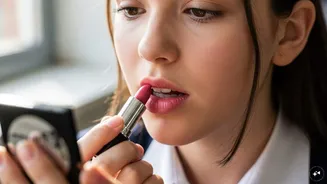
Teachers have reported that many students bring cosmetic products, including lipsticks, to school and use them during breaks.
Officials noted that children have thinner and more sensitive skin than adults, making them more vulnerable to absorbing chemical substances at a faster rate. Excessive exposure, they said, can lead to severe allergies, hormonal imbalances, developmental problems and a higher risk of cancer.
A key objective of the programme is to remove cosmetic use from school campuses through awareness and education.
Schools that successfully complete sessions conducted by medical experts will be designated as 'lipstick-free campuses'.
Following awareness programmes for students, the initiative will also include sessions for parents.
The CWC plans to expand the campaign to residents' associations, Kudumbashree self-help groups and other community organisations.
The campaign has gained urgency following findings from last year when the State Drugs Control Department seized lipsticks and face creams containing mercury levels above permissible limits.
Officials noted that such products are often available at shops located near schools.
D Shine Dev, secretary of the Kollam District Child Welfare Committee, said the State Commission for Protection of Child Rights has already submitted a report recommending inspections of these shops and calling for the awareness campaign to be expanded nationwide.
The campaign seeks to educate students, parents and communities about the dangers linked to the regular use of beauty products among children.
Concerns over harmful ingredients in cosmetics
According to the CWC, products such as lipsticks, eyeliners, eyeshadows, blushers and face creams often contain heavy metals, including mercury and cadmium.
Officials warned that the build-up of these substances in the body can harm not only children's skin but also vital internal organs.
Study highlights rise in bowel cancer cases
The Kollam District Child Welfare Committee said the campaign was initiated following a study conducted by the Regional Cancer Centre (RCC) in Thiruvananthapuram.
The research pointed to a recent increase in bowel cancer cases among children in Kollam, Ernakulam and Kozhikode districts.
The campaign was formally launched at Mayyanad Higher Secondary School in Kollam by noted poet Kureepuzha Sreekumar, according to mathrubhumi.
Teachers have reported that many students bring cosmetic products, including lipsticks, to school and use them during breaks.
Officials noted that children have thinner and more sensitive skin than adults, making them more vulnerable to absorbing chemical substances at a faster rate. Excessive exposure, they said, can lead to severe allergies, hormonal imbalances, developmental problems and a higher risk of cancer.
Schools to be designated 'lipstick-free campuses'
A key objective of the programme is to remove cosmetic use from school campuses through awareness and education.
Schools that successfully complete sessions conducted by medical experts will be designated as 'lipstick-free campuses'.
Following awareness programmes for students, the initiative will also include sessions for parents.
The CWC plans to expand the campaign to residents' associations, Kudumbashree self-help groups and other community organisations.
The campaign has gained urgency following findings from last year when the State Drugs Control Department seized lipsticks and face creams containing mercury levels above permissible limits.
Officials noted that such products are often available at shops located near schools.
D Shine Dev, secretary of the Kollam District Child Welfare Committee, said the State Commission for Protection of Child Rights has already submitted a report recommending inspections of these shops and calling for the awareness campaign to be expanded nationwide.