






What is the story about?
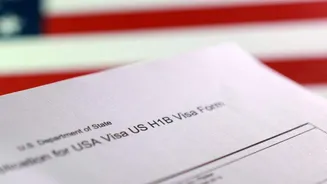
A Republican lawmaker has introduced a Bill in the US House of Representatives that would significantly overhaul the H-1B visa programme, including ending its use as a pathway to permanent residency and reducing the maximum duration of the visa.
The proposed legislation, titled the American White-Collar Worker Jobs Act, was introduced by Chip Roy on Thursday. The Bill also seeks to eliminate the Optional Practical Training (OPT) programme, which currently allows international students to work in the US for a limited period after completing their studies.
Defending the proposal, Roy argued that the H-1B programme has been misused for decades and has often disadvantaged American workers.
He said the current visa system allows employers to bypass domestic talent and called for reforms that would prioritise merit and improve wage standards. Roy also criticised the existing lottery-based selection process, saying it should be replaced with a more skills- and salary-focused system.
The legislation proposes reducing the maximum validity of an H-1B visa from six years to two years.
It also seeks to replace the current lottery system with a wage-based selection process, giving preference to applicants offered higher salaries.
One of the most significant changes involves removing the “dual intent” provision. Under current rules, H-1B visa holders can work in the US while simultaneously pursuing permanent residency. The proposed Bill would require applicants to demonstrate their intention to return to their home country, effectively severing the visa’s link to obtaining a green card.
In addition, the legislation would end extensions currently available to visa holders whose green card applications remain pending.
Backers of the Bill argue that the proposed changes are necessary to safeguard employment opportunities for US citizens.
Kevin Lynn, head of US Tech Workers, said the legislation would address aspects of the H-1B programme that, in his view, have enabled employers to replace American workers.
Co-sponsor Eli Crane said the Bill is designed to put American workers first and strengthen long-term employment prospects for future generations.
The proposal comes amid a broader tightening of immigration policies under the administration of Donald Trump, which has already introduced stricter visa requirements and higher application fees for new H-1B applicants.
If enacted, the Bill could have a significant impact on Indian nationals, who account for a large share of H-1B visa holders and international students in the United States. The proposed changes would make it considerably harder for temporary visa holders to transition to permanent residency through the existing H-1B route.
The legislation has been introduced in the House of Representatives but must still secure approval from both chambers of Congress before it can be signed into law. Its future remains uncertain as lawmakers continue to debate immigration and workforce policies in the US.
The proposed legislation, titled the American White-Collar Worker Jobs Act, was introduced by Chip Roy on Thursday. The Bill also seeks to eliminate the Optional Practical Training (OPT) programme, which currently allows international students to work in the US for a limited period after completing their studies.
Roy says H-1B system has been abused
Defending the proposal, Roy argued that the H-1B programme has been misused for decades and has often disadvantaged American workers.
He said the current visa system allows employers to bypass domestic talent and called for reforms that would prioritise merit and improve wage standards. Roy also criticised the existing lottery-based selection process, saying it should be replaced with a more skills- and salary-focused system.
What changes does the Bill propose?
The legislation proposes reducing the maximum validity of an H-1B visa from six years to two years.
It also seeks to replace the current lottery system with a wage-based selection process, giving preference to applicants offered higher salaries.
One of the most significant changes involves removing the “dual intent” provision. Under current rules, H-1B visa holders can work in the US while simultaneously pursuing permanent residency. The proposed Bill would require applicants to demonstrate their intention to return to their home country, effectively severing the visa’s link to obtaining a green card.
In addition, the legislation would end extensions currently available to visa holders whose green card applications remain pending.
Supporters say reforms will protect American jobs
Backers of the Bill argue that the proposed changes are necessary to safeguard employment opportunities for US citizens.
Kevin Lynn, head of US Tech Workers, said the legislation would address aspects of the H-1B programme that, in his view, have enabled employers to replace American workers.
Co-sponsor Eli Crane said the Bill is designed to put American workers first and strengthen long-term employment prospects for future generations.
Potential impact on Indian professionals and students
The proposal comes amid a broader tightening of immigration policies under the administration of Donald Trump, which has already introduced stricter visa requirements and higher application fees for new H-1B applicants.
If enacted, the Bill could have a significant impact on Indian nationals, who account for a large share of H-1B visa holders and international students in the United States. The proposed changes would make it considerably harder for temporary visa holders to transition to permanent residency through the existing H-1B route.
Bill faces long legislative path
The legislation has been introduced in the House of Representatives but must still secure approval from both chambers of Congress before it can be signed into law. Its future remains uncertain as lawmakers continue to debate immigration and workforce policies in the US.