




What is the story about?
India is weighing a sweeping incentive programme worth more than $1 billion to accelerate the adoption of electric buses and trucks in the private sector, as the government looks to curb fossil-fuel dependence and strengthen energy security, Bloomberg News reported on Wednesday, citing people familiar with the matter.
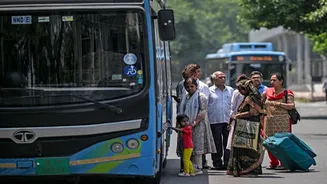
According to the report, the proposed programme is expected to run over 10 years and would primarily target privately owned commercial vehicles, especially inter-city bus operators, which account for a significant share of diesel consumption.
The initiative is still under discussion, with consultations likely to be held with the Prime Minister’s Office and industry stakeholders in the coming weeks, the report said.
The move comes as India intensifies efforts to cut reliance on imported crude oil following supply disruptions linked to the ongoing West Asia crisis.
India imports 80 to 90 per cent of its crude oil requirements, leaving the economy exposed to geopolitical tensions and volatile energy prices.
According to the report, officials are also looking at the programme as a way to tackle worsening air pollution in major cities.
Studies cited by the International Council on Clean Transportation show vehicular emissions contribute significantly to fine particulate matter pollution in cities such as New Delhi.
The report said the government is exploring incentives including interest subvention benefits of up to Rs 15 lakh per vehicle over its lifetime, with support likely to taper gradually.
Authorities are also evaluating a partial credit guarantee mechanism to encourage banks and lenders to finance electric commercial vehicles for private operators, the report said.
India currently has more than 2 million buses on the road, but only about 5 per cent are government operated, according to estimates cited in the discussions. Most trucks and buses in the country continue to run on diesel despite rapid growth in electric bus adoption in recent years.
According to the report, the proposed programme is expected to run over 10 years and would primarily target privately owned commercial vehicles, especially inter-city bus operators, which account for a significant share of diesel consumption.
The initiative is still under discussion, with consultations likely to be held with the Prime Minister’s Office and industry stakeholders in the coming weeks, the report said.
The move comes as India intensifies efforts to cut reliance on imported crude oil following supply disruptions linked to the ongoing West Asia crisis.
India imports 80 to 90 per cent of its crude oil requirements, leaving the economy exposed to geopolitical tensions and volatile energy prices.
According to the report, officials are also looking at the programme as a way to tackle worsening air pollution in major cities.
Studies cited by the International Council on Clean Transportation show vehicular emissions contribute significantly to fine particulate matter pollution in cities such as New Delhi.
The report said the government is exploring incentives including interest subvention benefits of up to Rs 15 lakh per vehicle over its lifetime, with support likely to taper gradually.
Authorities are also evaluating a partial credit guarantee mechanism to encourage banks and lenders to finance electric commercial vehicles for private operators, the report said.
India currently has more than 2 million buses on the road, but only about 5 per cent are government operated, according to estimates cited in the discussions. Most trucks and buses in the country continue to run on diesel despite rapid growth in electric bus adoption in recent years.