






What is the story about?
The US and Iran agreed to a two-week ceasefire on Tuesday (April 7) just hours before US President Donald Trump's deadline to obliterate Iran was set to expire. With Trump pausing all strikes on Iran, Tehran also agreed to reopen the Strait of Hormuz. However, the war-hit nation has reportedly closed the waterway again after missiles from Israel hit Lebanon. Tehran accused Israel of violating the ceasefire.
But the truce has already sent a wave of relief through global energy markets. In India, which relies on West Asia for most of its Liquefied Petroleum Gas (LPG) and crude oil imports, the focus is now shifting to when consumers will start to see the benefits of the ceasefire.
So, will the truce boost the LPG supplies and ease the prices? We take a look.
The LPG supplies are expected to be in place following the ceasefire. At the peak of the conflict, India had to prioritise the household consumers over commercial users. However, with the Strait now reopening, delayed vessels such as the Green Asha and Jag Vasant will be able to resume their schedules without costly naval escorts.
According to Prashant Vasisht, a senior VP & Co-Group Head of Corporate Ratings at ICRA, “The announcement of ceasefire in West Asia provides much-needed relief to the domestic oil and gas sector, given the high reliance on West Asia for supplies," as reported by the Hindu Business Line.
"While crude and product flows may take months to normalise, some supplies would start for crude oil and petroleum products like naphtha, LPG, thereby alleviating the immediate shortage," he added.
With the chances of supplies recommencing from the Strait of Hormuz, according to Vasisht, LPG and crude oil prices have eased, thus reducing pressure on marketing margins and LPG under-recoveries for oil marketing companies.
The LPG situation is still more sensitive.
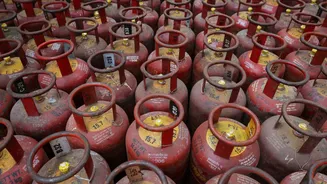
On April 1, the prices of commercial LPG were hiked by Rs 195.50, pushing the cost of a 19-kg cylinder in the capital to more than Rs 2,078. While the price of domestic 14.2-kg cylinders remained unchanged, they faced significant cost pressure due to a steep 38–80 per cent rise in official selling prices by Saudi Aramco and Sonatrach, News18 reported.
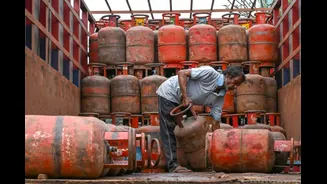
The central government also doubled the sales of 5-kg “free trade" cylinders to one lakh per day to manage the local shortage crisis.
Experts argue that the declared ceasefire will help ease supplies of LPG and Liquefied Natural Gas (LNG) to India, noting that it might take months for crude oil and refined product flows to normalise.
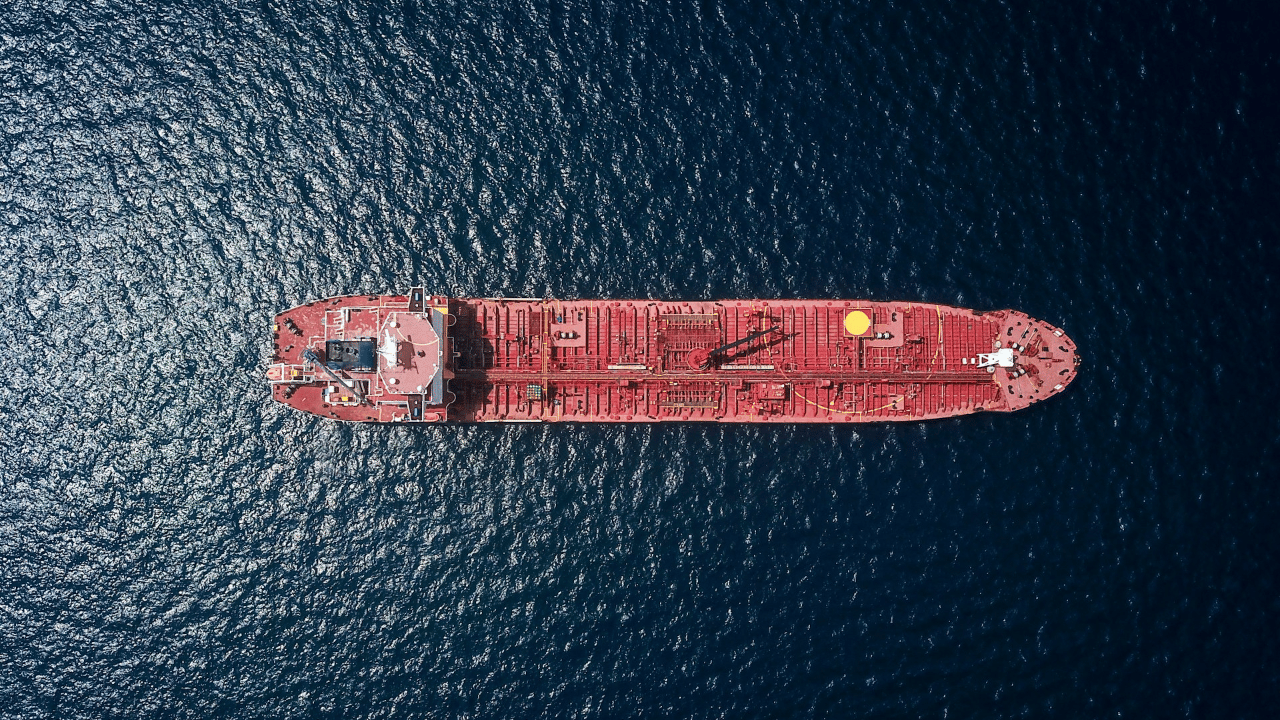
The truce talks have pushed shipowners to prepare rapid departures from West Asia, where over 800 vessels have been stranded since late February. However, the main terms of the ceasefire and passage protocols remain unclear, Lloyd’s List Editor-in-Chief Richard Meade wrote in an article on Wednesday (April 8).
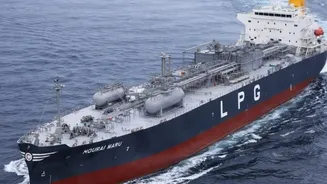
Hundreds of vessels are still in the region, including 426 tankers, 34 LPG carriers, and 19 LNG ships, many of which were left effectively stranded during the disruption, the Hindu reported, citing Marine Traffic.
Till Tuesday (April 7), transits were still being negotiated on a case-by-case basis, Lloyd’s List said. However, it remains unclear whether the system will be revised following the tentative two-week ceasefire.
Under the current system, every vessel seeking approval for clearance to transit the strait must submit an official request through its agent in Iran.
Shipowners then provide documentation on the vessel's ownership, management, financing, insurance, and trading history, as well as charterer contracts. All this is done to prove that the vessel has no affiliation with the US or Israel.
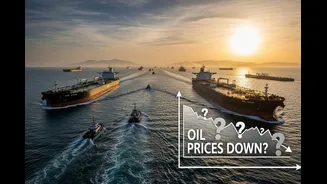
Some experts called the two-week truce announcement "bearish" for near-term oil prices because it immediately removes the threat of military escalation.
However, according to James Bambino, Senior Principal Analyst Oil Trading Research, at S&P Global Energy: "Normalised trade flows are far from certain, and hostilities could resume at any time. The market shouldn’t assume an immediate return to pre-crisis conditions."
"The focus is mainly on the Strait of Hormuz...This near-term resolution is optimistic, but it alone does not fully address the underlying geopolitical tensions undergirding oil prices," asserted Zhuwei Wang, Director of research & analysis at S&P Global Energy.
He added, "Presuming traffic begins to flow through Hormuz, trade flow normalisation will take months, not weeks. Demand destruction, already underway, will likely continue despite the ceasefire. The bigger concern is what happens after reopening. It is likely that Hormuz will face persistent threats (Houthis, other proxy forces) for the foreseeable future."
Even though global crude benchmarks like Brent dropped sharply by nearly 16 per cent to below $93 (Rs around 8,600) per barrel following the ceasefire announcement, Indian consumers are unlikely to see a price cut at the pump. This is because domestic Oil Marketing Companies (OMCs) adjust retail fuel rates based on a 15-day rolling average of international prices.
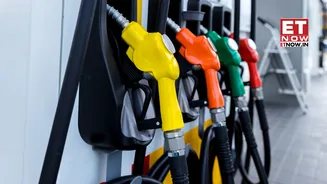
For now, petrol in Delhi remains at Rs 94.77 per litre, and diesel is steady at Rs 87.67 per litre. However, analysts believe that if the ceasefire holds and the Strait of Hormuz remains open, fuel prices could be reduced by Rs 3–Rs 5 per litre over the next 7 to 10 days.
For now, Trump will pause all strikes on Iran, subject to Tehran agreeing to a two-week ceasefire and reopening the Strait of Hormuz, the waterway through which a fifth of the world’s oil is shipped during peacetime.
The two sides are also expected to meet in Islamabad on Friday (April 10) to hammer out the 10-point proposal put forth by Tehran. The list of 10 points, published by Iranian state media, includes several conditions that Washington has previously rejected.
Abbas Araghchi, the Iranian foreign minister, said safe passage through the Strait would be allowed under Iranian military management. But, it wasn’t immediately clear whether he meant Iran would entirely loosen its control on the waterway.
According to several reports, the plan permits Iran and Oman to charge a fee of up to $2m (around Rs 18.55 crore) per ship for vessels transiting the vital shipping channel.
In future, if the peace talks stall, Tehran may again seek to close the strait.
With inputs from agencies
But the truce has already sent a wave of relief through global energy markets. In India, which relies on West Asia for most of its Liquefied Petroleum Gas (LPG) and crude oil imports, the focus is now shifting to when consumers will start to see the benefits of the ceasefire.
So, will the truce boost the LPG supplies and ease the prices? We take a look.
LPG cylinder to get cheaper anytime soon?
The LPG supplies are expected to be in place following the ceasefire. At the peak of the conflict, India had to prioritise the household consumers over commercial users. However, with the Strait now reopening, delayed vessels such as the Green Asha and Jag Vasant will be able to resume their schedules without costly naval escorts.
According to Prashant Vasisht, a senior VP & Co-Group Head of Corporate Ratings at ICRA, “The announcement of ceasefire in West Asia provides much-needed relief to the domestic oil and gas sector, given the high reliance on West Asia for supplies," as reported by the Hindu Business Line.
"While crude and product flows may take months to normalise, some supplies would start for crude oil and petroleum products like naphtha, LPG, thereby alleviating the immediate shortage," he added.
With the chances of supplies recommencing from the Strait of Hormuz, according to Vasisht, LPG and crude oil prices have eased, thus reducing pressure on marketing margins and LPG under-recoveries for oil marketing companies.
The LPG situation is still more sensitive.
On April 1, the prices of commercial LPG were hiked by Rs 195.50, pushing the cost of a 19-kg cylinder in the capital to more than Rs 2,078. While the price of domestic 14.2-kg cylinders remained unchanged, they faced significant cost pressure due to a steep 38–80 per cent rise in official selling prices by Saudi Aramco and Sonatrach, News18 reported.
The central government also doubled the sales of 5-kg “free trade" cylinders to one lakh per day to manage the local shortage crisis.
What analysts say about LPG supplies post-truce
Experts argue that the declared ceasefire will help ease supplies of LPG and Liquefied Natural Gas (LNG) to India, noting that it might take months for crude oil and refined product flows to normalise.
The truce talks have pushed shipowners to prepare rapid departures from West Asia, where over 800 vessels have been stranded since late February. However, the main terms of the ceasefire and passage protocols remain unclear, Lloyd’s List Editor-in-Chief Richard Meade wrote in an article on Wednesday (April 8).
Hundreds of vessels are still in the region, including 426 tankers, 34 LPG carriers, and 19 LNG ships, many of which were left effectively stranded during the disruption, the Hindu reported, citing Marine Traffic.
Till Tuesday (April 7), transits were still being negotiated on a case-by-case basis, Lloyd’s List said. However, it remains unclear whether the system will be revised following the tentative two-week ceasefire.
Under the current system, every vessel seeking approval for clearance to transit the strait must submit an official request through its agent in Iran.
Shipowners then provide documentation on the vessel's ownership, management, financing, insurance, and trading history, as well as charterer contracts. All this is done to prove that the vessel has no affiliation with the US or Israel.
Some experts called the two-week truce announcement "bearish" for near-term oil prices because it immediately removes the threat of military escalation.
However, according to James Bambino, Senior Principal Analyst Oil Trading Research, at S&P Global Energy: "Normalised trade flows are far from certain, and hostilities could resume at any time. The market shouldn’t assume an immediate return to pre-crisis conditions."
"The focus is mainly on the Strait of Hormuz...This near-term resolution is optimistic, but it alone does not fully address the underlying geopolitical tensions undergirding oil prices," asserted Zhuwei Wang, Director of research & analysis at S&P Global Energy.
He added, "Presuming traffic begins to flow through Hormuz, trade flow normalisation will take months, not weeks. Demand destruction, already underway, will likely continue despite the ceasefire. The bigger concern is what happens after reopening. It is likely that Hormuz will face persistent threats (Houthis, other proxy forces) for the foreseeable future."
Will the prices of petrol and diesel be dropped now?
Even though global crude benchmarks like Brent dropped sharply by nearly 16 per cent to below $93 (Rs around 8,600) per barrel following the ceasefire announcement, Indian consumers are unlikely to see a price cut at the pump. This is because domestic Oil Marketing Companies (OMCs) adjust retail fuel rates based on a 15-day rolling average of international prices.
For now, petrol in Delhi remains at Rs 94.77 per litre, and diesel is steady at Rs 87.67 per litre. However, analysts believe that if the ceasefire holds and the Strait of Hormuz remains open, fuel prices could be reduced by Rs 3–Rs 5 per litre over the next 7 to 10 days.
What ceasefire mean for the Strait of Hormuz
For now, Trump will pause all strikes on Iran, subject to Tehran agreeing to a two-week ceasefire and reopening the Strait of Hormuz, the waterway through which a fifth of the world’s oil is shipped during peacetime.
The two sides are also expected to meet in Islamabad on Friday (April 10) to hammer out the 10-point proposal put forth by Tehran. The list of 10 points, published by Iranian state media, includes several conditions that Washington has previously rejected.
Abbas Araghchi, the Iranian foreign minister, said safe passage through the Strait would be allowed under Iranian military management. But, it wasn’t immediately clear whether he meant Iran would entirely loosen its control on the waterway.
According to several reports, the plan permits Iran and Oman to charge a fee of up to $2m (around Rs 18.55 crore) per ship for vessels transiting the vital shipping channel.
In future, if the peace talks stall, Tehran may again seek to close the strait.
With inputs from agencies