






What is the story about?
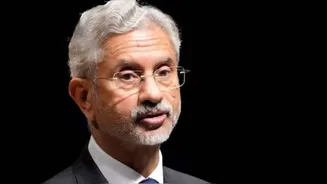
External Affairs Minister S Jaishankar spoke to his counterparts from Saudi Arabia and the United Arab Emirates (UAE) focusing on various aspects of the evolving situation in West Asia amid spiralling hostilities between Iran and the US.
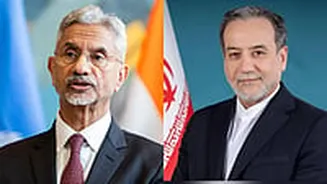
Jaishankar held the phone conversations with UAE Foreign Minister Sheikh Abdullah bin Zayed Al Nahyan and Saudi Foreign Minister Faisal bin Farhan Saturday night.
”Discussed ongoing developments related to the conflict in West Asia,” the external affairs minister said on social media on Sunday about his talks with the Saudi foreign minister.
On his conversation with Zayed Al Nahyan, Jaishankar said: ”Exchanged views on various aspects of the regional situation.” It is learnt that India’s energy security figured in Jaishankar’s conversations with both foreign ministers.
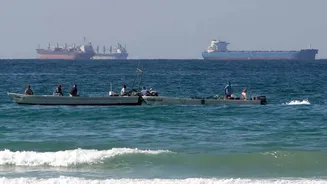
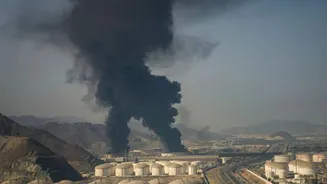
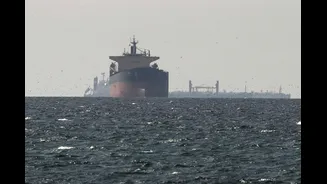
Global oil and gas prices have risen sharply after Iran effectively blocked the strategic Strait of Hormuz, a narrow maritime passage linking the Persian Gulf with the Gulf of Oman and handling roughly 20 percent of the world’s oil and liquefied natural gas shipments.
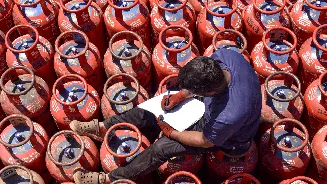
West Asia remains a crucial supplier for India’s energy imports, making the conflict particularly significant for New Delhi.
Jaishankar’s outreach also comes as India works to build consensus within the Brics grouping regarding the conflict. India currently holds the chair of the bloc, which recently expanded to include countries such as Iran and the UAE.
However, Iran’s retaliatory actions against the UAE and other Gulf nations following the February 28 strikes by the United States and Israel have created unease within the expanded grouping.
As chair of BRICS, India now faces the challenge of shaping a common position among member states on the ongoing conflict.
With inputs from agencies
Jaishankar held the phone conversations with UAE Foreign Minister Sheikh Abdullah bin Zayed Al Nahyan and Saudi Foreign Minister Faisal bin Farhan Saturday night.
”Discussed ongoing developments related to the conflict in West Asia,” the external affairs minister said on social media on Sunday about his talks with the Saudi foreign minister.
On his conversation with Zayed Al Nahyan, Jaishankar said: ”Exchanged views on various aspects of the regional situation.” It is learnt that India’s energy security figured in Jaishankar’s conversations with both foreign ministers.
Global oil and gas prices have risen sharply after Iran effectively blocked the strategic Strait of Hormuz, a narrow maritime passage linking the Persian Gulf with the Gulf of Oman and handling roughly 20 percent of the world’s oil and liquefied natural gas shipments.
West Asia remains a crucial supplier for India’s energy imports, making the conflict particularly significant for New Delhi.
Jaishankar’s outreach also comes as India works to build consensus within the Brics grouping regarding the conflict. India currently holds the chair of the bloc, which recently expanded to include countries such as Iran and the UAE.
However, Iran’s retaliatory actions against the UAE and other Gulf nations following the February 28 strikes by the United States and Israel have created unease within the expanded grouping.
As chair of BRICS, India now faces the challenge of shaping a common position among member states on the ongoing conflict.
With inputs from agencies