







What is the story about?
Artificial intelligence may be handling most of the coding work at Anthropic, but the company says it is still expanding its workforce rapidly rather than shrinking it.
Speaking on Patrick O’Shaughnessy’s Invest Like the Best podcast, Anthropic chief financial officer Krishna Rao explained how AI systems are becoming deeply embedded in the company’s daily operations, particularly in software engineering and finance functions.
According to Rao, Anthropic’s AI assistant Claude Code now generates more than 90% of the company’s codebase. He added that the technology is also being used internally to automate complex financial workflows, significantly reducing the time required for reporting and operational tasks.
Despite this high level of automation, Rao said the company has continued hiring aggressively, arguing that AI tools are enabling employees to take on more work rather than eliminating the need for human teams.
“We’ve hired a lot more people because of that,” he said, describing Claude as a productivity “accelerant”.
Rao explained that AI systems inside Anthropic are increasingly managing what he referred to as the “execution layer” of knowledge work. This includes tasks ranging from software development to preparing financial documents.
According to him, Anthropic’s finance department now uses AI-generated drafts for financial statements that are already “90 to 95% ready” before reaching human reviewers. Processes that previously consumed several hours can now reportedly be completed in around 30 minutes.
“It’s accentuating and accelerating the talent we already have,” Rao said.
Rather than relying on large teams, Anthropic appears to be focusing on what Rao described as “talent density”, where smaller groups of highly skilled employees use AI systems to amplify their output.
He also suggested that the role of employees is evolving from direct execution to supervision and coordination of AI agents. “Everyone kind of becomes a manager,” Rao said, referring to teams overseeing multiple AI systems operating simultaneously across projects.
Krishna Rao joined Anthropic in May 2024 as the company’s first chief financial officer. Before joining the AI startup, he worked at private equity firm Tidemark and previously served as CFO at Silicon Valley companies Cedar and Fanatics.
At the time Rao joined Anthropic, the company reportedly had annualised revenue of around $250 million. That figure has since climbed sharply, with reports suggesting Anthropic’s revenue run rate has now reached approximately $30 billion.
His tenure has coincided with Anthropic’s rapid expansion and the growing success of Claude Code, which had not yet launched when he joined the company.
Rao has also overseen efforts related to securing computing infrastructure, an area considered critical for AI companies training large language models.
“Compute that we procure is the lifeblood of our business. It is the most important thing in the company. It is the canvas on which everything else gets built,” he said during the podcast.
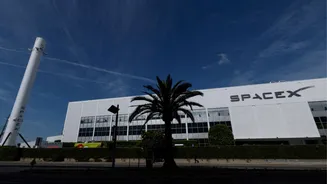
Anthropic recently struck a partnership with SpaceX to access the Colossus 1 supercomputer for AI model development. The company is also reportedly preparing for a future IPO, with speculation that its valuation could eventually approach $1 trillion.
Rao’s comments arrive amid wider debate across the technology industry over whether AI will reduce employment or reshape it. While some firms have used automation to justify layoffs, Anthropic argues that productivity gains may instead create capacity for companies to hire more workers and pursue larger ambitions.
Speaking on Patrick O’Shaughnessy’s Invest Like the Best podcast, Anthropic chief financial officer Krishna Rao explained how AI systems are becoming deeply embedded in the company’s daily operations, particularly in software engineering and finance functions.
According to Rao, Anthropic’s AI assistant Claude Code now generates more than 90% of the company’s codebase. He added that the technology is also being used internally to automate complex financial workflows, significantly reducing the time required for reporting and operational tasks.
Despite this high level of automation, Rao said the company has continued hiring aggressively, arguing that AI tools are enabling employees to take on more work rather than eliminating the need for human teams.
“We’ve hired a lot more people because of that,” he said, describing Claude as a productivity “accelerant”.
AI takes over execution while humans focus on judgement
Rao explained that AI systems inside Anthropic are increasingly managing what he referred to as the “execution layer” of knowledge work. This includes tasks ranging from software development to preparing financial documents.
According to him, Anthropic’s finance department now uses AI-generated drafts for financial statements that are already “90 to 95% ready” before reaching human reviewers. Processes that previously consumed several hours can now reportedly be completed in around 30 minutes.
“It’s accentuating and accelerating the talent we already have,” Rao said.
Rather than relying on large teams, Anthropic appears to be focusing on what Rao described as “talent density”, where smaller groups of highly skilled employees use AI systems to amplify their output.
He also suggested that the role of employees is evolving from direct execution to supervision and coordination of AI agents. “Everyone kind of becomes a manager,” Rao said, referring to teams overseeing multiple AI systems operating simultaneously across projects.
Who is Krishna Rao, the Anthropic's CFO
Krishna Rao joined Anthropic in May 2024 as the company’s first chief financial officer. Before joining the AI startup, he worked at private equity firm Tidemark and previously served as CFO at Silicon Valley companies Cedar and Fanatics.
At the time Rao joined Anthropic, the company reportedly had annualised revenue of around $250 million. That figure has since climbed sharply, with reports suggesting Anthropic’s revenue run rate has now reached approximately $30 billion.
His tenure has coincided with Anthropic’s rapid expansion and the growing success of Claude Code, which had not yet launched when he joined the company.
Rao has also overseen efforts related to securing computing infrastructure, an area considered critical for AI companies training large language models.
“Compute that we procure is the lifeblood of our business. It is the most important thing in the company. It is the canvas on which everything else gets built,” he said during the podcast.
Anthropic recently struck a partnership with SpaceX to access the Colossus 1 supercomputer for AI model development. The company is also reportedly preparing for a future IPO, with speculation that its valuation could eventually approach $1 trillion.
Rao’s comments arrive amid wider debate across the technology industry over whether AI will reduce employment or reshape it. While some firms have used automation to justify layoffs, Anthropic argues that productivity gains may instead create capacity for companies to hire more workers and pursue larger ambitions.