







What is the story about?
An India-bound tanker carrying liquefied petroleum gas (LPG) has crossed the Strait of Hormuz in a rare transit, as the region remains under a dual blockade by the United States and Iran.
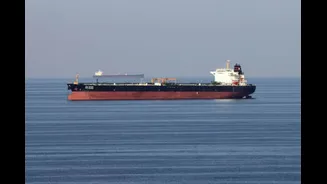
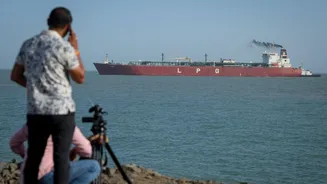
The vessel, named Sarv Shakti, is a very large gas carrier, carrying around 45,000 tons of LPG, a fuel widely used for household cooking in India.
The journey of Sarv Shakti is significant because it is the first known India-linked tanker to pass through Hormuz since a US-led blockade targeting ships linked to Iran began weeks ago. The restrictions had reduced ship traffic in the area to nearly zero.
According to a report in Bloomberg, the vessel sailed past Iran’s Larak and Qeshm islands and moved into the Gulf of Oman.
The tanker has regularly operated between the Persian Gulf and Indian ports and is currently signaling that it is headed to India with an Indian crew onboard, the report said.
State-run Indian Oil Corporation is listed as the buyer of the cargo. The company, however, has not yet commented on the development.
This crossing is also one of the largest outbound movements since a brief reopening of the strait last month, which was quickly reversed amid security concerns.
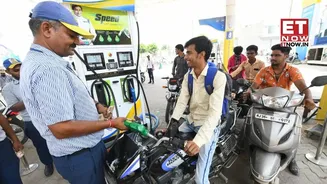
India, the world’s third-largest oil importer and second-largest LPG consumer, has been facing supply shortages as deliveries from West Asia slowed. The shortage has led to panic buying, long queues, and reduced cooking options in some areas.
The government has been working to ensure the safe movement of LPG carriers. Since late February, when the US and Israel began strikes on Iran, India has taken steps such as prioritising LPG ships at its ports and increasing domestic production.
However, the situation worsened in April when Iran briefly reopened the route but then fired on ships attempting to pass, forcing many vessels to turn back.
According to reports, one Indian-linked tanker, Desh Garima, managed to cross earlier by switching off its tracking signals. Since then, most ships have avoided the route.
India has managed to move around eight LPG vessels through Hormuz strait during the conflict after talks with Iran. At the same time, it has increased LPG production by about 60 per cent to meet demand, while consumption has slightly declined.
A full transit of Strait of Hormuz usually takes 10 to 14 hours, but risks remain high due to military activity and possible electronic interference, which can affect ship tracking systems.
The vessel, named Sarv Shakti, is a very large gas carrier, carrying around 45,000 tons of LPG, a fuel widely used for household cooking in India.
The journey of Sarv Shakti is significant because it is the first known India-linked tanker to pass through Hormuz since a US-led blockade targeting ships linked to Iran began weeks ago. The restrictions had reduced ship traffic in the area to nearly zero.
According to a report in Bloomberg, the vessel sailed past Iran’s Larak and Qeshm islands and moved into the Gulf of Oman.
The tanker has regularly operated between the Persian Gulf and Indian ports and is currently signaling that it is headed to India with an Indian crew onboard, the report said.
State-run Indian Oil Corporation is listed as the buyer of the cargo. The company, however, has not yet commented on the development.
The Hormuz blockade
This crossing is also one of the largest outbound movements since a brief reopening of the strait last month, which was quickly reversed amid security concerns.
India, the world’s third-largest oil importer and second-largest LPG consumer, has been facing supply shortages as deliveries from West Asia slowed. The shortage has led to panic buying, long queues, and reduced cooking options in some areas.
The government has been working to ensure the safe movement of LPG carriers. Since late February, when the US and Israel began strikes on Iran, India has taken steps such as prioritising LPG ships at its ports and increasing domestic production.
However, the situation worsened in April when Iran briefly reopened the route but then fired on ships attempting to pass, forcing many vessels to turn back.
According to reports, one Indian-linked tanker, Desh Garima, managed to cross earlier by switching off its tracking signals. Since then, most ships have avoided the route.
India has managed to move around eight LPG vessels through Hormuz strait during the conflict after talks with Iran. At the same time, it has increased LPG production by about 60 per cent to meet demand, while consumption has slightly declined.
A full transit of Strait of Hormuz usually takes 10 to 14 hours, but risks remain high due to military activity and possible electronic interference, which can affect ship tracking systems.