





What is the story about?
Christopher Nolan is known for creating cinematic worlds that feel larger than life, but for his upcoming epic The Odyssey, the director chose a different approach: bringing Homer's ancient journey to real landscapes across the globe.
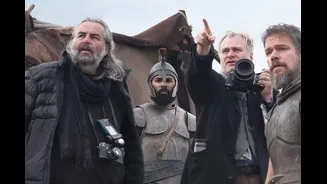
Instead of relying heavily on digital environments, Nolan filmed across countries including Greece, Italy, Morocco, Iceland and Scotland, using dramatic coastlines, ancient ruins and natural landscapes to recreate the mythical world of Odysseus.
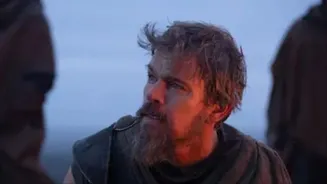
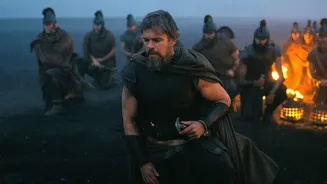
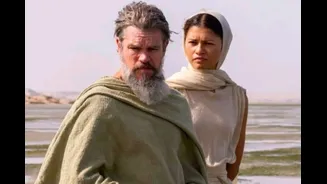
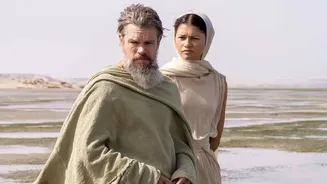
Based on Homer's legendary Greek epic, The Odyssey follows Odysseus' long and dangerous journey home after the Trojan War. The film, starring Matt Damon as Odysseus, has turned several real-world locations into destinations for fans of mythology, cinema and travel.
Here are five places featured in the production that travellers can visit in real life.
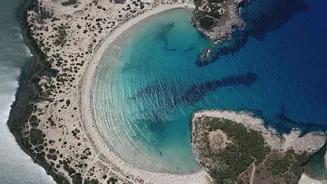
Garnering attention for its distinctive omega-shaped coastline, turquoise waters and golden sands, this beach was among the locations used during filming in Greece.
The area is also linked with ancient legends, making it a fitting backdrop for a story built around gods, heroes and epic journeys.
Nearby, visitors can explore Nestor's Cave, a site associated with Greek mythology and the legendary King Nestor, who appears in Homer's works.
The combination of archaeological heritage and untouched coastline makes the region one of Greece's most fascinating destinations for history lovers.
The ancient fortified village of Aït Benhaddou has long been a favourite location for filmmakers, thanks to its striking mud-brick architecture and desert landscapes.
For The Odyssey, Nolan used the UNESCO World Heritage Site near Ouarzazate to represent Troy, the legendary city whose fall begins Odysseus' journey home.
Located along the former caravan route between the Sahara and Marrakech, Aït Benhaddou offers visitors a glimpse into Morocco's historic architecture and has previously appeared in several major films and television productions.
Tucked away in Sicily's Aegadian Islands, Favignana combines rugged cliffs, crystal-clear waters and Mediterranean charm.
The island was used during the filming of The Odyssey and is traditionally associated by some scholars and enthusiasts with the "goat island" mentioned in Homer's epic, where Odysseus and his crew stopped during their voyage.
Beyond its connection to mythology and cinema, Favignana is known for its beaches, caves and traditional fishing heritage. Its dramatic coastline makes it easy to understand why it was chosen for a story centred on exploration and survival.
The volcanic Aeolian Islands, including Lipari, Vulcano and Basiluzzo, provided another major filming backdrop for Nolan's epic.
These islands are known for their volcanic landscapes, black sand beaches and rugged beauty. In Homer's Odyssey, Aeolia is the home of Aeolus, the keeper of the winds, and the islands' mysterious atmosphere makes them a natural fit for the mythological world of Odysseus.
Travellers can explore volcanic terrain, coastal villages and dramatic sea views while experiencing a landscape shaped by thousands of years of geological activity.
Iceland may seem far removed from the Mediterranean world of ancient Greece, but its glaciers, volcanic terrain and black sand coastlines have become a favourite for filmmakers seeking otherworldly scenery.
Nolan's production travelled to Iceland as part of its global shoot, using the country's extreme landscapes to bring some of the more mythical elements of The Odyssey to life.
From glaciers and lava fields to remote beaches, Iceland offers a landscape unlike almost anywhere else on Earth. It has also featured in previous Nolan projects, including Interstellar, making it a familiar destination for fans of his visual storytelling.
Christopher Nolan's The Odyssey is not just a retelling of one of the world's oldest stories. It is also a journey through some of the planet's most extraordinary landscapes.
From Greek shores connected to ancient legends to Moroccan villages that look frozen in time, these locations show why real-world settings continue to inspire filmmakers and travellers alike.
For fans hoping to follow in Odysseus' footsteps, the adventure does not have to remain on screen. These destinations offer a chance to experience the landscapes that helped bring Nolan's mythological world to life.
Instead of relying heavily on digital environments, Nolan filmed across countries including Greece, Italy, Morocco, Iceland and Scotland, using dramatic coastlines, ancient ruins and natural landscapes to recreate the mythical world of Odysseus.
Based on Homer's legendary Greek epic, The Odyssey follows Odysseus' long and dangerous journey home after the Trojan War. The film, starring Matt Damon as Odysseus, has turned several real-world locations into destinations for fans of mythology, cinema and travel.
Here are five places featured in the production that travellers can visit in real life.
1. Voidokilia Beach, Greece
Garnering attention for its distinctive omega-shaped coastline, turquoise waters and golden sands, this beach was among the locations used during filming in Greece.
The area is also linked with ancient legends, making it a fitting backdrop for a story built around gods, heroes and epic journeys.
Nearby, visitors can explore Nestor's Cave, a site associated with Greek mythology and the legendary King Nestor, who appears in Homer's works.
The combination of archaeological heritage and untouched coastline makes the region one of Greece's most fascinating destinations for history lovers.
2. Aït Benhaddou, Morocco
The ancient fortified village of Aït Benhaddou has long been a favourite location for filmmakers, thanks to its striking mud-brick architecture and desert landscapes.
For The Odyssey, Nolan used the UNESCO World Heritage Site near Ouarzazate to represent Troy, the legendary city whose fall begins Odysseus' journey home.
Located along the former caravan route between the Sahara and Marrakech, Aït Benhaddou offers visitors a glimpse into Morocco's historic architecture and has previously appeared in several major films and television productions.
3. Favignana Island, Sicily, Italy
Tucked away in Sicily's Aegadian Islands, Favignana combines rugged cliffs, crystal-clear waters and Mediterranean charm.
The island was used during the filming of The Odyssey and is traditionally associated by some scholars and enthusiasts with the "goat island" mentioned in Homer's epic, where Odysseus and his crew stopped during their voyage.
Beyond its connection to mythology and cinema, Favignana is known for its beaches, caves and traditional fishing heritage. Its dramatic coastline makes it easy to understand why it was chosen for a story centred on exploration and survival.
4. The Aeolian Islands, Italy
The volcanic Aeolian Islands, including Lipari, Vulcano and Basiluzzo, provided another major filming backdrop for Nolan's epic.
These islands are known for their volcanic landscapes, black sand beaches and rugged beauty. In Homer's Odyssey, Aeolia is the home of Aeolus, the keeper of the winds, and the islands' mysterious atmosphere makes them a natural fit for the mythological world of Odysseus.
Travellers can explore volcanic terrain, coastal villages and dramatic sea views while experiencing a landscape shaped by thousands of years of geological activity.
5. Iceland's dramatic landscapes
Iceland may seem far removed from the Mediterranean world of ancient Greece, but its glaciers, volcanic terrain and black sand coastlines have become a favourite for filmmakers seeking otherworldly scenery.
Nolan's production travelled to Iceland as part of its global shoot, using the country's extreme landscapes to bring some of the more mythical elements of The Odyssey to life.
From glaciers and lava fields to remote beaches, Iceland offers a landscape unlike almost anywhere else on Earth. It has also featured in previous Nolan projects, including Interstellar, making it a familiar destination for fans of his visual storytelling.
A cinematic journey across the real world
Christopher Nolan's The Odyssey is not just a retelling of one of the world's oldest stories. It is also a journey through some of the planet's most extraordinary landscapes.
From Greek shores connected to ancient legends to Moroccan villages that look frozen in time, these locations show why real-world settings continue to inspire filmmakers and travellers alike.
For fans hoping to follow in Odysseus' footsteps, the adventure does not have to remain on screen. These destinations offer a chance to experience the landscapes that helped bring Nolan's mythological world to life.