






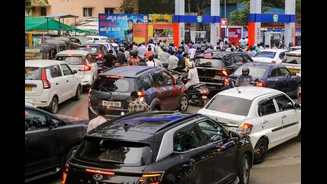
What is the story about?
India has been buzzing since Sunday (May 10) when Prime Minister Narendra Modi urged Indians to cut down on consumption, save fuel, and foreign reserves by delaying gold purchases and refraining from international travel. He then reiterated his appeal a day later, asking colleges and schools to turn to online teaching as a measure to save petrol and diesel prices.
These measures, reminiscent of the Covid-era, are aimed at reducing India’s fuel use and help saving foreign reserves.
While the PM and the government note that these measures are aimed at conservation, panic has spread, with many speculating that a lockdown is approaching soon.
So, what’s going on?
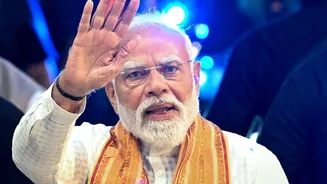
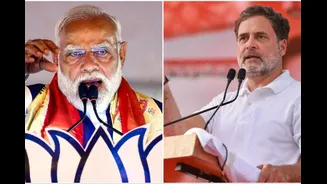
On Sunday, speaking from Telangana’s Secunderabad, PM Modi said that India needs to collectively prepare to deal with the economic fallout of the West Asia crisis by reducing dependence on imported fuel and saving foreign exchange.
He said the country’s response to the changing global situation should go beyond government action and require public participation through changes in everyday consumption and travel behaviour.
“In this time of global crisis, we have to make a resolution keeping duty paramount and fulfil it with complete dedication,” said the PM. “A big resolution is to use petrol and diesel sparingly. We must curb our use of petrol and diesel,” he added.
The Indian leader urged citizens to revive work-from-home practices and avoid non-essential foreign travel for at least a year, as well as defer purchasing gold for a year.
Shortly later, the government put out a post, citing seven appeals made by the PM:
>> Prioritise work from home wherever possible
>> Avoid buying gold for one year
>> Reduce petrol and diesel consumption; use metro/public transport
>> Cut down the use of cooking oil
>> Reduce dependence on chemical fertilisers and move toward natural farming
>> Use fewer foreign-branded products, adopt Swadeshi
>> Avoid foreign travel for one year
PM Modi’s remarks quickly went viral, with everyone talking about it and discussing it. Some even called the PM’s comments the “most drastic” so far. Soon after, the markets reacted — Indian shares fell, and the rupee declined. In fact, on Monday, the rupee logged a record closing low of 95.31 per dollar — its steepest single-day drop since March 27.
India also witnessed a gold rush, with many going on a frenzy to buy the yellow metal. Traders in South India reported heavy footfalls, with families advancing purchases even for weddings scheduled as late as November and December.
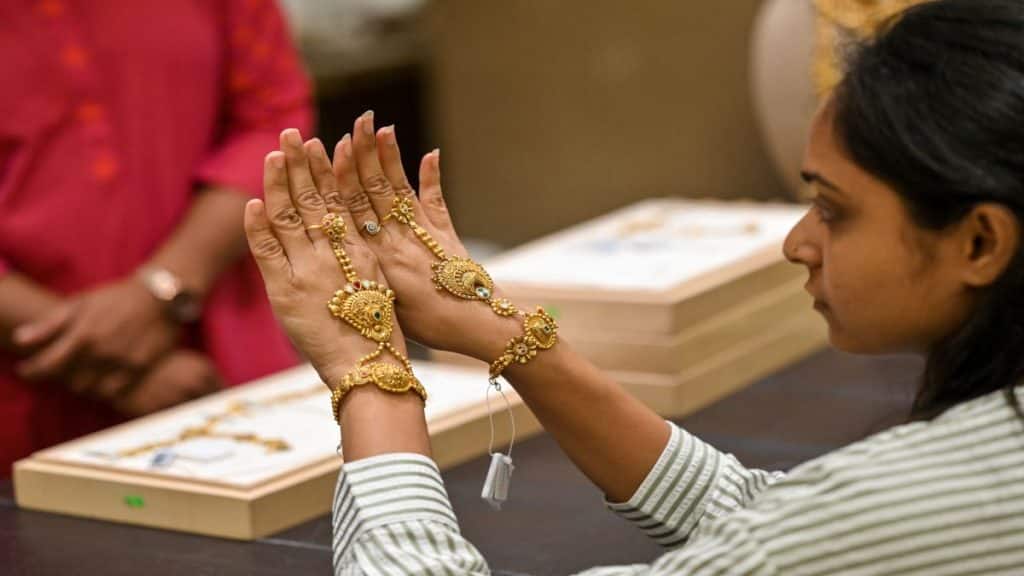
In West Bengal, too, jewellers noted that there was a rush of people buying gold ornaments. Even in Mumbai's Zaveri Bazaar, one of the country's largest bullion and jewellery hubs, traders estimated sales have risen about 20 per cent over the last two days.
“In the last two days, sales of bridal jewellery are up 15 per cent-20 per cent compared with average daily sales,” said Rajesh Rokde, chairman of the All India Gem & Jewellery Domestic Council, to the
Economic Times.
Moreover, rumours of a lockdown also began to spread online, with many suggesting that Modi’s work-from-home appeal meant a lockdown was in the pipeline.
Online speculation of an impending crisis looming over India received a boost after business tycoon Uday Kotak issued a stark warning for Indians. Speaking at the CII Annual Business Summit 2026, the finance industry veteran stated that the impact of the war was coming and it was “big”.
He described the situation as “a much bigger, much more complex problem than it sounds,” while underlining the need for the country to prepare for external shocks.
He said the Prime Minister’s appeal to reduce unnecessary consumption should be seen in the context of strengthening India’s economic balance sheet. There are some simple things that a country can do, which is to moderate unnecessary consumption, which is counterproductive. I will see it in terms of the country’s P&L and balance sheet.”
Kotak warned that the impact of the West Asia conflict on global energy prices is yet to fully reach consumers and businesses in India. “We have not seen the impact in the last two months of the Middle East war in terms of energy price transmission. It’s coming. And it's coming big,” he said.
Apart from Kotak’s remarks, the government’s decision to increase customs duties on gold and silver suggested a looming crisis. The customs duties on gold and silver have risen to 15 per cent from 6 per cent, and platinum imports to 15.4 per cent from 6.4 per cent.
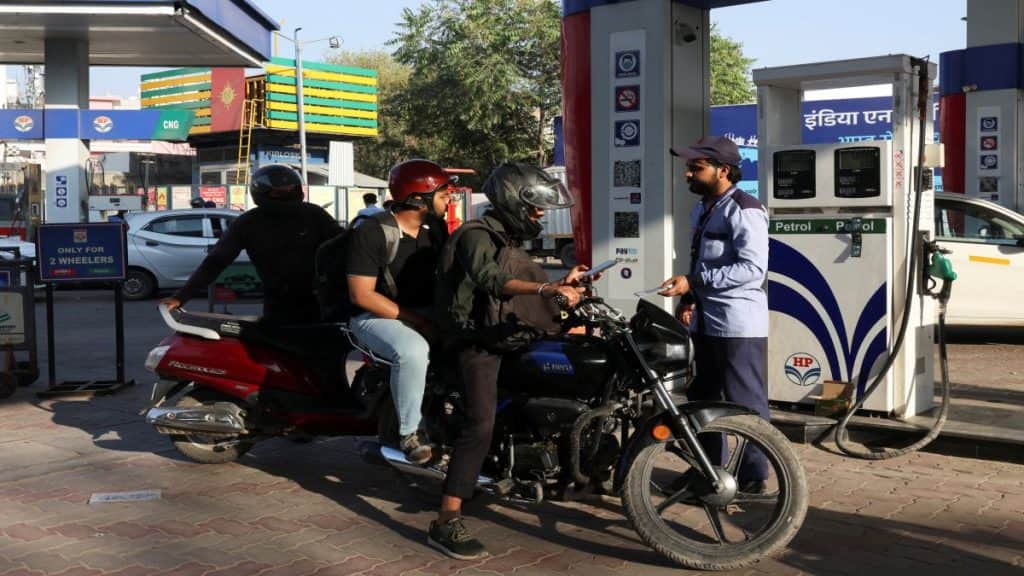
There’s also speculation that the government will increase the price of petrol and diesel by May 15. According to an India Today report, it is likely that petrol and diesel prices could rise by Rs 4–5 per litre, while LPG cylinder prices may increase by Rs 40–50 as the government and oil companies assess the impact of elevated crude oil prices.
And rumours on the same circulated even quicker, with Reserve Bank of India Governor Sanjay Malhotra noting that India would eventually have to raise retail petrol and diesel prices if the conflict in Iran continued for a prolonged period.
“If this is to continue for a longer period of time, it is just a matter of time before the government will pass on some of the price increases,” Malhotra said at a conference hosted by the Swiss National Bank and the International Monetary Fund in Switzerland on Tuesday.
The Modi government has sought to assuage people’s panic after the PM’s appeals, urging Indians not to resort to panic buying and hoarding.
Defence Minister Rajnath Singh stated, “I urge the people to remain calm and avoid any kind of panic as the government is taking concrete steps to prevent shortages or disruptions in supply chains. The PM’s appeal for collective participation of the people to help the country face global disruptions and challenges is going to be a significant step towards self-reliance and ensuring energy security. It is the PM’s broader message about conservation during a difficult global period.”
The government also put an official statement refuting claims of a shortage of essentials. “India has 60 days of crude oil, 60 days of natural gas, and 45 days of LPG rolling stock. The foreign exchange reserves stand at a comfortable $703 billion.”
Union Minister Hardeep Singh Puri also dismissed speculation of any kind of lockdown. “It’s not like a lockdown is going to take place tomorrow,” Puri said, seeking to dispel fears.
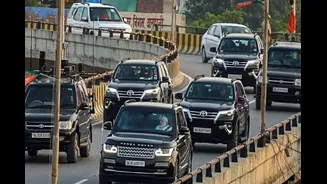
Notably, the government is also following its advice. The PM has ordered a 50 per cent cut in the size of his official SPG
carcade. Central ministries and BJP-ruled states, including Uttar Pradesh, Maharashtra, Madhya Pradesh, and Rajasthan, have also slashed official vehicle usage. Some state governments have also curtailed the foreign travel of its ministers.
It’s left to be seen what comes next for India amid the Iran crisis. Will the country be able to weather a storm?
With inputs from agencies
These measures, reminiscent of the Covid-era, are aimed at reducing India’s fuel use and help saving foreign reserves.
While the PM and the government note that these measures are aimed at conservation, panic has spread, with many speculating that a lockdown is approaching soon.
So, what’s going on?
What was PM Modi’s fervent appeal to Indians?
On Sunday, speaking from Telangana’s Secunderabad, PM Modi said that India needs to collectively prepare to deal with the economic fallout of the West Asia crisis by reducing dependence on imported fuel and saving foreign exchange.
He said the country’s response to the changing global situation should go beyond government action and require public participation through changes in everyday consumption and travel behaviour.
“In this time of global crisis, we have to make a resolution keeping duty paramount and fulfil it with complete dedication,” said the PM. “A big resolution is to use petrol and diesel sparingly. We must curb our use of petrol and diesel,” he added.
As West Asia war impact escalates, PM Modi asks citizens to work from home, conserve fuel, avoid buying gold, foreign tourism, destination wedding, & use of chemical fertilisers
2nd time in 24 hours, restated the comments: pic.twitter.com/XttklEjYNL
— Sidhant Sibal (@sidhant) May 11, 2026
The Indian leader urged citizens to revive work-from-home practices and avoid non-essential foreign travel for at least a year, as well as defer purchasing gold for a year.
Shortly later, the government put out a post, citing seven appeals made by the PM:
>> Prioritise work from home wherever possible
>> Avoid buying gold for one year
>> Reduce petrol and diesel consumption; use metro/public transport
>> Cut down the use of cooking oil
>> Reduce dependence on chemical fertilisers and move toward natural farming
>> Use fewer foreign-branded products, adopt Swadeshi
>> Avoid foreign travel for one year
How did India react? Shock, panic, and rumours
PM Modi’s remarks quickly went viral, with everyone talking about it and discussing it. Some even called the PM’s comments the “most drastic” so far. Soon after, the markets reacted — Indian shares fell, and the rupee declined. In fact, on Monday, the rupee logged a record closing low of 95.31 per dollar — its steepest single-day drop since March 27.
India also witnessed a gold rush, with many going on a frenzy to buy the yellow metal. Traders in South India reported heavy footfalls, with families advancing purchases even for weddings scheduled as late as November and December.
A woman tries on gold ornaments at a jewellery store in Ahmedabad after PM Modi announced that Indians should defer from buying the precious yellow metal for a year. Reuters
In West Bengal, too, jewellers noted that there was a rush of people buying gold ornaments. Even in Mumbai's Zaveri Bazaar, one of the country's largest bullion and jewellery hubs, traders estimated sales have risen about 20 per cent over the last two days.
“In the last two days, sales of bridal jewellery are up 15 per cent-20 per cent compared with average daily sales,” said Rajesh Rokde, chairman of the All India Gem & Jewellery Domestic Council, to the
Moreover, rumours of a lockdown also began to spread online, with many suggesting that Modi’s work-from-home appeal meant a lockdown was in the pipeline.
A bigger shock awaits India?
Online speculation of an impending crisis looming over India received a boost after business tycoon Uday Kotak issued a stark warning for Indians. Speaking at the CII Annual Business Summit 2026, the finance industry veteran stated that the impact of the war was coming and it was “big”.
He described the situation as “a much bigger, much more complex problem than it sounds,” while underlining the need for the country to prepare for external shocks.
“Be prepared” !!
When industry leaders like Uday Kotak echo PM @narendramodi 's call for austerity & responsible economic behaviour, it is a reminder that discipline today will secure India’s future tomorrow 🇮🇳 pic.twitter.com/cj0gkLPkVQ
— Truth Unplugged (@Truth_Unplugged) May 13, 2026
He said the Prime Minister’s appeal to reduce unnecessary consumption should be seen in the context of strengthening India’s economic balance sheet. There are some simple things that a country can do, which is to moderate unnecessary consumption, which is counterproductive. I will see it in terms of the country’s P&L and balance sheet.”
Kotak warned that the impact of the West Asia conflict on global energy prices is yet to fully reach consumers and businesses in India. “We have not seen the impact in the last two months of the Middle East war in terms of energy price transmission. It’s coming. And it's coming big,” he said.
Apart from Kotak’s remarks, the government’s decision to increase customs duties on gold and silver suggested a looming crisis. The customs duties on gold and silver have risen to 15 per cent from 6 per cent, and platinum imports to 15.4 per cent from 6.4 per cent.
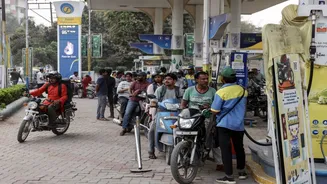
There’s also speculation that the government will increase the price of petrol and diesel by May 15. According to an India Today report, it is likely that petrol and diesel prices could rise by Rs 4–5 per litre, while LPG cylinder prices may increase by Rs 40–50 as the government and oil companies assess the impact of elevated crude oil prices.
And rumours on the same circulated even quicker, with Reserve Bank of India Governor Sanjay Malhotra noting that India would eventually have to raise retail petrol and diesel prices if the conflict in Iran continued for a prolonged period.
“If this is to continue for a longer period of time, it is just a matter of time before the government will pass on some of the price increases,” Malhotra said at a conference hosted by the Swiss National Bank and the International Monetary Fund in Switzerland on Tuesday.
A man pays after refuelling his bike at a fuel station in New Delhi. There's also speculation that fuel prices will also increase by May 15. Reuters
How has the Modi government responded?
The Modi government has sought to assuage people’s panic after the PM’s appeals, urging Indians not to resort to panic buying and hoarding.
Defence Minister Rajnath Singh stated, “I urge the people to remain calm and avoid any kind of panic as the government is taking concrete steps to prevent shortages or disruptions in supply chains. The PM’s appeal for collective participation of the people to help the country face global disruptions and challenges is going to be a significant step towards self-reliance and ensuring energy security. It is the PM’s broader message about conservation during a difficult global period.”
The government also put an official statement refuting claims of a shortage of essentials. “India has 60 days of crude oil, 60 days of natural gas, and 45 days of LPG rolling stock. The foreign exchange reserves stand at a comfortable $703 billion.”
Union Minister Hardeep Singh Puri also dismissed speculation of any kind of lockdown. “It’s not like a lockdown is going to take place tomorrow,” Puri said, seeking to dispel fears.
Notably, the government is also following its advice. The PM has ordered a 50 per cent cut in the size of his official SPG
It’s left to be seen what comes next for India amid the Iran crisis. Will the country be able to weather a storm?
With inputs from agencies