






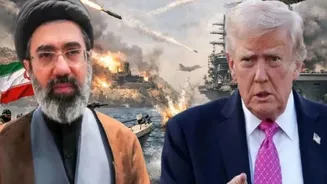


What is the story about?
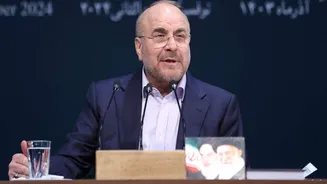
Iran’s parliament speaker and senior negotiator Mohammad Baqer Ghalibaf on Saturday warned the United States of a “more crushing and bitter” response if Washington “foolishly” resumes the war, saying Iran’s armed forces had rebuilt their capabilities during the ceasefire period.
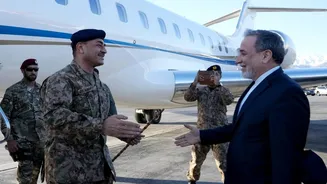
The remarks came after Ghalibaf met Pakistan’s army chief Field Marshal Asim Munir in Tehran. Munir, who has been playing a major role in diplomatic efforts to turn the April 8 ceasefire into a broader settlement, concluded his visit to Iran after talks with senior Iranian officials. Tehran has accused the US of making “excessive demands” in ongoing negotiations.
“Our armed forces have rebuilt themselves during the ceasefire period in such a way that if Trump commits another act of folly and restarts the war, it will certainly be more crushing and bitter for the United States than on the first day of the war,” Ghalibaf said in a social media post.
Iranian state media quoted him as saying that Iran would not compromise on the rights of its people and that the military was prepared to respond more forcefully if hostilities resumed.
Meanwhile, Qatar’s Emir Sheikh Tamim bin Hamad Al Thani held a telephone conversation with US President Donald Trump to discuss regional tensions and Pakistan-led diplomatic efforts aimed at preventing further escalation, Qatar’s foreign ministry said.
According to Al Jazeera, the two leaders reviewed attempts to reduce tensions and maintain regional stability, with particular focus on Islamabad’s mediation efforts between Washington and Tehran.
The discussion also stressed the importance of continued dialogue to safeguard maritime navigation, strategic waterways, and the stability of global energy supply chains. The Qatari emir reaffirmed Doha’s support for diplomatic initiatives and peaceful resolution efforts.
The warning from Tehran came amid reports by US media outlets Axios and CBS News that the White House is considering renewed military strikes against Iran.
The conflict erupted after the US and Israel launched attacks on Iran on February 28, prompting weeks of tensions and negotiations. Despite several rounds of talks, including rare face-to-face discussions hosted by Islamabad, no permanent resolution has been reached and full access to the Strait of Hormuz has yet to be restored, affecting global oil supplies.
US officials have repeatedly signalled the possibility of renewed action if negotiations fail. Speaking on the sidelines of a NATO conference in Sweden, Secretary of State Marco Rubio said there had been “some progress” towards a peaceful resolution, but added that “things were not there yet”.
Iranian Foreign Minister Abbas Araghchi, during a call with Antonio Guterres, said Tehran remained engaged in diplomacy despite what he described as repeated betrayals and military aggression by the US, as well as Washington’s “contradictory positions” and “excessive demands”.
The remarks came after Ghalibaf met Pakistan’s army chief Field Marshal Asim Munir in Tehran. Munir, who has been playing a major role in diplomatic efforts to turn the April 8 ceasefire into a broader settlement, concluded his visit to Iran after talks with senior Iranian officials. Tehran has accused the US of making “excessive demands” in ongoing negotiations.
“Our armed forces have rebuilt themselves during the ceasefire period in such a way that if Trump commits another act of folly and restarts the war, it will certainly be more crushing and bitter for the United States than on the first day of the war,” Ghalibaf said in a social media post.
Iranian state media quoted him as saying that Iran would not compromise on the rights of its people and that the military was prepared to respond more forcefully if hostilities resumed.
Qatar emir discusses mediation efforts with Trump
Meanwhile, Qatar’s Emir Sheikh Tamim bin Hamad Al Thani held a telephone conversation with US President Donald Trump to discuss regional tensions and Pakistan-led diplomatic efforts aimed at preventing further escalation, Qatar’s foreign ministry said.
According to Al Jazeera, the two leaders reviewed attempts to reduce tensions and maintain regional stability, with particular focus on Islamabad’s mediation efforts between Washington and Tehran.
The discussion also stressed the importance of continued dialogue to safeguard maritime navigation, strategic waterways, and the stability of global energy supply chains. The Qatari emir reaffirmed Doha’s support for diplomatic initiatives and peaceful resolution efforts.
US weighs renewed strikes amid stalled talks
The warning from Tehran came amid reports by US media outlets Axios and CBS News that the White House is considering renewed military strikes against Iran.
The conflict erupted after the US and Israel launched attacks on Iran on February 28, prompting weeks of tensions and negotiations. Despite several rounds of talks, including rare face-to-face discussions hosted by Islamabad, no permanent resolution has been reached and full access to the Strait of Hormuz has yet to be restored, affecting global oil supplies.
US officials have repeatedly signalled the possibility of renewed action if negotiations fail. Speaking on the sidelines of a NATO conference in Sweden, Secretary of State Marco Rubio said there had been “some progress” towards a peaceful resolution, but added that “things were not there yet”.
Iranian Foreign Minister Abbas Araghchi, during a call with Antonio Guterres, said Tehran remained engaged in diplomacy despite what he described as repeated betrayals and military aggression by the US, as well as Washington’s “contradictory positions” and “excessive demands”.