



What is the story about?
Iran on Saturday said the United States must decide whether to pursue a negotiated settlement or move back toward open conflict, adding that Tehran is prepared to respond to either course.
Deputy Foreign Minister Kazem Gharibabadi told diplomats in Tehran that Washington now faces a choice between diplomacy and continued confrontation, according to state broadcaster IRIB.
“The ball is in the United States’ court,” he said, adding that Iran would act in line with its national interests and security considerations and was ready for both outcomes.
The remarks came as signs of a fragile diplomatic track were overshadowed by warnings of renewed fighting. A senior Iranian military commander said a fresh conflict with the United States was “likely,” pointing to what he described as Washington’s lack of commitment to past agreements.
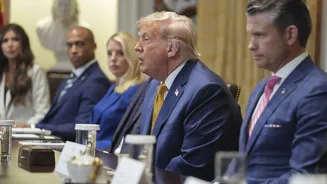
The latest exchange follows comments by US President Donald Trump, who said he was dissatisfied with a new Iranian proposal aimed at reviving negotiations. The draft was delivered through Pakistani mediators, though its contents were not disclosed.
“At this moment I’m not satisfied with what they’re offering,” Trump said, attributing the lack of progress to divisions within Iran’s leadership. He said the choice before him was between escalating military action or continuing efforts to reach a deal, indicating a preference for the latter.
The conflict, launched by the United States and Israel in late February, has been paused since April 8 under a ceasefire, but diplomatic efforts have failed to produce a breakthrough. A previous round of talks held in Pakistan ended without progress.
Iranian officials have maintained that negotiations remain possible but have rejected any settlement imposed on their terms. Judiciary chief Gholamhossein Mohseni Ejei said Tehran had not avoided talks but would not accept dictated conditions.
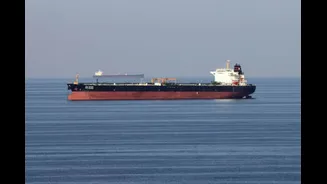
The standoff continues to have wider economic implications. Iran’s control over the Strait of Hormuz has sharply disrupted global energy flows, pushing oil prices significantly higher despite a brief drop following news of the latest proposal. The United States has responded with counter-measures targeting Iranian shipping.
Iran has also defended its nuclear programme, arguing there are no legal limits on uranium enrichment if conducted under international supervision. Its mission to the United Nations accused Washington of double standards, pointing to the size of the US nuclear arsenal.
Domestically, Iranian officials have signalled a hardening stance on strategic assets. Senior parliamentarian Ali Nikzad said Tehran would not relinquish control over the Strait of Hormuz and suggested new legislation could channel revenue from the waterway into military and economic priorities.
Even as the Gulf front remains under a ceasefire, tensions persist elsewhere. In Lebanon, clashes have continued between Israeli forces and Hezbollah despite a separate truce, highlighting the broader regional instability linked to the conflict.
With negotiations stalled and positions unchanged, the immediate trajectory depends largely on Washington’s next move, as both sides keep diplomatic and military options open.
In Washington, lawmakers were wrestling with a legal dispute over whether Trump had breached a deadline to seek congressional approval for the war.
Administration officials argue that the ceasefire pauses a 60-day limit, after which congressional authorisation would be required -- a claim disputed by opposition Democrats.
"There has been no exchange of fire between United States Forces and Iran since April 7, 2026," Trump said in letters to congressional leaders, adding that the hostilities "have terminated".
In Iran, the war's economic toll is deepening, with oil exports crimped and inflation surging past 50 percent.
"Everyone is trying to endure it, but... they are falling apart," 40-year-old Amir, a Tehran resident, told an AFP reporter based outside the country.
"We still have not seen much of the economic effects because everyone had a bit of savings. They had some gold and dollars for a rainy day. When they run out, things will change."
With inputs from agencies
Deputy Foreign Minister Kazem Gharibabadi told diplomats in Tehran that Washington now faces a choice between diplomacy and continued confrontation, according to state broadcaster IRIB.
“The ball is in the United States’ court,” he said, adding that Iran would act in line with its national interests and security considerations and was ready for both outcomes.
The remarks came as signs of a fragile diplomatic track were overshadowed by warnings of renewed fighting. A senior Iranian military commander said a fresh conflict with the United States was “likely,” pointing to what he described as Washington’s lack of commitment to past agreements.
The latest exchange follows comments by US President Donald Trump, who said he was dissatisfied with a new Iranian proposal aimed at reviving negotiations. The draft was delivered through Pakistani mediators, though its contents were not disclosed.
“At this moment I’m not satisfied with what they’re offering,” Trump said, attributing the lack of progress to divisions within Iran’s leadership. He said the choice before him was between escalating military action or continuing efforts to reach a deal, indicating a preference for the latter.
The conflict, launched by the United States and Israel in late February, has been paused since April 8 under a ceasefire, but diplomatic efforts have failed to produce a breakthrough. A previous round of talks held in Pakistan ended without progress.
Iranian officials have maintained that negotiations remain possible but have rejected any settlement imposed on their terms. Judiciary chief Gholamhossein Mohseni Ejei said Tehran had not avoided talks but would not accept dictated conditions.
The standoff continues to have wider economic implications. Iran’s control over the Strait of Hormuz has sharply disrupted global energy flows, pushing oil prices significantly higher despite a brief drop following news of the latest proposal. The United States has responded with counter-measures targeting Iranian shipping.
Iran has also defended its nuclear programme, arguing there are no legal limits on uranium enrichment if conducted under international supervision. Its mission to the United Nations accused Washington of double standards, pointing to the size of the US nuclear arsenal.
Domestically, Iranian officials have signalled a hardening stance on strategic assets. Senior parliamentarian Ali Nikzad said Tehran would not relinquish control over the Strait of Hormuz and suggested new legislation could channel revenue from the waterway into military and economic priorities.
Even as the Gulf front remains under a ceasefire, tensions persist elsewhere. In Lebanon, clashes have continued between Israeli forces and Hezbollah despite a separate truce, highlighting the broader regional instability linked to the conflict.
With negotiations stalled and positions unchanged, the immediate trajectory depends largely on Washington’s next move, as both sides keep diplomatic and military options open.
'Terminated'
In Washington, lawmakers were wrestling with a legal dispute over whether Trump had breached a deadline to seek congressional approval for the war.
Administration officials argue that the ceasefire pauses a 60-day limit, after which congressional authorisation would be required -- a claim disputed by opposition Democrats.
"There has been no exchange of fire between United States Forces and Iran since April 7, 2026," Trump said in letters to congressional leaders, adding that the hostilities "have terminated".
In Iran, the war's economic toll is deepening, with oil exports crimped and inflation surging past 50 percent.
"Everyone is trying to endure it, but... they are falling apart," 40-year-old Amir, a Tehran resident, told an AFP reporter based outside the country.
"We still have not seen much of the economic effects because everyone had a bit of savings. They had some gold and dollars for a rainy day. When they run out, things will change."
With inputs from agencies