





What is the story about?
The central government has tightened the paper leak law at today's Cabinet meeting. The Cabinet has cleared proposed amendments to the Public Examinations (Prevention of Unfair Means) Act, 2024, to give it more teeth.
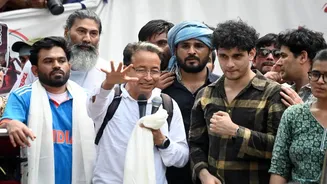
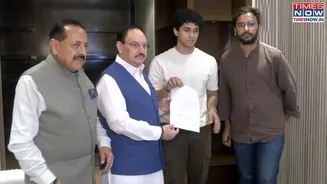
This came after Union Ministers JP Nadda and Jitendra Singh concluded their meeting with Cockroach Janta Party (CJP) representatives Ashutosh Ranka and Saurav Das.
The amendments will consider longer jail terms, enhanced financial penalties and mandatory time-bound trials in cases involving organised examination fraud, according to sources.
The development came on the heels of PM Modi's video message late last night, addressing question paper leaks and vowing stringent punishment against the culprit.
We take a look.
Sources note that the Centre will introduce amendments to the Public Examinations (Prevention of Unfair Means) Act, 2024.
The changes include setting up fast-track courts to deal with instances of paper leak, which will also be added to the legislation. According to sources, additional powers will be given to special courts to ensure swift and time-bound trials.
Changes are also made regarding imprisonment and fines.
Under new provisions, punishment will increase from 3 to 5 years of imprisonment to 5–10 years in prison. The minimum fine will also be raised from Rs 10 lakh to Rs 10 crore,
News18 reported citing sources.
Currently, under the law, there is 3 to 5 years of imprisonment, and the fine is up to Rs 10 lakh in individual cases.
However, the changed provision mentions 5–10 years of imprisonment and a minimum fine of Rs 10 crore for those part of the organised network involved in examination malpractices, NDTV reported citing sources.
On Thursday (July 23), Modi in a late-night video statement promised that stern action would follow in paper leak cases. On the same day, the PM posted on X announcing fast-track courts for leak cases.
Watch the video here:
“We have decided to set up fast-track courts to ensure swift and stringent punishment for those involved in paper leaks,” in his first direct comments tied to major protests by Cockroach Janta Party (CJP) on NEET-UG paper leak," Modi wrote on X.
PM's last late-night video statement was the second post on the issue in a single day.
"...The cabinet will discuss the issue of paper leaks on Friday and taking suggestions of the cabinet colleagues, further action would be finalised," Modi announced in a selfie video statement.
"On Monday, when the second week of the Monsoon session of Parliament will begin, a bill will be brought with provisions for strong action against paper leaks, and we will try to pass it as early as possible," the PM said.
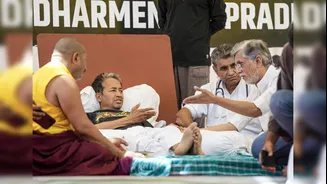
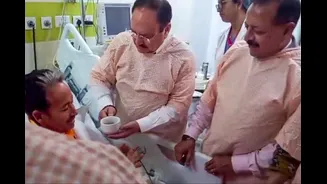
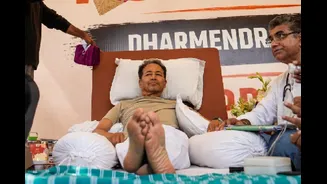
PM's video message came less than two hours before educator and climate activist Sonam Wangchuk ended his long hunger fast at the Medanta Hospital in Gurugram in the presence of Union Ministers JP Nadda and Jitendra Singh.
Watch his video here:
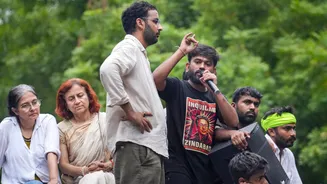
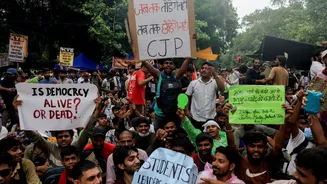
On July 20, in their letter to Nadda, CJP representatives asked for the sacking of Education Minister Dharmendra Pradhan.
"The youth of this country believe that Dharmendra Pradhan has completely failed in his capacity as the education minister of India. He is directly responsible for multiple paper leaks in the country, including Neet 2026 and other exam fiascos, most recently being CBSE 12th portal chaos and CUET exam delay. Due to the Neet paper leak, 21 students (as per our records) died by suicide," the letter said.
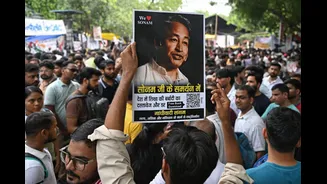
They also demanded immediate release of climate activist Sonam Wangchuk, with no prohibition on his movements.
A Rs 1 crore compensation for the kin of all Neet aspirants who died by suicide is also in their demand list.
In their fourth demand to the government, CJP put forth that no FIRs be registered and no legal action be taken against those who participated in the July 20 protest.
With inputs from agencies
This came after Union Ministers JP Nadda and Jitendra Singh concluded their meeting with Cockroach Janta Party (CJP) representatives Ashutosh Ranka and Saurav Das.
The amendments will consider longer jail terms, enhanced financial penalties and mandatory time-bound trials in cases involving organised examination fraud, according to sources.
The development came on the heels of PM Modi's video message late last night, addressing question paper leaks and vowing stringent punishment against the culprit.
We take a look.
What are the changes for the paper leak law?
Sources note that the Centre will introduce amendments to the Public Examinations (Prevention of Unfair Means) Act, 2024.
The changes include setting up fast-track courts to deal with instances of paper leak, which will also be added to the legislation. According to sources, additional powers will be given to special courts to ensure swift and time-bound trials.
Changes are also made regarding imprisonment and fines.
Under new provisions, punishment will increase from 3 to 5 years of imprisonment to 5–10 years in prison. The minimum fine will also be raised from Rs 10 lakh to Rs 10 crore,
Currently, under the law, there is 3 to 5 years of imprisonment, and the fine is up to Rs 10 lakh in individual cases.
However, the changed provision mentions 5–10 years of imprisonment and a minimum fine of Rs 10 crore for those part of the organised network involved in examination malpractices, NDTV reported citing sources.
What are Modi's key announcements on paper leaks?
On Thursday (July 23), Modi in a late-night video statement promised that stern action would follow in paper leak cases. On the same day, the PM posted on X announcing fast-track courts for leak cases.
Watch the video here:
More strict actions against paper leaks to come in tomorrow’s Cabinet! pic.twitter.com/NRysBukk5U
— Narendra Modi (@narendramodi) July 23, 2026
“We have decided to set up fast-track courts to ensure swift and stringent punishment for those involved in paper leaks,” in his first direct comments tied to major protests by Cockroach Janta Party (CJP) on NEET-UG paper leak," Modi wrote on X.
PM's last late-night video statement was the second post on the issue in a single day.
"...The cabinet will discuss the issue of paper leaks on Friday and taking suggestions of the cabinet colleagues, further action would be finalised," Modi announced in a selfie video statement.
"On Monday, when the second week of the Monsoon session of Parliament will begin, a bill will be brought with provisions for strong action against paper leaks, and we will try to pass it as early as possible," the PM said.
PM's video message came less than two hours before educator and climate activist Sonam Wangchuk ended his long hunger fast at the Medanta Hospital in Gurugram in the presence of Union Ministers JP Nadda and Jitendra Singh.
Watch his video here:
END OF HUNGER... BEGINNING OF ACCOUNTABILITY...!
Sonam Wangchuk ends his fast after 26 days upon getting assurance from the government and members of parliament of all political parties that the issue of accountability in the failing examination system will be discussed on the… pic.twitter.com/0C9YX5VlsL
— Sonam Wangchuk (@Wangchuk66) July 24, 2026
What is CJP demanding?
On July 20, in their letter to Nadda, CJP representatives asked for the sacking of Education Minister Dharmendra Pradhan.
"The youth of this country believe that Dharmendra Pradhan has completely failed in his capacity as the education minister of India. He is directly responsible for multiple paper leaks in the country, including Neet 2026 and other exam fiascos, most recently being CBSE 12th portal chaos and CUET exam delay. Due to the Neet paper leak, 21 students (as per our records) died by suicide," the letter said.
They also demanded immediate release of climate activist Sonam Wangchuk, with no prohibition on his movements.
A Rs 1 crore compensation for the kin of all Neet aspirants who died by suicide is also in their demand list.
In their fourth demand to the government, CJP put forth that no FIRs be registered and no legal action be taken against those who participated in the July 20 protest.
With inputs from agencies