




What is the story about?
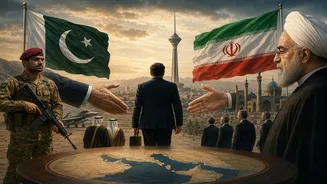
Pakistan’s repeated diplomatic outreach to Iran amid escalating tensions in the Gulf has triggered growing debate over whether Islamabad is genuinely attempting to mediate peace or merely trying to maintain strategic relevance in a shifting geopolitical landscape.
Within a span of just a few days, Pakistani interior minister Mohsin Naqvi made two separate visits to Tehran. The latest visit on May 20 came shortly after his earlier trip on May 16, during which he held meetings with top Iranian leadership.
The unusual frequency of these high-level engagements has prompted questions regarding the actual purpose and effectiveness of Pakistan’s role.
The timing of these visits has drawn particular attention because they coincided with heightened tensions between the United States and Iran. A day after Naqvi’s first Tehran visit, Iran reportedly
sent a revised 14-point peace proposal to the United States through Pakistan.
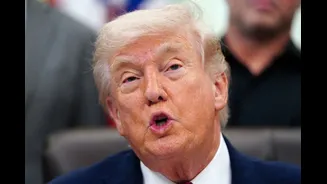
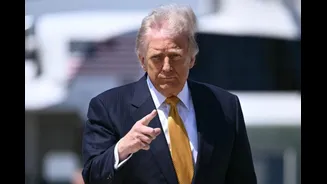
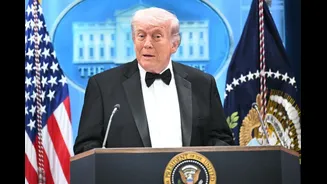
However, the proposal was swiftly rejected by US President Donald Trump, who termed it “unacceptable” and warned of possible military strikes before later postponing them following requests from Qatar and other Gulf allies.
The developments have led many observers to question whether Pakistan’s diplomacy is producing any tangible outcomes or simply generating headlines.
Former ambassador Anil Trigunayat also expressed skepticism regarding Pakistan’s intentions and effectiveness. He said, “Pakistan is trying hard to stay relevant and deliver to Trump. After Xi-Trump meeting certain back door channels have been agreed and they are using it to find traction.”
Pakistan has projected itself as a country seeking de-escalation in the Gulf. Islamabad has repeatedly emphasised dialogue and diplomacy while presenting itself as a communication bridge between Iran and the US.
However, analysts point out that Pakistan’s simultaneous military cooperation with Saudi Arabia complicates this narrative. Islamabad currently has around 8,000 troops stationed in Saudi Arabia under a mutual defence agreement. Reports also indicate that Pakistan has deployed a squadron of fighter jets and an air defence system to support Riyadh.
Critics argue that Pakistan cannot simultaneously strengthen Saudi Arabia militarily while portraying itself as a neutral peace broker in the Iran crisis.
The contradiction has fuelled accusations that Islamabad is attempting to play both sides for strategic advantage. On one hand, it seeks goodwill from Tehran by acting as a diplomatic intermediary. On the other, it continues to deepen defence cooperation with Riyadh, one of Iran’s principal regional rivals.
This dual-track approach has raised doubts about Pakistan’s credibility as a neutral mediator.
Pakistan’s recent diplomatic activity has not been limited to Mohsin Naqvi’s visits alone. Earlier on April 15, Pakistani Army Chief and Field Marshal Asim Munir also travelled to Tehran with a high-level delegation. Islamabad additionally hosted senior delegations from both the United States and Iran in recent weeks.
Despite these engagements, there has been no visible breakthrough in reducing tensions between Washington and Tehran. Instead, the regional situation has continued to remain volatile.
Frequent visits and public meetings generate significant media attention. However, there is little public evidence to suggest that these diplomatic efforts have translated into policy influence.
The optics of mediation have nevertheless benefited Pakistan politically. US President Donald Trump has repeatedly acknowledged Pakistan’s role publicly, offering praise to Islamabad for facilitating communication channels.
Yet even this recognition has been viewed cautiously by some analysts. Questions resurfaced recently after reports highlighted allegations regarding past
US involvement in Pakistan’s domestic politics, including claims that Washington had used Islamabad to advance broader regional objectives and allegedly supported political changes that led to the removal of former Prime Minister Imran Khan from power.
Some strategic observers believe Pakistan may also be attempting to revive its image as a “frontline state” during periods of regional instability.
Historically, Pakistan has often leveraged geopolitical crises to strengthen its strategic importance for major powers, particularly the US. From the Cold War to the post-9/11 era, Islamabad’s geopolitical utility has frequently translated into diplomatic attention, military aid and political leverage.
The current Iran crisis may present another opportunity for Pakistan to position itself as an indispensable intermediary in a sensitive region.
However, whether this strategy will deliver lasting diplomatic gains remains uncertain. For now, Pakistan’s repeated Tehran visits continue to raise more questions than answers about the true nature of its regional role — peace facilitator, strategic opportunist, or simply a state trying to avoid geopolitical irrelevance.
Within a span of just a few days, Pakistani interior minister Mohsin Naqvi made two separate visits to Tehran. The latest visit on May 20 came shortly after his earlier trip on May 16, during which he held meetings with top Iranian leadership.
The unusual frequency of these high-level engagements has prompted questions regarding the actual purpose and effectiveness of Pakistan’s role.
The timing of these visits has drawn particular attention because they coincided with heightened tensions between the United States and Iran. A day after Naqvi’s first Tehran visit, Iran reportedly
However, the proposal was swiftly rejected by US President Donald Trump, who termed it “unacceptable” and warned of possible military strikes before later postponing them following requests from Qatar and other Gulf allies.
The developments have led many observers to question whether Pakistan’s diplomacy is producing any tangible outcomes or simply generating headlines.
Former ambassador Anil Trigunayat also expressed skepticism regarding Pakistan’s intentions and effectiveness. He said, “Pakistan is trying hard to stay relevant and deliver to Trump. After Xi-Trump meeting certain back door channels have been agreed and they are using it to find traction.”
Mediation or strategic positioning?
Pakistan has projected itself as a country seeking de-escalation in the Gulf. Islamabad has repeatedly emphasised dialogue and diplomacy while presenting itself as a communication bridge between Iran and the US.
However, analysts point out that Pakistan’s simultaneous military cooperation with Saudi Arabia complicates this narrative. Islamabad currently has around 8,000 troops stationed in Saudi Arabia under a mutual defence agreement. Reports also indicate that Pakistan has deployed a squadron of fighter jets and an air defence system to support Riyadh.
Critics argue that Pakistan cannot simultaneously strengthen Saudi Arabia militarily while portraying itself as a neutral peace broker in the Iran crisis.
The contradiction has fuelled accusations that Islamabad is attempting to play both sides for strategic advantage. On one hand, it seeks goodwill from Tehran by acting as a diplomatic intermediary. On the other, it continues to deepen defence cooperation with Riyadh, one of Iran’s principal regional rivals.
This dual-track approach has raised doubts about Pakistan’s credibility as a neutral mediator.
Frequent visits, limited outcomes
Pakistan’s recent diplomatic activity has not been limited to Mohsin Naqvi’s visits alone. Earlier on April 15, Pakistani Army Chief and Field Marshal Asim Munir also travelled to Tehran with a high-level delegation. Islamabad additionally hosted senior delegations from both the United States and Iran in recent weeks.
Despite these engagements, there has been no visible breakthrough in reducing tensions between Washington and Tehran. Instead, the regional situation has continued to remain volatile.
Frequent visits and public meetings generate significant media attention. However, there is little public evidence to suggest that these diplomatic efforts have translated into policy influence.
The optics of mediation have nevertheless benefited Pakistan politically. US President Donald Trump has repeatedly acknowledged Pakistan’s role publicly, offering praise to Islamabad for facilitating communication channels.
Yet even this recognition has been viewed cautiously by some analysts. Questions resurfaced recently after reports highlighted allegations regarding past
Seeking the ‘frontline State’ role?
Some strategic observers believe Pakistan may also be attempting to revive its image as a “frontline state” during periods of regional instability.
Historically, Pakistan has often leveraged geopolitical crises to strengthen its strategic importance for major powers, particularly the US. From the Cold War to the post-9/11 era, Islamabad’s geopolitical utility has frequently translated into diplomatic attention, military aid and political leverage.
The current Iran crisis may present another opportunity for Pakistan to position itself as an indispensable intermediary in a sensitive region.
However, whether this strategy will deliver lasting diplomatic gains remains uncertain. For now, Pakistan’s repeated Tehran visits continue to raise more questions than answers about the true nature of its regional role — peace facilitator, strategic opportunist, or simply a state trying to avoid geopolitical irrelevance.