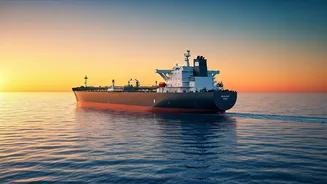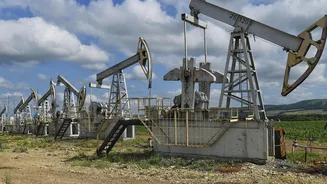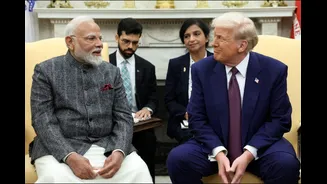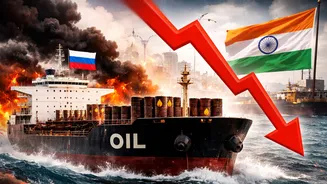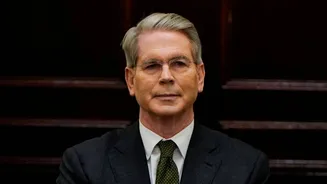

Speaking in an interview with Politico, Bessent said the US imposed 25 percent tariffs on India over its purchases of Russian crude, leading Indian refiners to significantly cut imports. He said the tariffs remain in place but hinted there could be a path towards easing them.
“We put 25 percent tariffs on India for buying Russian oil, and the Indian purchases by their refineries of Russian oil have collapsed. So that is a success,” Bessent said. “The tariffs are still on. I would imagine that there is a path to take them off.”
Criticism of European allies
Bessent also criticised European allies, accusing them of refusing similar measures against India while seeking to finalise a major trade agreement with New Delhi.
“I will also point out that our virtue-signalling European allies refused to do it because they wanted to sign this big trade deal with India,” he said.
Surge in Russian oil imports after Ukraine invasion
He noted that before Russia’s invasion of Ukraine, Russian oil made up just 2 to 3 percent of India’s total crude imports. After the invasion, that share rose to around 18 to 19 percent, which he said helped India generate “huge profits”.
Bessent added that European countries were then buying refined petroleum products from Indian refineries made using Russian crude, calling it “the ultimate act of irony and stupidity”.
“They are financing the war against themselves,” he said.
India–US tariff tensions
In August last year, Donald Trump imposed an additional 25 percent tariff on India, citing New Delhi’s energy ties with Russia. Alongside the tariffs on India, the US also imposed sanctions on Russian oil companies.
In January this year, Bessent claimed that India had stopped buying Russian oil following the imposition of the 25 percent tariffs.
More recently, European Commission President Ursula von der Leyen said the India–EU Free Trade Agreement was close to being finalised, describing it as the “mother of all deals”. The agreement is expected to be a major milestone in strengthening India’s economic ties with the European Union.
The deal would be India’s ninth trade agreement in four years and could help restore competitiveness lost after the EU began withdrawing tariff concessions under its Generalised System of Preferences.