







What is the story about?
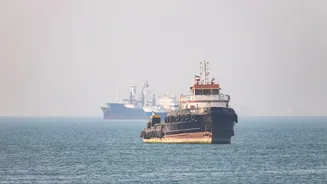
Oman has submitted to the United States and its allies a plan to charge voluntary fee from ships transiting the Strait of Hormuz, according to The New York Times.
While sources told The Times that the fee would be voluntary, Iranian officials have consistently said they would control the transit through the Strait and have not said that any fee would be voluntary.
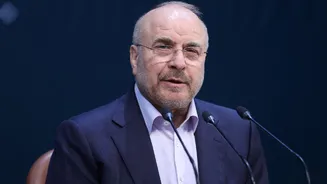
Mehdi Mohammadi, a senior adviser to principal negotiator Mohammad Bagher Ghalibaf, has said that exact words do not matter, and one could “call it tolls, service fees for security or naval passage”, but what matters is that "there is no free service anywhere in the world". has said that exact words do not matter, and one could “call it tolls, service fees for security or naval passage”, but what matters is that "there is no free service anywhere in the world".
Iranian officials have also said that while they plan to control the Strait with Oman, they would control it alone if Oman would not be onboard.
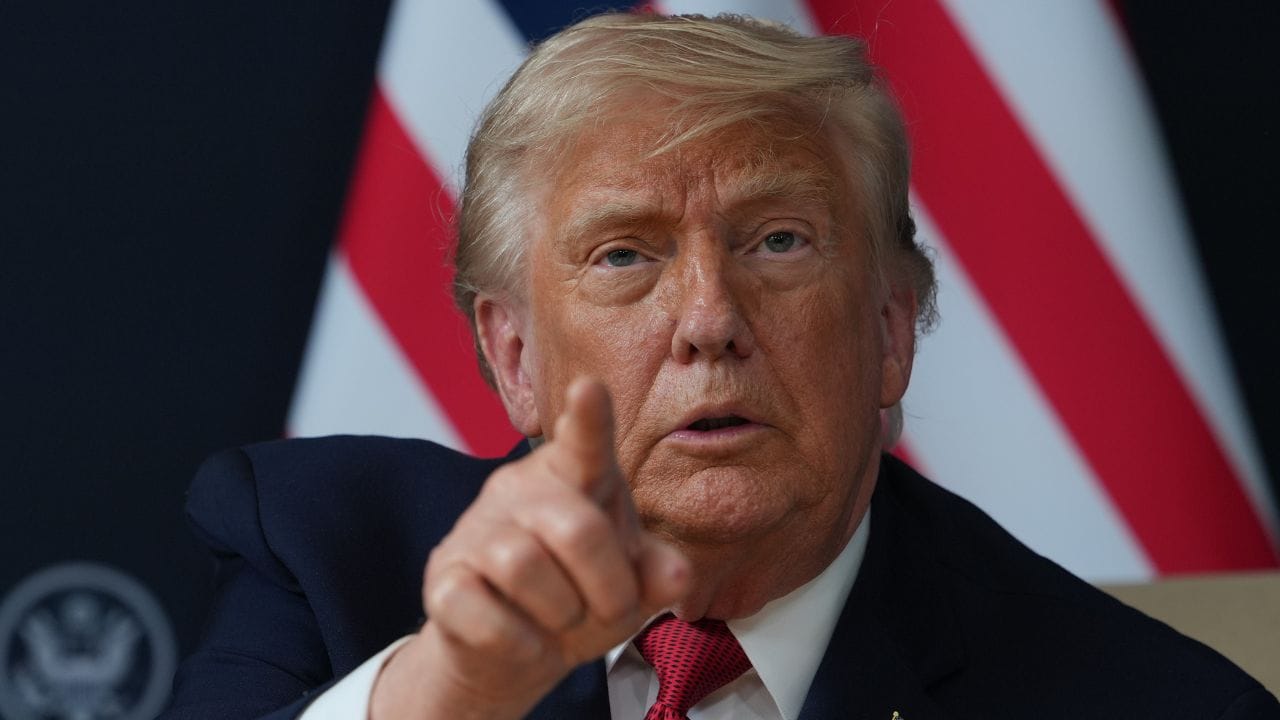
The development comes weeks after US President Donald Trump threatened to "blow up" Oman if it would charge a fee for transit through the Strait.
It also undermines Trump and his officials' consistent statements that transit through the Strait would be free and unconditional.
But Iran has consistently rejected both the assertions. Iranian officials have referred to the memorandum of understanding that Trump and Iranian President Masoud Pezeshkian signed, which says that Iran would only ensure free passage through the Strait for 60 days and would later manage the waterway with Oman, and stressed that they are allowed to charge a fee for passage.
Iran will enter into consultations with Oman to "define the future administration and maritime services in the Strait of Hormuz, in discussion with other Persian Gulf littoral states in line with the applicable international law and the sovereign rights of coastal states of the Strait of Hormuz", the US-Iran MoU says.
The Times has reported that the Trump administration has objections regarding the Iranian-Omani plan.
Sources said that US officials have told Oman that they wish to hold talks to discuss these objections.
Trump last week said that the idea of a toll to cross the Strait was "unacceptable". But the deal that he signed gives Iran the right to charge a toll.
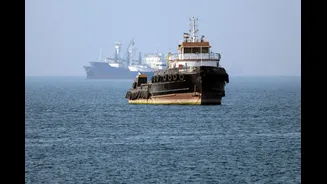
Even before charging any toll, Iran has declared that the transit —even during the toll-free 60 days— would not be unconditional. It has declared that ships may only transit the Strait through designated routes. It has said that any deviation from the designated route, such as travelling through the southern part of the Strait along the Omani waters instead of the designated route that passes through Iranian territorial waters, would make the ship lose the right to transit.
Last week, Iran attacked a ship that was said to be transiting the Strait outside of the designated route.
Such a dual system of tolls and fixed routes would completely change the Strait's governance. Before the war, a ship could transit the Strait with the route of their choice without any payment. The toll and fixed route would give Iran a fixed revenue stream and make it the gatekeeper of 20 per cent of the world's oil and gas supplies.
While sources told The Times that the fee would be voluntary, Iranian officials have consistently said they would control the transit through the Strait and have not said that any fee would be voluntary.
Mehdi Mohammadi, a senior adviser to principal negotiator Mohammad Bagher Ghalibaf, has said that exact words do not matter, and one could “call it tolls, service fees for security or naval passage”, but what matters is that "there is no free service anywhere in the world". has said that exact words do not matter, and one could “call it tolls, service fees for security or naval passage”, but what matters is that "there is no free service anywhere in the world".
Iranian officials have also said that while they plan to control the Strait with Oman, they would control it alone if Oman would not be onboard.
The development comes weeks after US President Donald Trump threatened to "blow up" Oman if it would charge a fee for transit through the Strait.
It also undermines Trump and his officials' consistent statements that transit through the Strait would be free and unconditional.
But Iran has consistently rejected both the assertions. Iranian officials have referred to the memorandum of understanding that Trump and Iranian President Masoud Pezeshkian signed, which says that Iran would only ensure free passage through the Strait for 60 days and would later manage the waterway with Oman, and stressed that they are allowed to charge a fee for passage.
Iran will enter into consultations with Oman to "define the future administration and maritime services in the Strait of Hormuz, in discussion with other Persian Gulf littoral states in line with the applicable international law and the sovereign rights of coastal states of the Strait of Hormuz", the US-Iran MoU says.
US officials 'object' to Iranian-Omani plan
The Times has reported that the Trump administration has objections regarding the Iranian-Omani plan.
Sources said that US officials have told Oman that they wish to hold talks to discuss these objections.
Trump last week said that the idea of a toll to cross the Strait was "unacceptable". But the deal that he signed gives Iran the right to charge a toll.
Even before charging any toll, Iran has declared that the transit —even during the toll-free 60 days— would not be unconditional. It has declared that ships may only transit the Strait through designated routes. It has said that any deviation from the designated route, such as travelling through the southern part of the Strait along the Omani waters instead of the designated route that passes through Iranian territorial waters, would make the ship lose the right to transit.
Last week, Iran attacked a ship that was said to be transiting the Strait outside of the designated route.
Such a dual system of tolls and fixed routes would completely change the Strait's governance. Before the war, a ship could transit the Strait with the route of their choice without any payment. The toll and fixed route would give Iran a fixed revenue stream and make it the gatekeeper of 20 per cent of the world's oil and gas supplies.