





What is the story about?
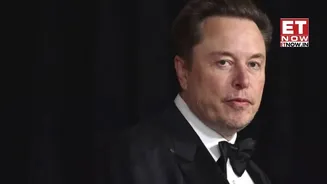
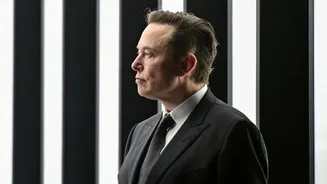
In a now-viral post on X (formerly Twitter), tech billionaire Elon Musk has once again set his sights on the Red Planet, passionately explaining why a mission to Mars isn’t merely a sci-fi dream. Musk believe the mission to mars is humanity’s “backup plan” for survival.
Musk’s enthusiastic pitch, part visionary manifesto and part interplanetary daydream, has reignited conversation about the purpose and priorities of space exploration, sparking amusement, scepticism and a fair bit of head-scratching in equal measure.
In the video, Musk leaned into his long-held belief that life on Earth is far too fragile to be humanity’s only bet.
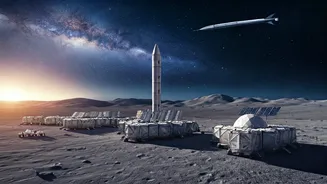
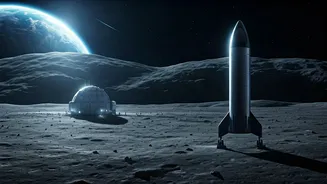
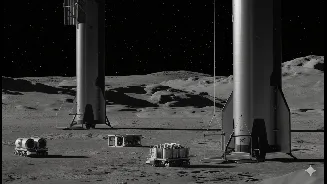
His appeal wasn’t just philosophical. Musk reiterated that SpaceX, the rocket company he founded in 2002, is committed to developing Starship, a reusable launch vehicle designed to carry humans, and perhaps a few hapless Martian pioneers to Mars. This isn’t the first time he’s made such bold claims.
Musk frequently talks about colonising Mars to ensure humanity is not a “single-planet species” and to safeguard against extinction events.
Musk’s Mars pitch draws on themes he has been repeating for years. He has routinely described planetary colonisation as a necessary insurance policy for humankind. His SpaceX ambitions include multiple uncrewed missions to Mars that would lay groundwork for future human landings.
Some reports even put human boots on Martian soil as early as the late 2020s, while Musk himself has suggested a self-sustaining settlement could be viable in the decades to come.
In the X video, the billionaire didn’t mince words: Earth is susceptible to everything from world wars to unchecked artificial intelligence. Without another habitable world ready to go, Musk argues, we’re essentially playing cosmic roulette with the fate of life itself.
He said, "The key branching point for human destiny or destiny of consciousness as a whole is that Mars is self-sustaining, even if the resupply ships from Earth stop coming. You’re not multiplanetary until the planet can grow by itself. Because there’s always some risk of technology on Earth falling below a certain level or of a nuclear war or a meteor."
"You haven’t secured the future of civilization and consciousness until both planets can survive independently," he added.
However, his idea of a “backup” sounds more like a billionaire’s escape hatch rather than a realistic contingency plan.
Despite Musk’s impassioned rhetoric, the reality on the ground is a good deal more modest. SpaceX’s flagship Starship has seen delays and technical setbacks as engineers attempt to perfect its reusable design.
While several test flights have occurred, a fully operational interplanetary Starship capable of carrying humans remains a work in progress, not an imminent launch.
And while SpaceX continues to tout ambitious plans for Mars, the broader scientific community remains cautious. Many experts believe that realistic human missions to Mars are likely decades away, not just around the corner.
Furthermore, the logistics of keeping humans alive in a hostile environment devoid of breathable air, liquid water and basic infrastructure have proven far more complex than even Musk’s expansive vision suggests.
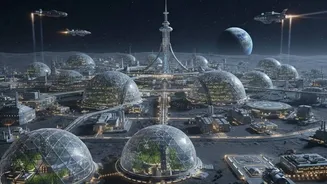
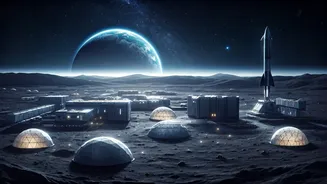
So while Musk’s speech might make for dramatic viewing, what has actually materialised on the path to Mars remains far closer to rocket prototypes and engineering hurdles than bustling Martian cities.
With wars raging on Earth, climate change accelerating, hunger and poverty afflicting millions, and glaciers melting at an alarming rate, Musk is dreaming of an interplanetary escape really the best use of human ingenuity right now?
Musk may see Mars as humanity’s lifeboat, but for many, solving the crises on our home planet feels like a far more pressing mission than booking passage to the Red Planet.
As the billionaire continues to cast his gaze skyward, a curious question lingers: while Earth burns, is he building a lifeboat or just gazing out the window?
Musk’s enthusiastic pitch, part visionary manifesto and part interplanetary daydream, has reignited conversation about the purpose and priorities of space exploration, sparking amusement, scepticism and a fair bit of head-scratching in equal measure.
In the video, Musk leaned into his long-held belief that life on Earth is far too fragile to be humanity’s only bet.
WHY WE SHOULD GO TO MARS: ELON MUSK ON SECURING THE FUTURE OF CONSCIOUSNESS
Going to Mars isn’t about escape—it’s about insurance. It’s about making sure the light of consciousness doesn’t go out if something catastrophic happens on Earth. Elon has consistently framed the Mars… pic.twitter.com/0Evc4DgoXg
— Tesla Owners Silicon Valley (@teslaownersSV) January 26, 2026
His appeal wasn’t just philosophical. Musk reiterated that SpaceX, the rocket company he founded in 2002, is committed to developing Starship, a reusable launch vehicle designed to carry humans, and perhaps a few hapless Martian pioneers to Mars. This isn’t the first time he’s made such bold claims.
Musk frequently talks about colonising Mars to ensure humanity is not a “single-planet species” and to safeguard against extinction events.
Elon Musk explains why Mars mission matters for humanity
Musk’s Mars pitch draws on themes he has been repeating for years. He has routinely described planetary colonisation as a necessary insurance policy for humankind. His SpaceX ambitions include multiple uncrewed missions to Mars that would lay groundwork for future human landings.
Some reports even put human boots on Martian soil as early as the late 2020s, while Musk himself has suggested a self-sustaining settlement could be viable in the decades to come.
In the X video, the billionaire didn’t mince words: Earth is susceptible to everything from world wars to unchecked artificial intelligence. Without another habitable world ready to go, Musk argues, we’re essentially playing cosmic roulette with the fate of life itself.
He said, "The key branching point for human destiny or destiny of consciousness as a whole is that Mars is self-sustaining, even if the resupply ships from Earth stop coming. You’re not multiplanetary until the planet can grow by itself. Because there’s always some risk of technology on Earth falling below a certain level or of a nuclear war or a meteor."
"You haven’t secured the future of civilization and consciousness until both planets can survive independently," he added.
However, his idea of a “backup” sounds more like a billionaire’s escape hatch rather than a realistic contingency plan.
SpaceX’s Mars dream vs reality: What’s actually happened so far
Despite Musk’s impassioned rhetoric, the reality on the ground is a good deal more modest. SpaceX’s flagship Starship has seen delays and technical setbacks as engineers attempt to perfect its reusable design.
While several test flights have occurred, a fully operational interplanetary Starship capable of carrying humans remains a work in progress, not an imminent launch.
And while SpaceX continues to tout ambitious plans for Mars, the broader scientific community remains cautious. Many experts believe that realistic human missions to Mars are likely decades away, not just around the corner.
Furthermore, the logistics of keeping humans alive in a hostile environment devoid of breathable air, liquid water and basic infrastructure have proven far more complex than even Musk’s expansive vision suggests.
So while Musk’s speech might make for dramatic viewing, what has actually materialised on the path to Mars remains far closer to rocket prototypes and engineering hurdles than bustling Martian cities.
With wars raging on Earth, climate change accelerating, hunger and poverty afflicting millions, and glaciers melting at an alarming rate, Musk is dreaming of an interplanetary escape really the best use of human ingenuity right now?
Musk may see Mars as humanity’s lifeboat, but for many, solving the crises on our home planet feels like a far more pressing mission than booking passage to the Red Planet.
As the billionaire continues to cast his gaze skyward, a curious question lingers: while Earth burns, is he building a lifeboat or just gazing out the window?