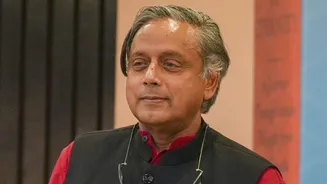






Shashi Tharoor has provided a comprehensive critique of the current geopolitical landscape, specifically focusing on India's position amidst escalating global conflicts and the evolving role of regional neighbours. As major powers and regional players navigate a volatile peace process, the necessity for a proactive Indian foreign policy has become increasingly apparent. Tharoor suggests that while strategic caution has its place, the rapidly changing dynamics require New Delhi to evaluate its influence and safeguard its long term national interests.
The necessity of active engagement
The current global instability presents a challenge that India cannot ignore without risking its own stability. Tharoor emphasises that sitting on the sidelines is no longer a viable strategy when the consequences of conflict are so widespread. He argues that the nation "Can't afford to be passive observers in a raging fire." This perspective suggests that the time for mere observation has passed and a more involved approach may be required to protect the nation from the sparks of distant wars.
Evaluating the role of Pakistan as a mediator
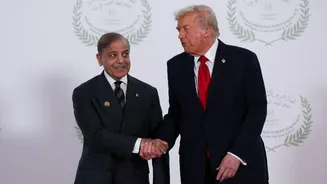
Recent diplomatic shifts have seen Pakistan take a surprising role in facilitating talks, a development influenced by its internal leadership and external alliances. Tharoor observes that the personal connection between General Asim Munir and the American administration might be playing a pivotal part. He notes that "Asim Munir's relationship with Trump may be helping Pak." Despite the historical rivalry, he maintains that India should remain composed about this development. He explicitly states, "Don't think that Pak as mediator is setback for India," and further clarifies that "India should have no problem with Pak's mediator role."
Strategic calculations and potential intervention
While Pakistan currently holds the floor in negotiations, its success is by no means guaranteed. Tharoor suggests that India should be prepared to step in if the current diplomatic efforts falter. He posits that "If Pak mediation fails, India should see what it can do." However, he is careful to distinguish between diplomatic assistance and direct participation in the negotiation room, clarifying, "Not suggesting India should get involved in talks." The goal remains to maintain a balance where India protects its interests without overextending its reach.
Protecting vital national and economic interests
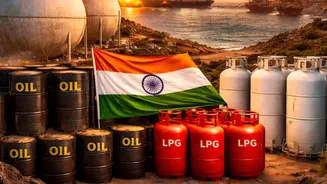
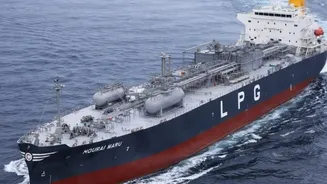
The war has moved beyond a local crisis, impacting the economic well being of the entire Global South. Tharoor highlights that "Indians and people in Global South paying price of war," through rising costs and economic disruptions. Beyond the broader economy, specific Indian concerns regarding fuel and the safety of its citizens abroad are paramount. He warns that "India's energy security, diaspora interests at stake in war." Maintaining a smooth relationship with the West is also crucial, as he asserts "India must ensure there is no negativity in India-U.S ties."
Reflections on silence and future strategy
India's recent policy of quiet observation is often debated as either a masterclass in neutrality or a lack of initiative. Tharoor defends the current stance while calling for internal introspection. He argues that "India's strategic silence is not a moral surrender." Nevertheless, he believes the foreign policy establishment must scrutinise its past choices to better prepare for the future, concluding that "India must analyse if we could've done anything differently."