



What is the story about?
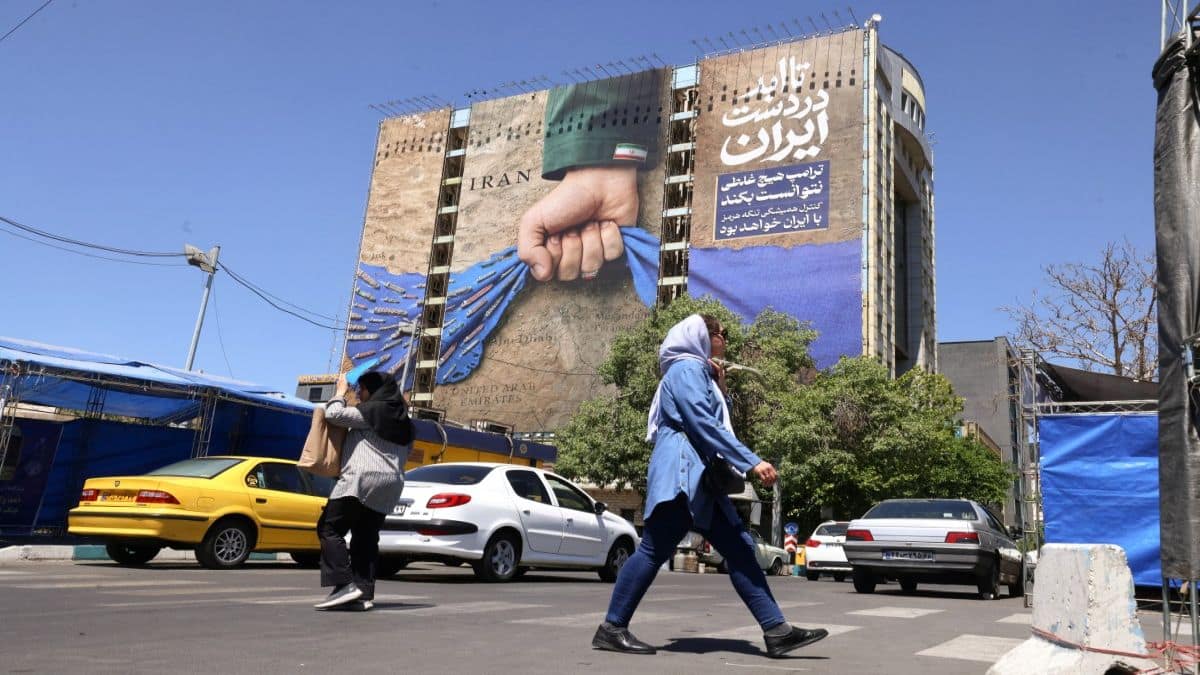
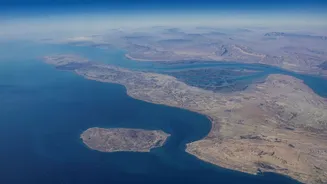
Amid continuing disruptions to energy shipments through one of the world's most important maritime routes, Iran has said the Strait of Hormuz will remain open, though future transit will be governed by new conditions set jointly with Oman. The remarks were made by Iran's ambassador to Moscow, Kazem Jalali, as oil and liquefied natural gas flows through the waterway remain heavily constrained following the conflict involving Iran, the US and Israel.
The strait, through which around one-fifth of the world's oil previously passed, has seen a sharp reduction in traffic since the outbreak of hostilities, although some tankers have recently managed to leave the Gulf.
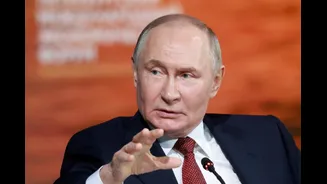
In an interview published on Monday by the Russian newspaper Izvestia, Jalali said, "Of course, this strait will be open, but with new conditions to be determined by the Iranian and Omani authorities."
He added, "We understand that Iran and Oman provide certain services related to this strait. And fees will be charged for those services."
The ambassador did not provide further details on how the proposed charges would be implemented.
Iran has maintained that any permanent peace arrangement should allow it to levy charges on vessels using the Strait of Hormuz. According to Tehran's position, the fees would vary depending on the type of ship, the cargo being transported and prevailing conditions.
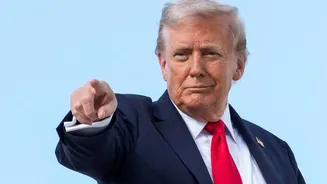
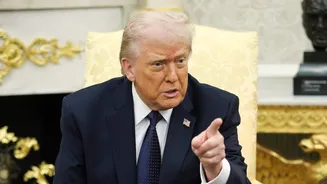
The proposal has drawn strong opposition from US President Donald Trump.
In late May, the US warned Oman against participating in any effort with Iran to introduce transit tolls. Treasury Secretary Scott Bessent later said Oman's ambassador had informed him there were no plans to impose such charges.
The debate over the future of the strategic waterway comes as tensions in the region remain high.
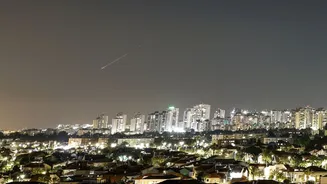
On Monday, Israel said it had carried out strikes against military targets in western and central Iran, despite reports that Trump had urged Israeli Prime Minister Benjamin Netanyahu not to launch further attacks.
Meanwhile, Japan said a Japan-linked crude oil tanker that passed through the Strait of Hormuz in May was not required to pay any fee. Before the conflict, Japan sourced about 95 per cent of its oil imports from West Asia.
The strait, through which around one-fifth of the world's oil previously passed, has seen a sharp reduction in traffic since the outbreak of hostilities, although some tankers have recently managed to leave the Gulf.
Iran outlines new transit framework
In an interview published on Monday by the Russian newspaper Izvestia, Jalali said, "Of course, this strait will be open, but with new conditions to be determined by the Iranian and Omani authorities."
He added, "We understand that Iran and Oman provide certain services related to this strait. And fees will be charged for those services."
The ambassador did not provide further details on how the proposed charges would be implemented.
Transit fee proposal remains contentious
Iran has maintained that any permanent peace arrangement should allow it to levy charges on vessels using the Strait of Hormuz. According to Tehran's position, the fees would vary depending on the type of ship, the cargo being transported and prevailing conditions.
The proposal has drawn strong opposition from US President Donald Trump.
In late May, the US warned Oman against participating in any effort with Iran to introduce transit tolls. Treasury Secretary Scott Bessent later said Oman's ambassador had informed him there were no plans to impose such charges.
Regional tensions continue
The debate over the future of the strategic waterway comes as tensions in the region remain high.
On Monday, Israel said it had carried out strikes against military targets in western and central Iran, despite reports that Trump had urged Israeli Prime Minister Benjamin Netanyahu not to launch further attacks.
Meanwhile, Japan said a Japan-linked crude oil tanker that passed through the Strait of Hormuz in May was not required to pay any fee. Before the conflict, Japan sourced about 95 per cent of its oil imports from West Asia.