





What is the story about?
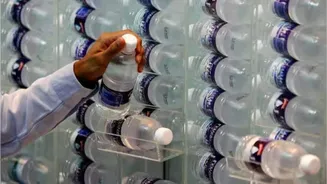
“Drinking water from plastic bottles is fine in an emergency, but it is not something that should be used in daily life,” warns Sarah Sajedi, the cofounder of an environmental software company and lead author of the review published in the Journal of Hazardous Materials.
Sajedi’s crusade against single-use plastic bottles started after she visited Thailand’s Phi Phi Island. While she was enamoured by the beauty of the Arabian Sea, what dismayed her was the plastic waste, mostly bottles, dotting the white beaches, according to a report in Wired. Having worked with matters concerning the environment, Sajedi realised that consumption was at the centre of his problem and decided to take a deep dive.

Lead author Sarah Sajedi warns that plastic bottles should be used only in emergencies and not daily.
As a doctoral student at Canada’s Concordia University, Sajedi, along with a team of researchers, reviewed more than 140 scientific papers to assess the effects of plastic bottles on the human body. The findings were startling. Daily consumers of water from plastic bottles ingested over 90,000 more microplastic particles than those who drank tap water.
The study characterised single-use plastic water bottles as “serious and understudied” and outlined the health risks posed by them.
The study finds that people consume an estimated 39,000 to 52,000 microplastic particles yearly from food and drinking water. However, individuals who rely more on bottled water are exposed to 90,000 microplastics per year, as compared to those drinking tap water, who ingest 4,000 microplastics.
Drinking water in plastic bottles contains countless particles that are too small to see. According to the analysis by Concordia University researchers, these microplastics vary in size, ranging from one micron (a thousandth of a millimetre) to five millimetres. Nanoplastics are even smaller, measuring less than one micron.
The research indicates that microplastics are released at various stages of the bottle’s life cycle, including manufacturing, storage, and transportation. Because several bottles are made from low-grade plastic, they shed particles when exposed to sunlight. Temperature changes also accelerate this process.
According to the researchers, the potential health effects of ingesting microplastics “can be severe”. Microplastics are known to enter the bloodstream and reach vital organs.
The presence of these plastics can disrupt hormones. They can also lead to chronic inflammation, cellular oxidative stress, neurological damage, reproductive issues and even some cancers.
“The review highlights the chronic health issues linked to exposure to nano- and microplastics, including respiratory diseases, reproductive issues, neurotoxicity, and carcinogenicity,” researchers wrote.
However, the long-term impacts of micro- and nanoplastics remain unclear due to limited testing and the absence of standardised methods for their detection and tracking.
The analysis identifies multiple methods for detecting nano- and microplastics, each with limitations.
According to Sajedi, some approaches can detect small particles; however, they cannot reveal their chemical makeup. Others can identify the material composition, but miss the tiniest particles. Appropriate and reliable tools are often expensive and not widely available.
Researchers warn against the use of plastic water bottles, emphasising the need to transition from single-use plastics to more sustainable and accessible options.
“Addressing public access to safe drinking water and improving water infrastructure are vital in reducing reliance on single-use plastics,” the review noted, according to a report in The Independent.
Sajedi believes that education is the most effective preventive measure. "Education is the most important action we can take,” she was quoted as saying by SciTechDaily, adding that drinking from plastic bottles should be avoided daily. “People need to understand that the issue is not acute toxicity—it is chronic toxicity.”
She also noted that governments worldwide are enacting legislation to limit plastic waste, but regulations are confined primarily to items such as plastic bags, straws, and packaging materials.
It’s clear as water then. Plastic bottles are a public health hazard. It’s time to ditch them.
With inputs from agencies
Sajedi’s crusade against single-use plastic bottles started after she visited Thailand’s Phi Phi Island. While she was enamoured by the beauty of the Arabian Sea, what dismayed her was the plastic waste, mostly bottles, dotting the white beaches, according to a report in Wired. Having worked with matters concerning the environment, Sajedi realised that consumption was at the centre of his problem and decided to take a deep dive.
Lead author Sarah Sajedi warns that plastic bottles should be used only in emergencies and not daily.
Image courtesy/LinkedIn
As a doctoral student at Canada’s Concordia University, Sajedi, along with a team of researchers, reviewed more than 140 scientific papers to assess the effects of plastic bottles on the human body. The findings were startling. Daily consumers of water from plastic bottles ingested over 90,000 more microplastic particles than those who drank tap water.
The study characterised single-use plastic water bottles as “serious and understudied” and outlined the health risks posed by them.
‘Drinking bottled water exposes you to 90,000 microplastics a year’
The study finds that people consume an estimated 39,000 to 52,000 microplastic particles yearly from food and drinking water. However, individuals who rely more on bottled water are exposed to 90,000 microplastics per year, as compared to those drinking tap water, who ingest 4,000 microplastics.
Drinking water in plastic bottles contains countless particles that are too small to see. According to the analysis by Concordia University researchers, these microplastics vary in size, ranging from one micron (a thousandth of a millimetre) to five millimetres. Nanoplastics are even smaller, measuring less than one micron.
The research indicates that microplastics are released at various stages of the bottle’s life cycle, including manufacturing, storage, and transportation. Because several bottles are made from low-grade plastic, they shed particles when exposed to sunlight. Temperature changes also accelerate this process.
How harmful are microplastics?
According to the researchers, the potential health effects of ingesting microplastics “can be severe”. Microplastics are known to enter the bloodstream and reach vital organs.
The presence of these plastics can disrupt hormones. They can also lead to chronic inflammation, cellular oxidative stress, neurological damage, reproductive issues and even some cancers.
“The review highlights the chronic health issues linked to exposure to nano- and microplastics, including respiratory diseases, reproductive issues, neurotoxicity, and carcinogenicity,” researchers wrote.
However, the long-term impacts of micro- and nanoplastics remain unclear due to limited testing and the absence of standardised methods for their detection and tracking.
Can microplastics be measured?
The analysis identifies multiple methods for detecting nano- and microplastics, each with limitations.
According to Sajedi, some approaches can detect small particles; however, they cannot reveal their chemical makeup. Others can identify the material composition, but miss the tiniest particles. Appropriate and reliable tools are often expensive and not widely available.
Should we stop using plastic bottles?
Researchers warn against the use of plastic water bottles, emphasising the need to transition from single-use plastics to more sustainable and accessible options.
“Addressing public access to safe drinking water and improving water infrastructure are vital in reducing reliance on single-use plastics,” the review noted, according to a report in The Independent.
Sajedi believes that education is the most effective preventive measure. "Education is the most important action we can take,” she was quoted as saying by SciTechDaily, adding that drinking from plastic bottles should be avoided daily. “People need to understand that the issue is not acute toxicity—it is chronic toxicity.”
She also noted that governments worldwide are enacting legislation to limit plastic waste, but regulations are confined primarily to items such as plastic bags, straws, and packaging materials.
It’s clear as water then. Plastic bottles are a public health hazard. It’s time to ditch them.
With inputs from agencies