


What is the story about?
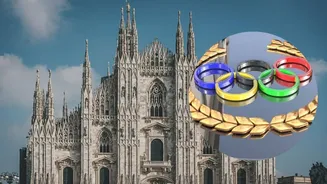
The Winter Olympics are returning to Italy after 20 years, and all eyes are on Milan as the Milano Cortina 2026 Games promise a celebration that goes far beyond sport.
From February 6 to 22, 2026, followed by the Paralympic Games from March 6 to 15, Italy will host the world for the third time, after Cortina d’Ampezzo in 1956 and Turin in 2006.
What makes this edition special is its dual-city format, split between the style-forward streets of Milan and the dramatic Alpine landscapes of Cortina d’Ampezzo.
While the Games themselves will be a major draw, Milan offers plenty to explore even without an event ticket. From offbeat neighbourhoods and free cultural sites to budget-friendly food and scenic winter walks, the city is set to be a bucket-list destination during Olympic season.
You do not need a stadium seat to feel the Olympic buzz in Milan. Throughout the Games, Fan Villages and Olympic Live Sites will bring the celebrations to public spaces with giant screens, cultural programmes, and live performances.
Visitors can catch parades, soak in the festive mood, and even see the Olympic torch installation near the Duomo, all for free.
Milan’s charm lies beyond its fashion labels. Winter is an ideal time to explore quieter spaces like the cloisters of San Simpliciano or take a peaceful walk around Castello Sforzesco and the adjoining Parco Sempione, which feels especially magical under a winter sky.
Architecture lovers can head to the Isola district to spot the famous Bosco Verticale, or Vertical Forest, a pair of residential towers wrapped in greenery.
Art lovers can wander through the Brera district, known for its independent galleries, cobbled streets, and old-world cafés. Families travelling with children can check out MUBA, Milan’s interactive children’s museum, which often hosts creative workshops and exhibits.
Milan is generous with its culture, especially if you plan well. Many state-run museums are free on the first Sunday of every month, and during the
Olympic period, February 8 falls on a first Sunday.
Top free or low-cost cultural stops include the Castello Sforzesco Museums, where the castle grounds and several collections can be explored without a ticket. Casa Museo Boschi di Stefano offers a glimpse into a private home filled with 20th-century Italian art.
The Civic Archaeological Museum, housed in a former convent, traces Milan’s ancient past, while the Cimitero Monumentale feels like an open-air sculpture gallery.
For modern art fans, Museo del Novecento near Piazza del Duomo showcases major 20th-century works and is often free during special times.
Gallerie d’Italia at Piazza Scala highlights 19th-century Italian art, and Hangar Bicocca, a former industrial space, houses striking contemporary installations, including Anselm Kiefer’s permanent work, The Seven Heavenly Palaces.
Food in Milan does not have to be expensive. The city’s aperitivo culture is a budget traveller’s best friend. Order a drink for around 10 to 15 euros and enjoy access to a generous spread of snacks and small dishes, often enough to substitute dinner.
For fresh and affordable local
food, head to Mercato Comunale Wagner or neighbourhood bakeries and cafés. Even a simple panzerotto or slice of pizza enjoyed standing at a counter can be a satisfying and authentic Milanese experience.
Milan’s ATM public transport system makes getting around easy and economical. Metro lines, trams, and buses connect most major sights, and central attractions like the Duomo, Galleria Vittorio Emanuele II, and Brera are walkable.
Staying slightly outside the city centre, in areas like Navigli or near metro stations, can significantly reduce accommodation costs while keeping you well connected.
If hotel prices rise during the Olympics, nearby cities offer smart alternatives. Bergamo combines medieval charm with an international airport and good rail links. Como is ideal for a scenic stay by the lake with direct trains to Milan.
Bolzano and Trento are excellent bases for travellers keen to explore Alpine venues like Cortina and Val di Fiemme while enjoying historic town centres.
With a strong focus on sustainability and 93 percent of venues using existing or temporary structures, Milano Cortina 2026 is shaping up to be a Games that respects both culture and environment.
For travellers, it is also a rare chance to experience Milan at its most energetic, creative, and welcoming, with plenty to see, eat, and explore even beyond the Olympic arenas.
From February 6 to 22, 2026, followed by the Paralympic Games from March 6 to 15, Italy will host the world for the third time, after Cortina d’Ampezzo in 1956 and Turin in 2006.
What makes this edition special is its dual-city format, split between the style-forward streets of Milan and the dramatic Alpine landscapes of Cortina d’Ampezzo.
While the Games themselves will be a major draw, Milan offers plenty to explore even without an event ticket. From offbeat neighbourhoods and free cultural sites to budget-friendly food and scenic winter walks, the city is set to be a bucket-list destination during Olympic season.
A city-wide Olympic vibe, no ticket needed
You do not need a stadium seat to feel the Olympic buzz in Milan. Throughout the Games, Fan Villages and Olympic Live Sites will bring the celebrations to public spaces with giant screens, cultural programmes, and live performances.
Milano Cortina 2026.
Visitors can catch parades, soak in the festive mood, and even see the Olympic torch installation near the Duomo, all for free.
Hidden corners and winter walks
Milan’s charm lies beyond its fashion labels. Winter is an ideal time to explore quieter spaces like the cloisters of San Simpliciano or take a peaceful walk around Castello Sforzesco and the adjoining Parco Sempione, which feels especially magical under a winter sky.
Architecture lovers can head to the Isola district to spot the famous Bosco Verticale, or Vertical Forest, a pair of residential towers wrapped in greenery.
Art lovers can wander through the Brera district, known for its independent galleries, cobbled streets, and old-world cafés. Families travelling with children can check out MUBA, Milan’s interactive children’s museum, which often hosts creative workshops and exhibits.
Free museums worth your time
Milan is generous with its culture, especially if you plan well. Many state-run museums are free on the first Sunday of every month, and during the
Top free or low-cost cultural stops include the Castello Sforzesco Museums, where the castle grounds and several collections can be explored without a ticket. Casa Museo Boschi di Stefano offers a glimpse into a private home filled with 20th-century Italian art.
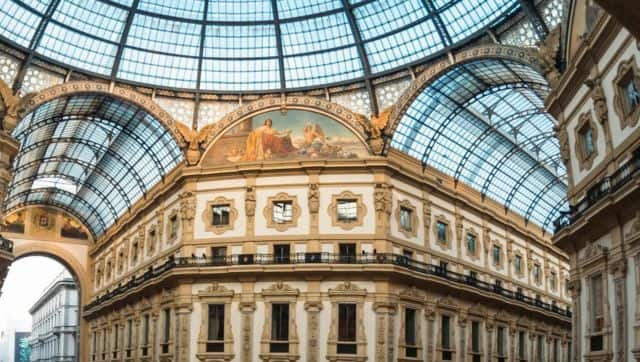
Galleria Vittorio Emanuele II Interior in Milan. Pexels
The Civic Archaeological Museum, housed in a former convent, traces Milan’s ancient past, while the Cimitero Monumentale feels like an open-air sculpture gallery.
For modern art fans, Museo del Novecento near Piazza del Duomo showcases major 20th-century works and is often free during special times.
Gallerie d’Italia at Piazza Scala highlights 19th-century Italian art, and Hangar Bicocca, a former industrial space, houses striking contemporary installations, including Anselm Kiefer’s permanent work, The Seven Heavenly Palaces.
Eat well without overspending
Food in Milan does not have to be expensive. The city’s aperitivo culture is a budget traveller’s best friend. Order a drink for around 10 to 15 euros and enjoy access to a generous spread of snacks and small dishes, often enough to substitute dinner.
For fresh and affordable local
Getting around smartly
Milan’s ATM public transport system makes getting around easy and economical. Metro lines, trams, and buses connect most major sights, and central attractions like the Duomo, Galleria Vittorio Emanuele II, and Brera are walkable.
Staying slightly outside the city centre, in areas like Navigli or near metro stations, can significantly reduce accommodation costs while keeping you well connected.
Where to base yourself beyond Milan
If hotel prices rise during the Olympics, nearby cities offer smart alternatives. Bergamo combines medieval charm with an international airport and good rail links. Como is ideal for a scenic stay by the lake with direct trains to Milan.
Bolzano and Trento are excellent bases for travellers keen to explore Alpine venues like Cortina and Val di Fiemme while enjoying historic town centres.
With a strong focus on sustainability and 93 percent of venues using existing or temporary structures, Milano Cortina 2026 is shaping up to be a Games that respects both culture and environment.
For travellers, it is also a rare chance to experience Milan at its most energetic, creative, and welcoming, with plenty to see, eat, and explore even beyond the Olympic arenas.