


What is the story about?
The UK government has refused to join US President Donald Trump's plan to enforce a military blockade of Iranian ports, while expressing support for freedom of navigation and the reopening of the Strait of Hormuz.
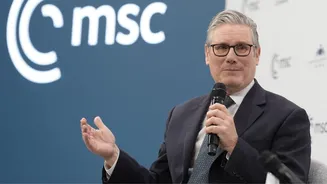
British Prime Minister Keir Starmer said that whatever the pressure, Britain would not be dragged into the Iran war nor be involved in a blockade of the Strait of Hormuz.
"We're not supporting the blockade," he told BBC Radio , adding that it was vital to get the Strait reopened.
According to a BBC report, the UK government has decided to stay away from such a move in order to support the global economy and ease the cost of living at home.
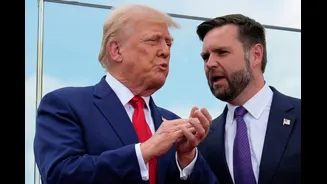
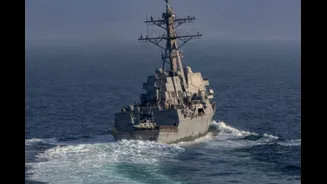
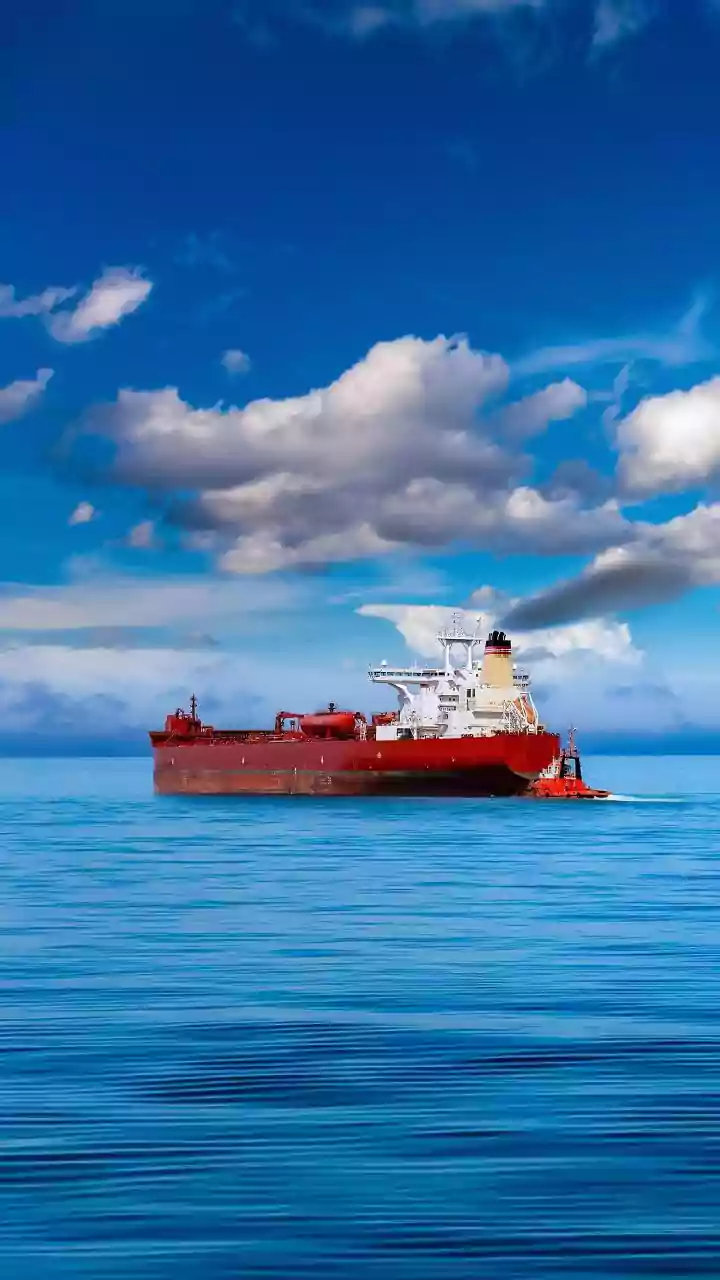
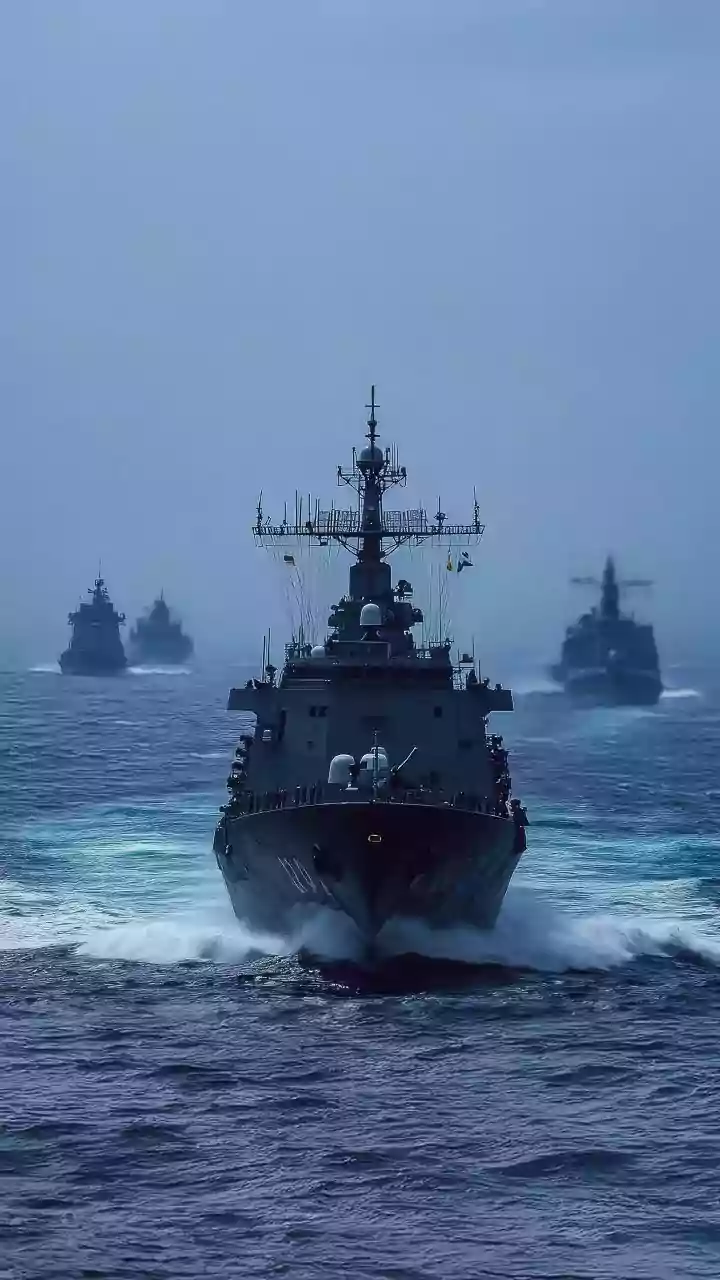
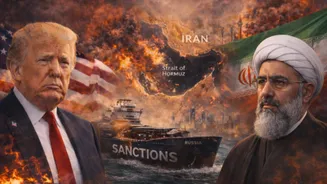
A day earlier, after the peace negotiations between Tehran and Washington failed Trump announced that the US Navy would begin blocking ships transiting the Hormuz Strait- a key maritime route through which roughly 20 per cent of the world's oil passes.
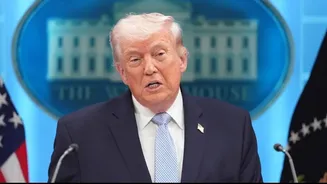
"US would start BLOCKADING any and all ships trying to enter, or leave, the Strait of Hormuz," Trump wrote on his social media platform Truth Social. In conversation with Fox News, Trump has also said that other countries would be involved in the strait's blockade.
The US military confirmed the development, with the US Central Command (Centcom) saying that its forces would block the vessels leaving or entering Iranian ports. However, it made it clear that the US forces won't impede the freedom of other vessels, which are transiting to and from non-Iranian ports.
After accusing Tehran of failing to honour its commitment to reopen the strategic strait, Trump said that continued blockade in the region has caused 'anxiety, dislocation, and pain' across the countries.
While announcing the naval blockade, Trump said that Iran had laid mines in the strait, which the US forces would clear. He further warned Iran of strong military retaliation if they target American assets in the region, saying: "US Forces are fully locked and loaded in case of escalation."
The US President had also expressed his disappointment against the countries paying what he described as 'illegal tolls' to Tehran for safe passage of their vessels.
The UK's decision comes a day after Prime Minister Keir Starmer expressed his disappointment over the failure of Islamabad talks, and called for 'de-escalation' in the region.
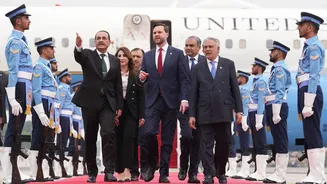
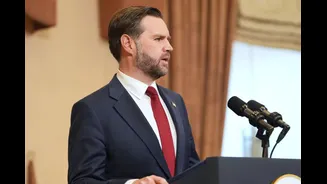
After participating in the 21-hours discussion, US Vice-President JD Vance said that no agreement had been reached between the US and Iran, and the Washington had presented its best offer it could, to Tehran.
Key differences persisted between the two countries over the blockade of Strait of Hormuz, Lebanon ceasefire, and Iran's nuclear programme.
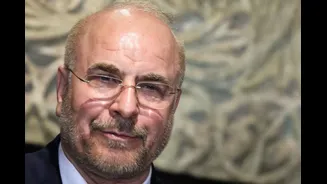
On the Iranian side, Parliament Speaker Mohammad Bagher Ghalibaf, who led Tehran's delegation alongside Foreign Minister Abbas Araqchi, blamed the US for failing to build trust despite what he described as constructive proposals.
Meanwhile, countries across the world have advocate for more dialogue and discussion to resolve the disputed points, and reach a final agreement. A day earlier, Russian President Vladimir Putin told his Iranian counterpart Masoud Pezeshkian that Moscow is ready to mediate in the US-Iran conflict.
British Prime Minister Keir Starmer said that whatever the pressure, Britain would not be dragged into the Iran war nor be involved in a blockade of the Strait of Hormuz.
"We're not supporting the blockade," he told BBC Radio , adding that it was vital to get the Strait reopened.
According to a BBC report, the UK government has decided to stay away from such a move in order to support the global economy and ease the cost of living at home.
A day earlier, after the peace negotiations between Tehran and Washington failed Trump announced that the US Navy would begin blocking ships transiting the Hormuz Strait- a key maritime route through which roughly 20 per cent of the world's oil passes.
"US would start BLOCKADING any and all ships trying to enter, or leave, the Strait of Hormuz," Trump wrote on his social media platform Truth Social. In conversation with Fox News, Trump has also said that other countries would be involved in the strait's blockade.
The US military confirmed the development, with the US Central Command (Centcom) saying that its forces would block the vessels leaving or entering Iranian ports. However, it made it clear that the US forces won't impede the freedom of other vessels, which are transiting to and from non-Iranian ports.
Trump's blockade of Hormuz
After accusing Tehran of failing to honour its commitment to reopen the strategic strait, Trump said that continued blockade in the region has caused 'anxiety, dislocation, and pain' across the countries.
While announcing the naval blockade, Trump said that Iran had laid mines in the strait, which the US forces would clear. He further warned Iran of strong military retaliation if they target American assets in the region, saying: "US Forces are fully locked and loaded in case of escalation."
The US President had also expressed his disappointment against the countries paying what he described as 'illegal tolls' to Tehran for safe passage of their vessels.
Islamabad talks failed
The UK's decision comes a day after Prime Minister Keir Starmer expressed his disappointment over the failure of Islamabad talks, and called for 'de-escalation' in the region.
After participating in the 21-hours discussion, US Vice-President JD Vance said that no agreement had been reached between the US and Iran, and the Washington had presented its best offer it could, to Tehran.
Key differences persisted between the two countries over the blockade of Strait of Hormuz, Lebanon ceasefire, and Iran's nuclear programme.
On the Iranian side, Parliament Speaker Mohammad Bagher Ghalibaf, who led Tehran's delegation alongside Foreign Minister Abbas Araqchi, blamed the US for failing to build trust despite what he described as constructive proposals.
Meanwhile, countries across the world have advocate for more dialogue and discussion to resolve the disputed points, and reach a final agreement. A day earlier, Russian President Vladimir Putin told his Iranian counterpart Masoud Pezeshkian that Moscow is ready to mediate in the US-Iran conflict.