



The geopolitical friction surrounding the Strait of Hormuz has shifted from a distant energy concern to a domestic kitchen crisis, as new data suggests India’s refined petroleum market is far more vulnerable than its crude oil supply.
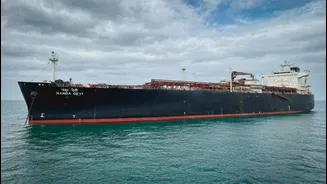
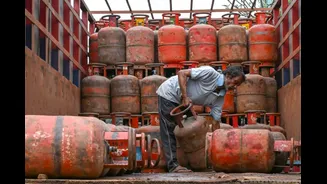
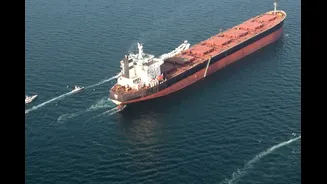
According to a recent report by stock broker, PL Capital, the stakes are uniquely high for India because the waterway serves as the primary artery for 50–60% of the country’s LPG imports. This creates a precarious situation where any disruption at the "energy tap" translates directly into a domestic shortage, particularly for a fuel source that powers the daily lives of millions.
The report highlights that this isn't just an economic issue, but a deeply social one.
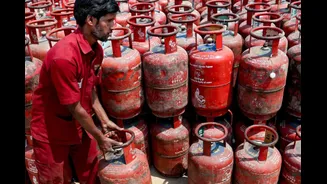
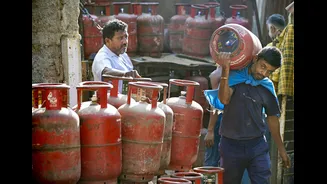
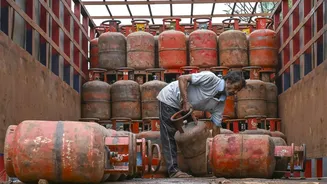
"With import flows disrupted, India is facing a severe LPG supply crunch, which is politically sensitive given the high share of household consumption," the PL Capital analysts warned. With over 310 million LPG connections across India—many of which were provided to low-income households through government initiatives—the prospect of empty cylinders creates significant anxiety.
Tight supplies and weak refineries
Unlike crude oil, where the nation maintains a modest 15–20 day buffer, the logistical constraints and potential damage to refining infrastructure could lead to "prolonged shortages of diesel, gasoline, LPG, and jet fuel."
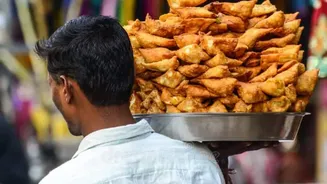
The ripple effects are already being felt on the streets. In Jaipur, the traditional culinary landscape is shifting out of necessity. Reports indicate that some local restaurants have been forced to pull staple items like samosas and bun butter off their menus because they simply cannot secure the fuel required for constant deep-frying. In a bid to survive the squeeze, many chefs are reportedly abandoning traditional gas burners in favour of electric induction hobs.
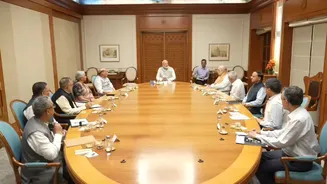
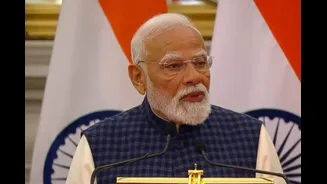
In response to the growing unease, the Indian government has stepped in to manage public perception and market stability.
Officials have moved to reassure the public, stating there is "enough stock of LPG and no need to panic." To protect the vital food and hospitality sectors from further menu cuts, the government has aggressively boosted the supply of commercial LPG, increasing allocations by up to 50%.