






What is the story about?
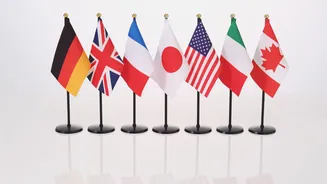
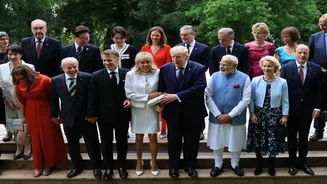
What happens when leaders of the world’s richest democracies gather under one roof? The answer lies at the G7 summit being hosted in France by President Emmanuel Macron.
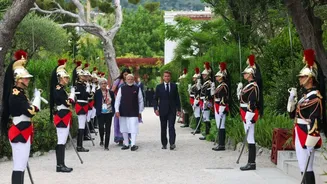
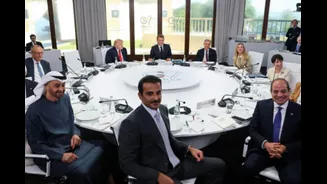
This year’s edition of the G7, which Prime Minister Narendra Modi also attended, was dominated by the US-Iran war. However, other hot-mic moments and challenges, such as US President Donald Trump’s strained relationship with European leaders, also earned the media’s attention.
So, what did we learn from the G7 summit? What unfolded at the spa town of Évian-les-Bains?
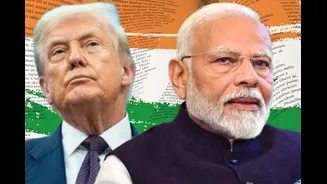
For India, the G7 summit served as the backdrop for a Trump-Modi meeting, a first in 16 months. This is the first time the two leaders have come face-to-face since the Indian leader visited Washington in February 2025, shortly after Trump returned to the White House for a second term.
The meeting came at a sensitive juncture for India-US ties, which have encountered turbulence in recent months amid differences over the Operation Sindoor ceasefire and the Trump administration’s tariff measures targeting Indian exports. Moreover, three Indian seafarers have lost their lives after US forces attacked an oil tanker near the Strait of Hormuz last week.
Amid this situation, the two leaders met during the G7 summit — but there was no hug in sight. Instead, they shook hands and exchanged a few words. The US leader was also seen patting PM Modi lightly on the arm, a gesture that reflected the personal rapport the two have cultivated over the years.
But more than the lack of hugs, PM Modi’s remarks highlighted the strain in the India-US friendship. Addressing the leaders at the event, PM Modi welcomed progress towards peace efforts in West Asia but said the conflict had cost Indian lives and disrupted global trade through the Strait of Hormuz.
Wars can only be addressed through dialogue, diplomacy, and international cooperation, and all countries must ensure the safety of maritime routes and seafarers, Prime Minister Modi told the gathering.
“Several Indian civilians have also lost their lives. The safety of seafarers, who connect all countries through global maritime trade, is our responsibility. We must ensure that sea lanes remain safe, and seafarers can carry out their work without fear,” Modi said at the session, with Trump seated directly beside him. “India is fully prepared to work with all partners on these issues.”
While he didn’t take names, his comments gained more significance as they came days after three Indian nationals died when US forces attacked the Palau-flagged oil tanker Settebello in the Gulf of Oman.
In his speech, PM Modi also spoke of a growing crisis of trust in international affairs. “Today, the most important strategic asset is not minerals, technology, or markets, but mutual trust,” he said, arguing that partnerships could succeed only when trust was at their core.
“The world is not suffering from a deficit of resources; it is suffering from a deficit of trust,” he said. Referring to the Covid-19 pandemic, Modi argued that it had exposed “how hollow the claims of trust and solidarity were”.
The Indian leader also referred to former US President Ronald Reagan’s “trust, but verify” diktat, saying the international community had a responsibility to build “a credible rules-based order suited to a new era” for future generations.
The two will meet again today on the sidelines of the summit, as per a PTI report.
The Iran war was bound to be the big focus of the G7 summit as US President Trump announced that the two sides had agreed to a deal to end the fighting.
And at Évian-les-Bains, the American leader expressed his frustration with an ally, Israel, over the war.
Trump said, “Without the United States, there would be no Israel. Without me, there would be no Israel because no other president was willing to do what I did.”
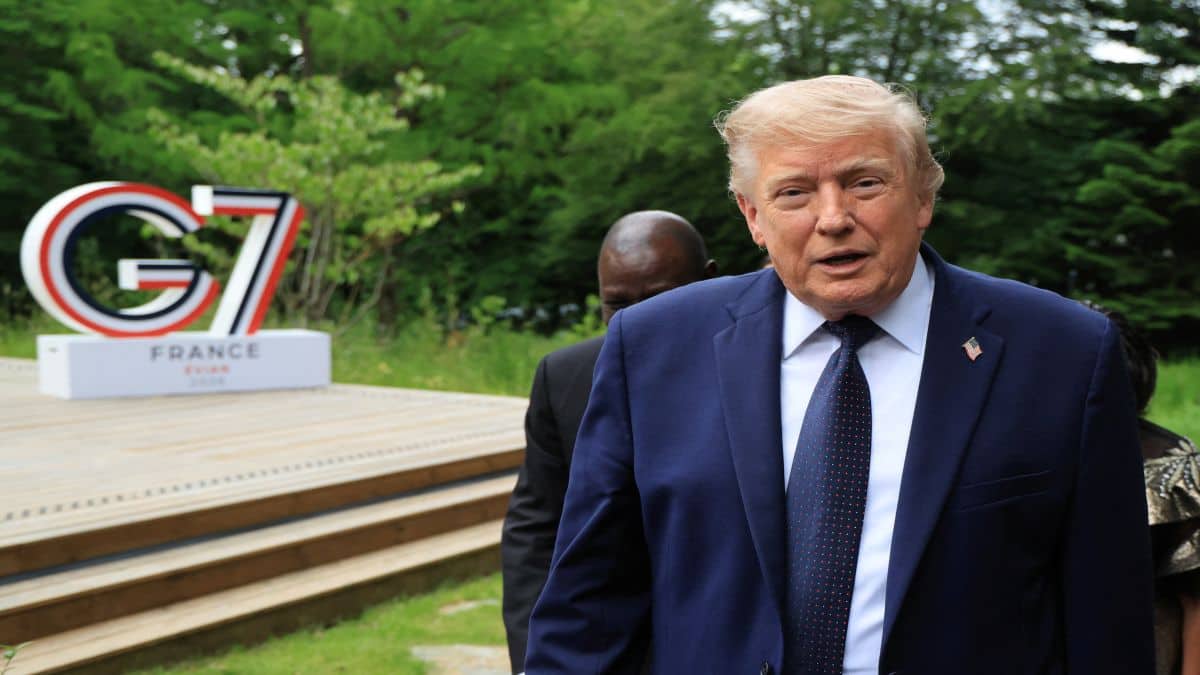
Despite describing his ties with Israeli Prime Minister Benjamin Netanyahu as strong, Trump said the Israeli leader “has to be more responsible with respect to Lebanon”, expressing dissatisfaction with Israel’s military campaign against Hezbollah.
“I’ve had a great relationship with Bibi, but now Bibi has to be more responsible with respect to Lebanon,” said the US president, adding that he was “not happy with the way Israel has handled itself with Lebanon and with Hezbollah”. He further argued that the conflict had dragged on for too long and risked undermining the recently announced agreement with Iran.
The US president also hyped up his peace deal with the Islamic Republic, saying, “This deal is a wall to a nuclear weapon. His (Barack Obama’s) deal was a road to nuclear weapons.”
Recalling the previous nuclear agreement, Trump said Netanyahu had “begged Obama not to make that deal” and described the accord reached under former President Barack Obama as “a disaster”, adding: “I terminated that deal.”
Prior to the G7 summit in France, Trump’s ties with his European allies had frayed as a result of the Iran war. Amid the fighting, the American leader had lashed out at his Western allies for not providing enough support. There was also the Greenland threat.
However, it seems that all of the harsh words had been forgotten as Trump arrived at the event. German Chancellor Friedrich Merz presented President Trump with a football jersey emblazoned with the number 47.
Ursula von der Leyen, president of the European Commission, congratulated Trump on the framework. She said it would reopen the Strait of Hormuz, drive down oil prices, and perhaps even ultimately put an end to Iran’s nuclear ambitions.
And French President Emmanuel Macron, who engaged in a sort of war of words with Trump earlier, invited him to dinner at Versailles on Wednesday to celebrate the 250th anniversary of American independence.
But tensions persisted; Trump did not hold a one-on-one meeting with Keir Starmer, forcing the British prime minister to insist that he had not been snubbed.
Apart from serious discussions about the wars across the world and other global crises, the G7 summit also served many hot mic moments. Sports, cigarettes, and the weather — all were discussed by the world leaders.
One of the most talked-about moments involved Italian Prime Minister Giorgia Meloni. As leaders prepared for another day of meetings, German Chancellor Friedrich Merz casually asked whether she had already smoked a cigarette that morning. Meloni’s answer caught several leaders by surprise.
She revealed that she had not smoked “since May 1.” It sparked an immediate round of congratulations from leaders seated around the table. Canadian Prime Minister Mark Carney, British Prime Minister Keir Starmer, Japanese Prime Minister Sanae Takaichi, and European Union officials all joined in applauding her effort.
Football also became one of the most talked-about moments at the G7 summit. British Prime Minister Keir Starmer expressed admiration for Cape Verde’s surprising 0-0 draw against reigning world champions Spain. “Quite remarkable, I have to say,” Starmer said.
Meanwhile, US President Donald Trump turned attention to the UFC cage-match event he hosted at the White House on Sunday. Trump, who sat ringside on his 80th birthday, spoke glowingly about Dana White, the CEO of UFC.
The day also saw a few instances of gift-giving diplomacy. Macron gave all seven of his counterparts personalised bicycles to promote the Cycling World Championships scheduled next year in the French Alps, according to David Lappartient, president of the Union Cycliste Internationale, on social media.
And the G7 summit also gave us another ‘Melodi’ moment. PM Modi and Italy’s Giorgia Meloni greeted each other warmly, with the Italian leader even joking, “Yes, we are the most famous on Instagram.”
With inputs from agencies
This year’s edition of the G7, which Prime Minister Narendra Modi also attended, was dominated by the US-Iran war. However, other hot-mic moments and challenges, such as US President Donald Trump’s strained relationship with European leaders, also earned the media’s attention.
So, what did we learn from the G7 summit? What unfolded at the spa town of Évian-les-Bains?
A distance between Modi and Trump?
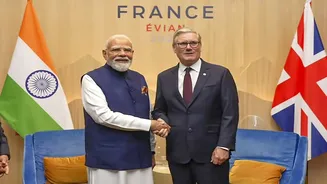
For India, the G7 summit served as the backdrop for a Trump-Modi meeting, a first in 16 months. This is the first time the two leaders have come face-to-face since the Indian leader visited Washington in February 2025, shortly after Trump returned to the White House for a second term.
The meeting came at a sensitive juncture for India-US ties, which have encountered turbulence in recent months amid differences over the Operation Sindoor ceasefire and the Trump administration’s tariff measures targeting Indian exports. Moreover, three Indian seafarers have lost their lives after US forces attacked an oil tanker near the Strait of Hormuz last week.
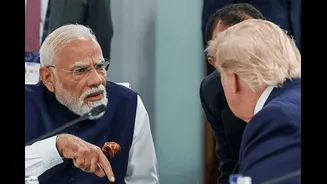
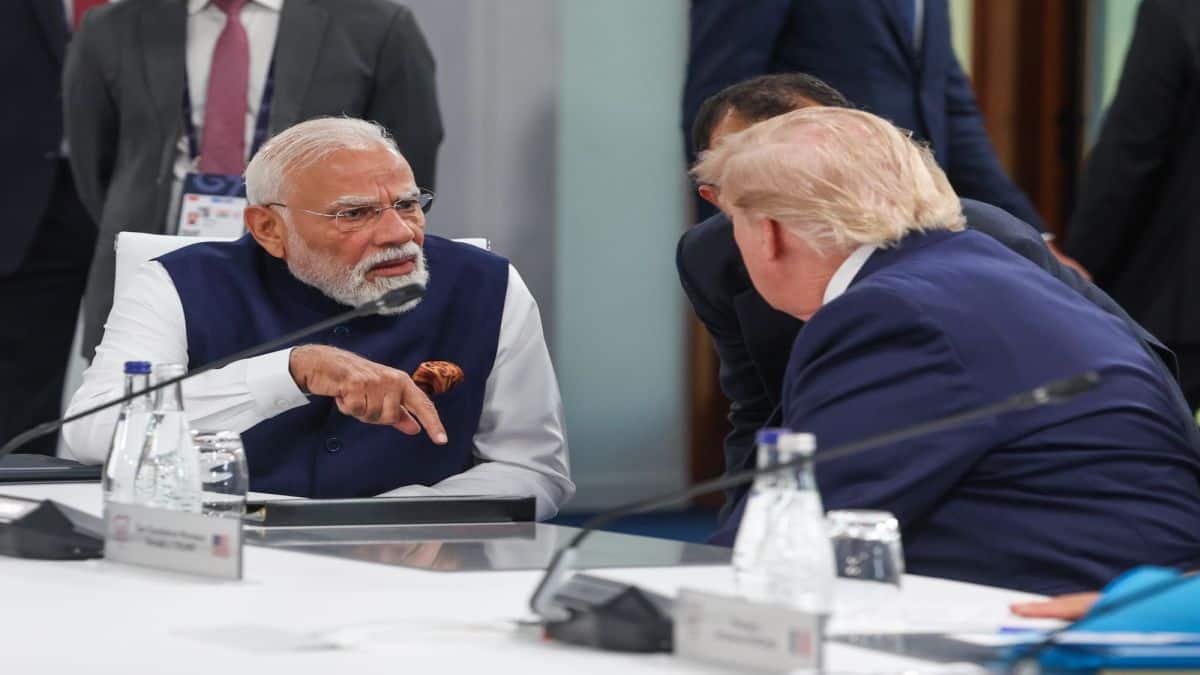
Amid this situation, the two leaders met during the G7 summit — but there was no hug in sight. Instead, they shook hands and exchanged a few words. The US leader was also seen patting PM Modi lightly on the arm, a gesture that reflected the personal rapport the two have cultivated over the years.
But more than the lack of hugs, PM Modi’s remarks highlighted the strain in the India-US friendship. Addressing the leaders at the event, PM Modi welcomed progress towards peace efforts in West Asia but said the conflict had cost Indian lives and disrupted global trade through the Strait of Hormuz.
Prime Minister Narendra Modi with US President Donald Trump at the G7 summit in France. Image Courtesy: @narendramodi/X
Wars can only be addressed through dialogue, diplomacy, and international cooperation, and all countries must ensure the safety of maritime routes and seafarers, Prime Minister Modi told the gathering.
“Several Indian civilians have also lost their lives. The safety of seafarers, who connect all countries through global maritime trade, is our responsibility. We must ensure that sea lanes remain safe, and seafarers can carry out their work without fear,” Modi said at the session, with Trump seated directly beside him. “India is fully prepared to work with all partners on these issues.”
While he didn’t take names, his comments gained more significance as they came days after three Indian nationals died when US forces attacked the Palau-flagged oil tanker Settebello in the Gulf of Oman.
In his speech, PM Modi also spoke of a growing crisis of trust in international affairs. “Today, the most important strategic asset is not minerals, technology, or markets, but mutual trust,” he said, arguing that partnerships could succeed only when trust was at their core.
“The world is not suffering from a deficit of resources; it is suffering from a deficit of trust,” he said. Referring to the Covid-19 pandemic, Modi argued that it had exposed “how hollow the claims of trust and solidarity were”.
The Indian leader also referred to former US President Ronald Reagan’s “trust, but verify” diktat, saying the international community had a responsibility to build “a credible rules-based order suited to a new era” for future generations.
The two will meet again today on the sidelines of the summit, as per a PTI report.
Trump’s anger at Israel
The Iran war was bound to be the big focus of the G7 summit as US President Trump announced that the two sides had agreed to a deal to end the fighting.
And at Évian-les-Bains, the American leader expressed his frustration with an ally, Israel, over the war.
Trump said, “Without the United States, there would be no Israel. Without me, there would be no Israel because no other president was willing to do what I did.”
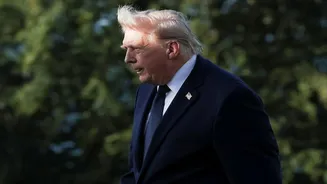
US President Donald Trump arrives to attend a musical interlude before a gala dinner as part of the G7 summit, in Evian, France. Reuters
Despite describing his ties with Israeli Prime Minister Benjamin Netanyahu as strong, Trump said the Israeli leader “has to be more responsible with respect to Lebanon”, expressing dissatisfaction with Israel’s military campaign against Hezbollah.
“I’ve had a great relationship with Bibi, but now Bibi has to be more responsible with respect to Lebanon,” said the US president, adding that he was “not happy with the way Israel has handled itself with Lebanon and with Hezbollah”. He further argued that the conflict had dragged on for too long and risked undermining the recently announced agreement with Iran.
The US president also hyped up his peace deal with the Islamic Republic, saying, “This deal is a wall to a nuclear weapon. His (Barack Obama’s) deal was a road to nuclear weapons.”
Recalling the previous nuclear agreement, Trump said Netanyahu had “begged Obama not to make that deal” and described the accord reached under former President Barack Obama as “a disaster”, adding: “I terminated that deal.”
Europe tries to make nice with Trump
Prior to the G7 summit in France, Trump’s ties with his European allies had frayed as a result of the Iran war. Amid the fighting, the American leader had lashed out at his Western allies for not providing enough support. There was also the Greenland threat.
However, it seems that all of the harsh words had been forgotten as Trump arrived at the event. German Chancellor Friedrich Merz presented President Trump with a football jersey emblazoned with the number 47.
Ursula von der Leyen, president of the European Commission, congratulated Trump on the framework. She said it would reopen the Strait of Hormuz, drive down oil prices, and perhaps even ultimately put an end to Iran’s nuclear ambitions.
And French President Emmanuel Macron, who engaged in a sort of war of words with Trump earlier, invited him to dinner at Versailles on Wednesday to celebrate the 250th anniversary of American independence.
But tensions persisted; Trump did not hold a one-on-one meeting with Keir Starmer, forcing the British prime minister to insist that he had not been snubbed.
Hot mic moments galore
Apart from serious discussions about the wars across the world and other global crises, the G7 summit also served many hot mic moments. Sports, cigarettes, and the weather — all were discussed by the world leaders.
One of the most talked-about moments involved Italian Prime Minister Giorgia Meloni. As leaders prepared for another day of meetings, German Chancellor Friedrich Merz casually asked whether she had already smoked a cigarette that morning. Meloni’s answer caught several leaders by surprise.
A light-hearted moment at the G7 Summit saw Italian Prime Minister Giorgia Meloni reveal that she has quit smoking, saying she has not had a cigarette since May 1.
The admission came after German Chancellor Friedrich Merz asked whether she had smoked that morning. Her response… pic.twitter.com/85gltjoMoD
— India Today Global (@ITGGlobal) June 17, 2026
She revealed that she had not smoked “since May 1.” It sparked an immediate round of congratulations from leaders seated around the table. Canadian Prime Minister Mark Carney, British Prime Minister Keir Starmer, Japanese Prime Minister Sanae Takaichi, and European Union officials all joined in applauding her effort.
Football also became one of the most talked-about moments at the G7 summit. British Prime Minister Keir Starmer expressed admiration for Cape Verde’s surprising 0-0 draw against reigning world champions Spain. “Quite remarkable, I have to say,” Starmer said.
Meanwhile, US President Donald Trump turned attention to the UFC cage-match event he hosted at the White House on Sunday. Trump, who sat ringside on his 80th birthday, spoke glowingly about Dana White, the CEO of UFC.
The day also saw a few instances of gift-giving diplomacy. Macron gave all seven of his counterparts personalised bicycles to promote the Cycling World Championships scheduled next year in the French Alps, according to David Lappartient, president of the Union Cycliste Internationale, on social media.
And the G7 summit also gave us another ‘Melodi’ moment. PM Modi and Italy’s Giorgia Meloni greeted each other warmly, with the Italian leader even joking, “Yes, we are the most famous on Instagram.”
With inputs from agencies