








What is the story about?
The heat is here and people in India are finding ways to cool down. For most, the simplest of options is to take cover in an air-conditioned room. One feels like they are in heaven as the cold wind from the machine blows onto us, making us feel chill.
However, while the air conditioning does provide instant relief from the sweltering heat and sweating, it can cause more harm than good for our physical well-being. Most don’t realise that prolonged exposure to air conditioning can affect the body in subtle but significant ways. From respiratory discomfort and reduced immunity, the side effects often go unnoticed until they begin to impact daily life.
In India, the mercury has been rising significantly even before the peak of summer. Temperatures across various parts of the country have climbed to over 40 degrees Celsius, causing people to sweat and swelter.
During the course of this week, 98 of the 100 hottest cities were in India, according to weather tracker, AQI.in.

Many schools have also changed their vacation schedule or introduced measures such as the ‘water bell’ idea to save students from dehydration and heat-related illnesses.
India’s weather agency, the Indian Meteorological Department, has even advised people in extremely hot areas to stay indoors as far as possible, and urged people to take precautions against heat-related illnesses. Prolonged exposure to extreme heat can lead to serious health risks, including heatstroke.
Owing to the unbearable heat, many Indians are seeking refuge in air-conditioned rooms. They are blasting their air-con machines — the power demand has surged — hoping to save themselves from the rising mercury levels.
Most weather experts note that air-conditioning is the key to getting through summertime without a heat-related illness — or worse.
The benefits of using the air-conditioning goes beyond fighting the heat. A well-working AC system filters the air to reduce intake of dust, pollen, and airborne pathogens. Cranking up the AC also makes the air less humid, reducing the dampness that contributes to bacterial growth, mould, and dust mites, which can contribute to — or, in rare cases, even cause — conditions like pneumonia, asthma, and Chronic Obstructive Pulmonary Disease (COPD).
An air conditioner also helps fight pollution. The machine contains filters that can cleanse particulate matter 2.5, which can cause heart and lung disease. “Every time the AC system operates, it’s pulling some particles out of the air,” Brent Stephens, professor of civil, architectural, and environmental engineering at Illinois Institute of Technology, told TIME magazine, highlighting the benefits of the machine.
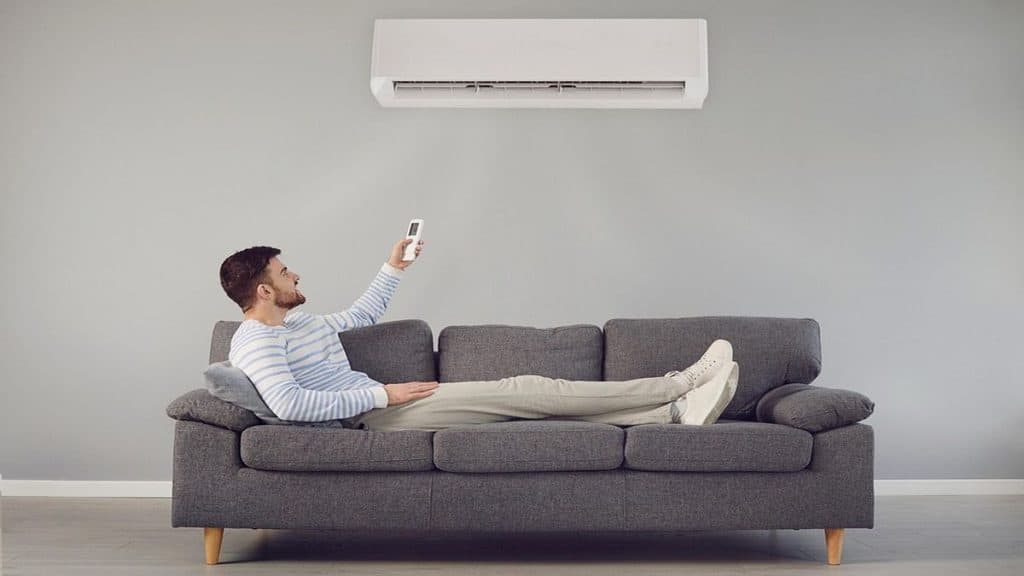
But as the adage goes, too much of a good thing can go wrong. Those, who are seeking refuge from the heat in their air-conditioned rooms must take note of the potential harmful effects it can have on their physical well-being.
In fact, there’s a term to describe the symptoms that can develop after spending extended periods of time in air-conditioned environments — sick building syndrome. Symptoms can include headaches, dizziness, congested or runny nose, persistent cough or wheeze, skin irritation or rashes, trouble focusing on work, and tiredness.
According to a report in The Conversation, the symptoms of sick building syndrome tend to get worse the longer you’re in an air-conditioned room, and are alleviated after you leave.
Breeding ground for pathogens
A closed room with the same air circulating for long periods of time can lead to virus and bacteria spreading inside the room. Also, if air-conditioners aren’t maintained correctly, they can cause bacteria and viruses to breed.
For instance, Legionella pneumophila is the bacterium that causes Legionnaires’ disease – a lung infection contracted from inhaling droplets of water containing these bacteria. They tend to grow in water-rich environments such as hot tubs or air conditioning systems.
Dehydration of skin and respiratory tract
The air in air-conditioned rooms is dry and void of moisture. As Dr Niranjan Singh, Senior Consultant, Internal Medicine, CK Birla Hospitals, Jaipur, told India Today, “In air-conditioned rooms, the body loses moisture without you even realising it.”
As a result, people don’t drink water and that, in turn, can cause headaches. Lack of moisture also causes the skin to become dry, causing itchiness, flaking, and the worsening of pre-existing conditions like eczema and psoriasis.
Air-conditioned rooms can also affect the respiratory tract. Dr William Checkley, a pulmonary and critical care physician and professor of medicine at Johns Hopkins School of Medicine, was quoted as telling TIME, “The airways become irritated and inflamed, causing coughs, sore throat, and nasal congestion.”
Not to mention the problem of dry eyes. The lack of humidity in air-conditioned spaces can dry your eyes. This can make them irritated and itchy, and may even make your vision blurry.
Temperature shock
Doctors also note that the sudden transition from extreme heat into air-conditioned rooms and vice versa can cause temperature shock, which can affect our bodies.
Picture this: the body moves from intense heat into a cold environment. This causes the blood vessels to constrict quickly, blood pressure fluctuates, and the cardiovascular system is forced to recalibrate in a short period of time. In most individuals, this can cause dizziness or fatigue.
However, if one is already suffering from high blood pressure or heart ailments, it can exacerbate conditions. Blood pressure that is already unstable does not respond well to repeated vascular stress.

The good news is that one doesn’t have to give up air conditioning completely. But rather just follow a few simple tips.
>> Regularly service the air-conditioner to ensure its filters and parts are functioning well.
>> Maintain a comfortable temperature in your home, ideally between 24 and 26 degrees Celsius.
>> Stay hydrated — drink lots of water even if you aren’t thirsty.
>> Take breaks from spending time inside an air-conditioned room.
All in all, this heat may force you to run towards the air conditioning, but remember to follow these tips and stay cool and healthy.
With inputs from agencies
However, while the air conditioning does provide instant relief from the sweltering heat and sweating, it can cause more harm than good for our physical well-being. Most don’t realise that prolonged exposure to air conditioning can affect the body in subtle but significant ways. From respiratory discomfort and reduced immunity, the side effects often go unnoticed until they begin to impact daily life.
The heat is heating up
In India, the mercury has been rising significantly even before the peak of summer. Temperatures across various parts of the country have climbed to over 40 degrees Celsius, causing people to sweat and swelter.
During the course of this week, 98 of the 100 hottest cities were in India, according to weather tracker, AQI.in.
A mother drapes a cloth over her child to shield from the heat on a hot summer day visit to the Red Fort in the old quarters of Delhi on April 26. AFP
Many schools have also changed their vacation schedule or introduced measures such as the ‘water bell’ idea to save students from dehydration and heat-related illnesses.
India’s weather agency, the Indian Meteorological Department, has even advised people in extremely hot areas to stay indoors as far as possible, and urged people to take precautions against heat-related illnesses. Prolonged exposure to extreme heat can lead to serious health risks, including heatstroke.
Seeking relief with the help of ACs
Owing to the unbearable heat, many Indians are seeking refuge in air-conditioned rooms. They are blasting their air-con machines — the power demand has surged — hoping to save themselves from the rising mercury levels.
Most weather experts note that air-conditioning is the key to getting through summertime without a heat-related illness — or worse.
The benefits of using the air-conditioning goes beyond fighting the heat. A well-working AC system filters the air to reduce intake of dust, pollen, and airborne pathogens. Cranking up the AC also makes the air less humid, reducing the dampness that contributes to bacterial growth, mould, and dust mites, which can contribute to — or, in rare cases, even cause — conditions like pneumonia, asthma, and Chronic Obstructive Pulmonary Disease (COPD).
An air conditioner also helps fight pollution. The machine contains filters that can cleanse particulate matter 2.5, which can cause heart and lung disease. “Every time the AC system operates, it’s pulling some particles out of the air,” Brent Stephens, professor of civil, architectural, and environmental engineering at Illinois Institute of Technology, told TIME magazine, highlighting the benefits of the machine.
Spending too much time in an air-conditioned room can cause dehydration of the skin as well as the respiratory tract. Representational image/Pixabay
Downsides of using too much of the AC
But as the adage goes, too much of a good thing can go wrong. Those, who are seeking refuge from the heat in their air-conditioned rooms must take note of the potential harmful effects it can have on their physical well-being.
In fact, there’s a term to describe the symptoms that can develop after spending extended periods of time in air-conditioned environments — sick building syndrome. Symptoms can include headaches, dizziness, congested or runny nose, persistent cough or wheeze, skin irritation or rashes, trouble focusing on work, and tiredness.
According to a report in The Conversation, the symptoms of sick building syndrome tend to get worse the longer you’re in an air-conditioned room, and are alleviated after you leave.
Breeding ground for pathogens
A closed room with the same air circulating for long periods of time can lead to virus and bacteria spreading inside the room. Also, if air-conditioners aren’t maintained correctly, they can cause bacteria and viruses to breed.
For instance, Legionella pneumophila is the bacterium that causes Legionnaires’ disease – a lung infection contracted from inhaling droplets of water containing these bacteria. They tend to grow in water-rich environments such as hot tubs or air conditioning systems.
Dehydration of skin and respiratory tract
The air in air-conditioned rooms is dry and void of moisture. As Dr Niranjan Singh, Senior Consultant, Internal Medicine, CK Birla Hospitals, Jaipur, told India Today, “In air-conditioned rooms, the body loses moisture without you even realising it.”
As a result, people don’t drink water and that, in turn, can cause headaches. Lack of moisture also causes the skin to become dry, causing itchiness, flaking, and the worsening of pre-existing conditions like eczema and psoriasis.
Air-conditioned rooms can also affect the respiratory tract. Dr William Checkley, a pulmonary and critical care physician and professor of medicine at Johns Hopkins School of Medicine, was quoted as telling TIME, “The airways become irritated and inflamed, causing coughs, sore throat, and nasal congestion.”
Not to mention the problem of dry eyes. The lack of humidity in air-conditioned spaces can dry your eyes. This can make them irritated and itchy, and may even make your vision blurry.
Temperature shock
Doctors also note that the sudden transition from extreme heat into air-conditioned rooms and vice versa can cause temperature shock, which can affect our bodies.
Picture this: the body moves from intense heat into a cold environment. This causes the blood vessels to constrict quickly, blood pressure fluctuates, and the cardiovascular system is forced to recalibrate in a short period of time. In most individuals, this can cause dizziness or fatigue.
However, if one is already suffering from high blood pressure or heart ailments, it can exacerbate conditions. Blood pressure that is already unstable does not respond well to repeated vascular stress.
Maintaining your air conditioner is a simple tip to ensure that it doesn't cause bodily harm. Representational image/Reuters
Staying healthy in an air-conditioned room
The good news is that one doesn’t have to give up air conditioning completely. But rather just follow a few simple tips.
>> Regularly service the air-conditioner to ensure its filters and parts are functioning well.
>> Maintain a comfortable temperature in your home, ideally between 24 and 26 degrees Celsius.
>> Stay hydrated — drink lots of water even if you aren’t thirsty.
>> Take breaks from spending time inside an air-conditioned room.
All in all, this heat may force you to run towards the air conditioning, but remember to follow these tips and stay cool and healthy.
With inputs from agencies