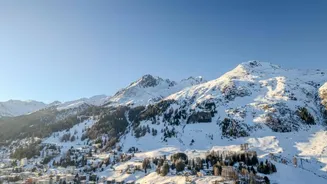


From powdery slopes and alpine lakes to cultural gems and historic mountain railways, the Davos region rewards visitors with experiences that balance serenity, adventure and local heritage.
Alpine landscapes and winter thrills
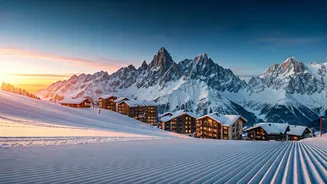
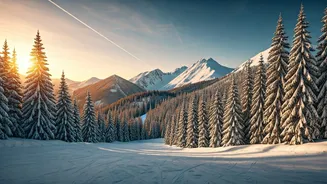
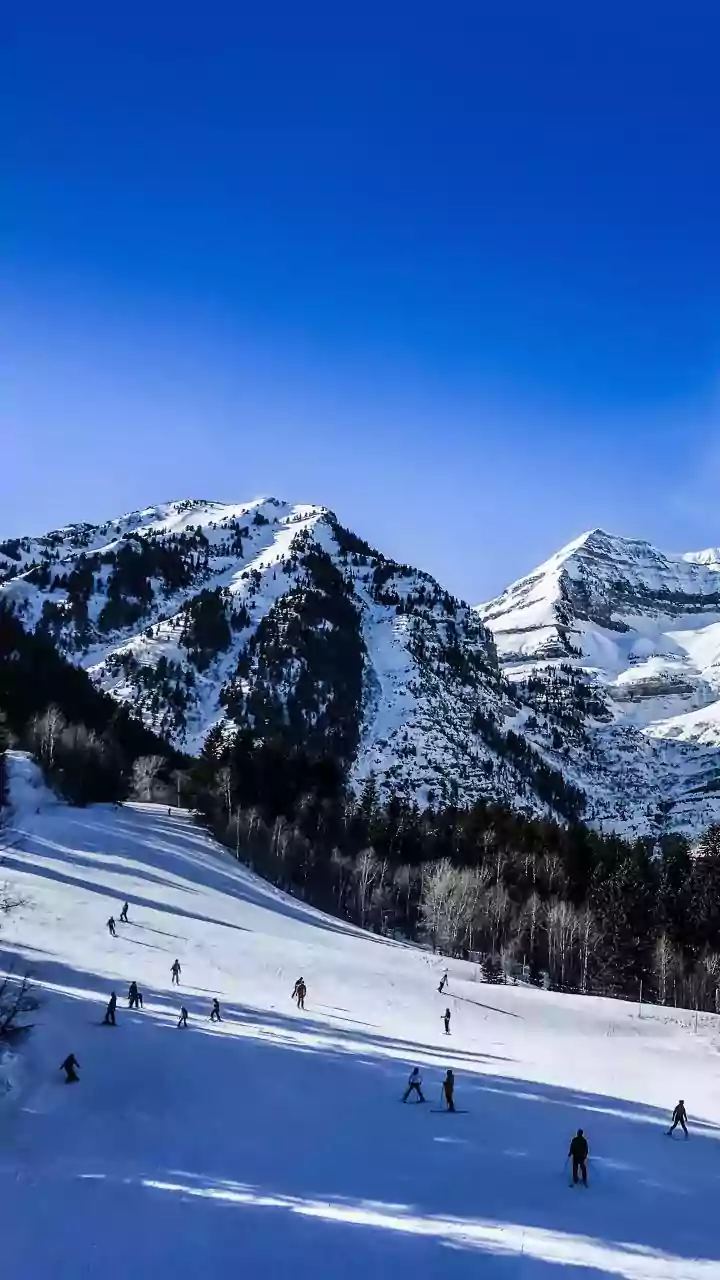
Parsenn and Jakobshorn are among Davos’s most celebrated mountain areas. Parsenn is known for its long, panoramic ski runs that suit beginners and seasoned skiers alike.
While Jakobshorn attracts snowboarders and freeriders with its terrain parks and lively après-ski scene. Slopes are often quieter during conference hours, making mornings the best time to head uphill.
As per Condé Nast Traveller, “the scale and quality of the skiing shouldn’t be underestimated.”
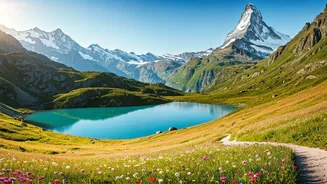
For a gentler pace, Lake Davos (Davosersee) offers scenic walks against a backdrop of snow-covered peaks, while the Sertig Valley provides postcard-perfect alpine views, traditional chalets and peaceful winter hiking trails.
Davos’s well-maintained paths make snowshoeing and cross-country skiing accessible even to first-time visitors.
History, culture and offbeat stops
Art at Kirchner museum Davos
Few cultural gems capture Davos’s connection to art like the Kirchner Museum Davos, dedicated to painter Ernst Ludwig Kirchner’s life and work.
The collection reflects how the surrounding mountain landscapes inspired the artist during the last two decades of his career.
Schatzalp and Alpine funiculars
A heritage funicular ride delivers you to Schatzalp, a hilltop retreat once a sanatorium and a setting that inspired Thomas Mann’s The Magic Mountain.
Its historic hotel and sun decks offer panoramic alpine views far above the bustle of town.
Ice sports and Local spirit
For a quintessential local experience, catch an ice hockey game at the iconic Vaillant Arena, home of HC Davos and the annual Spengler Cup.
While Davos doesn’t fit the traditional quaint Alpine village stereotype, its dramatic landscapes, extensive winter activities and unique combination of outdoor adventure with contemporary travel culture.
Budgeting for Davos in WEF week

Ice skating in Davos. Credits/Pexels
Davos is known for premium costs and during WEF, average hotel rates and dining bills often spike. But savvy planning can help keep your trip balanced:
Accommodation
- Book early: rooms fill fastest in January.
- Consider budget options or lodgings in nearby villages connected by train to Davos.
- Guest cards from many hotels offer transport perks and discount passes
Food and Drink
- Supermarkets and casual cafés are cost-effective alternatives to slope-front dining.
- Traditional Swiss favourites (like fondue and raclette) are a must-try, but pricier at peak venues.
Transport and Passes
Trains and buses are efficient and scenic; a well-planned rail journey through the Graubünden region adds another layer of alpine experience to your trip.
Tip: Many lifts and gondolas offer discounted online advance tickets or packages with accommodation.
Sustainable and future travel context
The UN World Tourism Organization (UN Tourism) emphasises principles that resonate with travel to high-altitude, nature-rich destinations like Davos. It prioritises responsible, accessible and environmentally considerate tourism that benefits local communities and preserves landscapes for future visitors.
During WEF 2026, Davos transforms into a global stage but for travellers, the surrounding Alps offer an equally compelling story. Adventure in snow and slopes, stunning natural scenery, and cultural touches rooted in history and art.
Whether you’re skiing sunrise tracks, sipping hot chocolate lakeside, or exploring art in alpine history halls, Davos offers a multi-layered winter escape even when the world is watching.