



What is the story about?
India’s cultural heritage just received an international boost after the Unesco (the United Nations Educational, Scientific and Cultural Organization) listed Sarnath, the ancient Buddhist site near Varanasi, in its coveted World Heritage Sites list.
With the inclusion of Sarnath, India now boasts of 45 such locations.
In addition to Sarnath, Unesco also added other sites to its list; World War II’s D-Day landing beaches in France, the iconic Mount Olympus in Greece, ancient Japanese capitals of Asuka and Fujiwara, and South Sudan’s Boma-Badingilo Migratory Landscape have all been included in the World Heritage site list after Unesco committee met in Busan over the weekend.
But how are properties like Sarnath chosen to be part of Unesco’s World Heritage Sites list? We explain.
This weekend came the announcement that Sarnath has been inscribed on Unesco’s World Heritage List. “New inscription on the @UNESCO #WorldHeritage List: Ancient Buddhist Site of Sarnath, #India,” Unesco posted on X.
Sarnath is considered to be the place where Gautama Buddha delivered his first sermon after attaining enlightenment at Bodh Gaya around the 6th century BCE, marking the beginning of Buddhism as a religion and philosophy. It’s also at this location that Buddha established the first Buddhist Sangha (community of monks), making Sarnath one of the four most sacred pilgrimage sites associated with his life.
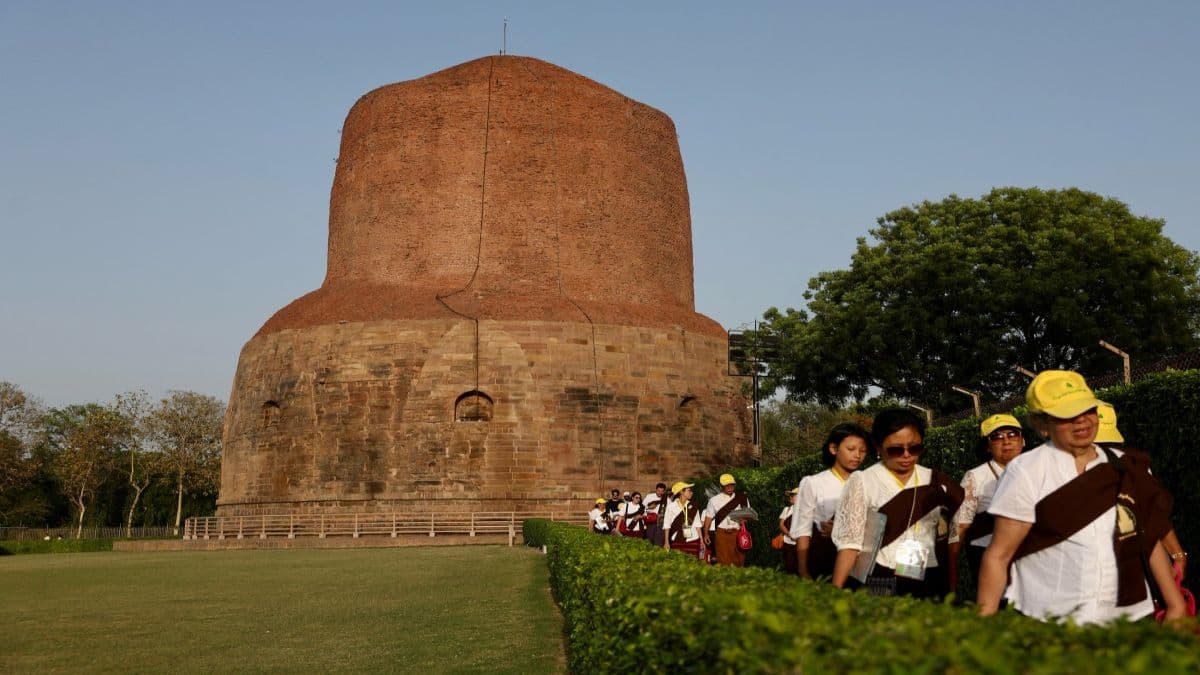
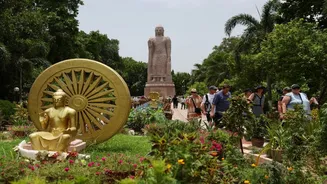
Today, Sarnath’s archaeological remains elicit gasps of wonder from visitors. The site contains ancient monasteries, temple foundations and sacred structures that reflect the evolution of Buddhist architecture and learning across centuries.
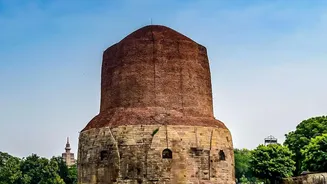
Of them, the Dhamek Stupa is recognisable by all. Rising over 40 metres high, the massive cylindrical structure is believed to mark the spot where Buddha delivered his first sermon. Its intricate stone carvings featuring floral and geometric motifs are considered masterpieces of Gupta-era craftsmanship, making it a must-see for history enthusiasts and architecture lovers alike.
Sarnath’s inclusion in the World Heritage list comes after tiring efforts by the government of India. To get on the lofty list is no easy task.
There are criteria and a process to get added to Unesco’s World Heritage list that began in November 1972 when it adopted a treaty known as the World Heritage Convention.
For any site to be listed, first it should meet one of the 10 criteria mentioned:
>> To represent a masterpiece of human creative genius
>> To exhibit an important interchange of human values, over a span of time or within a cultural area of the world, on developments in architecture or technology, monumental arts, town-planning or landscape design
>> To bear a unique or at least exceptional testimony to a cultural tradition or to a civilisation which is living or which has disappeared
>> To be an outstanding example of a type of building, architectural or technological ensemble or landscape which illustrates (a) significant stage(s) in human history
>> To be an outstanding example of a traditional human settlement, land-use, or sea-use which is representative of a culture (or cultures), or human interaction with the environment especially when it has become vulnerable under the impact of irreversible change
>> To be directly or tangibly associated with events or living traditions, with ideas, or with beliefs, with artistic and literary works of outstanding universal significance. (The Committee considers that this criterion should preferably be used in conjunction with other criteria)
>> To contain superlative natural phenomena or areas of exceptional natural beauty and aesthetic importance
>> To be outstanding examples representing major stages of Earth’s history, including the record of life, significant on-going geological processes in the development of landforms, or significant geomorphic or physiographic features
>> To be outstanding examples representing significant ongoing ecological and biological processes in the evolution and development of terrestrial, freshwater, coastal and marine ecosystems and communities of plants and animals
>> To contain the most important and significant natural habitats for in-situ conservation of biological diversity, including those containing threatened species of outstanding universal value from the point of view of science or conservation.
If the site meets this criterion, then it can be considered to be added. From there, the International Council on Monuments and Sites and the International Union for Conservation of Nature independently assess each nominee.
The site, such as Sarnath, is then added to a tentative list. Interestingly, Sarnath was on this tentative list on July 3, 1998. This means that it took 28 years for it to be designated as a World Heritage List site.
As a Unesco spokesperson told The Smithsonian, “Inclusion on a tentative list does not guarantee that a site will eventually be nominated or inscribed on the World Heritage List. Similarly, there is no standard timeframe between inclusion on a tentative list and nomination for inscription. Some sites are nominated within a few years, while others may remain on tentative lists for decades.”
Then, when UNESCO’s World Heritage Committee meets, they choose their locations based on their assessments and evaluations.
At present, the Unesco World Heritage List includes over 1,200 properties across the globe, including 972 cultural, 235 natural and 41 mixed properties in 170 States Parties.
There are multiple benefits for a site to be added to Unesco’s best of the best list. When a site is added to the list, it boosts the location’s prestige, which in turn results in larger number of tourists. As Jun Wen, an expert on tourism management at Macau University of Science and Technology in China, told
The Smithsonian, “These [World Heritage] Sites stand to gain from Unesco’s reputation, increasing their visibility as tourist destinations and also boosting the perceived reliability among prospective visitors.”
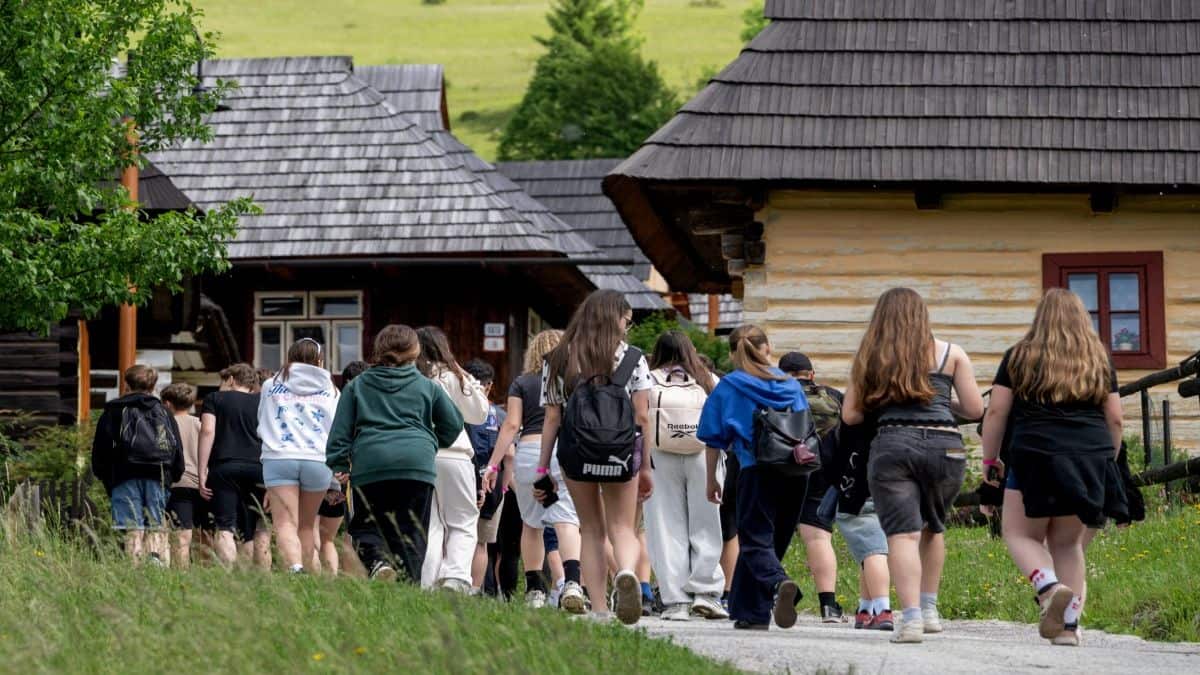
However, the increase in visitors can sometimes become a problem — an issue that Unesco has recognised too. For instance, some residents of Vlkolinec, a photogenic village in Slovakia told Euronews they’d be better off without the village’s Unesco’s World Heritage listing. They claim to have lost privacy due to
overtourism in this tiny community, revered for its well-preserved 1800s architecture and sublime location amid the mountains of central Slovakia.
With inputs from agencies
With the inclusion of Sarnath, India now boasts of 45 such locations.
In addition to Sarnath, Unesco also added other sites to its list; World War II’s D-Day landing beaches in France, the iconic Mount Olympus in Greece, ancient Japanese capitals of Asuka and Fujiwara, and South Sudan’s Boma-Badingilo Migratory Landscape have all been included in the World Heritage site list after Unesco committee met in Busan over the weekend.
But how are properties like Sarnath chosen to be part of Unesco’s World Heritage Sites list? We explain.
Sarnath added to Unesco’s coveted list
This weekend came the announcement that Sarnath has been inscribed on Unesco’s World Heritage List. “New inscription on the @UNESCO #WorldHeritage List: Ancient Buddhist Site of Sarnath, #India,” Unesco posted on X.
Sarnath is considered to be the place where Gautama Buddha delivered his first sermon after attaining enlightenment at Bodh Gaya around the 6th century BCE, marking the beginning of Buddhism as a religion and philosophy. It’s also at this location that Buddha established the first Buddhist Sangha (community of monks), making Sarnath one of the four most sacred pilgrimage sites associated with his life.
Tourists visit the Dhamekh Buddhist Stupa in Sarnath on the outskirts of Varanasi. File image/AFP
Today, Sarnath’s archaeological remains elicit gasps of wonder from visitors. The site contains ancient monasteries, temple foundations and sacred structures that reflect the evolution of Buddhist architecture and learning across centuries.
Of them, the Dhamek Stupa is recognisable by all. Rising over 40 metres high, the massive cylindrical structure is believed to mark the spot where Buddha delivered his first sermon. Its intricate stone carvings featuring floral and geometric motifs are considered masterpieces of Gupta-era craftsmanship, making it a must-see for history enthusiasts and architecture lovers alike.
How sites are added to Unesco’s world heritage list
Sarnath’s inclusion in the World Heritage list comes after tiring efforts by the government of India. To get on the lofty list is no easy task.
There are criteria and a process to get added to Unesco’s World Heritage list that began in November 1972 when it adopted a treaty known as the World Heritage Convention.
For any site to be listed, first it should meet one of the 10 criteria mentioned:
>> To represent a masterpiece of human creative genius
>> To exhibit an important interchange of human values, over a span of time or within a cultural area of the world, on developments in architecture or technology, monumental arts, town-planning or landscape design
>> To bear a unique or at least exceptional testimony to a cultural tradition or to a civilisation which is living or which has disappeared
>> To be an outstanding example of a type of building, architectural or technological ensemble or landscape which illustrates (a) significant stage(s) in human history
>> To be an outstanding example of a traditional human settlement, land-use, or sea-use which is representative of a culture (or cultures), or human interaction with the environment especially when it has become vulnerable under the impact of irreversible change
>> To be directly or tangibly associated with events or living traditions, with ideas, or with beliefs, with artistic and literary works of outstanding universal significance. (The Committee considers that this criterion should preferably be used in conjunction with other criteria)
>> To contain superlative natural phenomena or areas of exceptional natural beauty and aesthetic importance
>> To be outstanding examples representing major stages of Earth’s history, including the record of life, significant on-going geological processes in the development of landforms, or significant geomorphic or physiographic features
>> To be outstanding examples representing significant ongoing ecological and biological processes in the evolution and development of terrestrial, freshwater, coastal and marine ecosystems and communities of plants and animals
>> To contain the most important and significant natural habitats for in-situ conservation of biological diversity, including those containing threatened species of outstanding universal value from the point of view of science or conservation.
If the site meets this criterion, then it can be considered to be added. From there, the International Council on Monuments and Sites and the International Union for Conservation of Nature independently assess each nominee.
The site, such as Sarnath, is then added to a tentative list. Interestingly, Sarnath was on this tentative list on July 3, 1998. This means that it took 28 years for it to be designated as a World Heritage List site.
As a Unesco spokesperson told The Smithsonian, “Inclusion on a tentative list does not guarantee that a site will eventually be nominated or inscribed on the World Heritage List. Similarly, there is no standard timeframe between inclusion on a tentative list and nomination for inscription. Some sites are nominated within a few years, while others may remain on tentative lists for decades.”
Then, when UNESCO’s World Heritage Committee meets, they choose their locations based on their assessments and evaluations.
At present, the Unesco World Heritage List includes over 1,200 properties across the globe, including 972 cultural, 235 natural and 41 mixed properties in 170 States Parties.
Significance of being listed as World Heritage Site
There are multiple benefits for a site to be added to Unesco’s best of the best list. When a site is added to the list, it boosts the location’s prestige, which in turn results in larger number of tourists. As Jun Wen, an expert on tourism management at Macau University of Science and Technology in China, told
A group of students arrive at the UNESCO-listed Slovak village of Vlkolinec, near the Central Slovakian town of Ruzomberok. Many of the villagers wish they wouldn't have the tag as they have lost privacy owing to overtourism. File image/AFP
However, the increase in visitors can sometimes become a problem — an issue that Unesco has recognised too. For instance, some residents of Vlkolinec, a photogenic village in Slovakia told Euronews they’d be better off without the village’s Unesco’s World Heritage listing. They claim to have lost privacy due to
With inputs from agencies