
In an attempt to prevent a repeat of the recent IndiGo fiasco, the Indian government has given the green light to two new airlines. The move comes on the heels of a disruption that left thousands of flyers stranded and showed just how risky too much reliance on just a couple of airlines can be.
Civil Aviation Minister Ram Mohan Naidu confirmed on X (formerly Twitter) that the Ministry of Civil Aviation has granted official No Objection Certificates (NOCs) to Al Hind Air and FlyExpress, meaning these carriers can now formally begin preparing to take to the skies.
“Over the last one week, pleased to have met teams from new airlines aspiring to take wings in Indian skies—Shankh Air, Al Hind Air and FlyExpress. While Shankh Air has already got the no objection certificate (NOC) from the ministry, Al Hind Air and FlyExpress have received their NOCs this week,” Naidu wrote.
Schemes like UDAN have enabled smaller carriers Star Air, India One Air, Fly91 etc to play an important role in the regional connectivity within the country and there is more scope for further growth," he added.
Also read | Is IndiGo crisis an opportunity for Modi govt to revamp India’s Passenger Charter of Rights?
Breaking up a duopoly
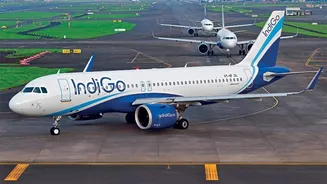
The government’s decision is widely seen as part of broader efforts to weaken the dominance of the largest carriers, particularly IndiGo, which holds more than 65% of India’s domestic market.
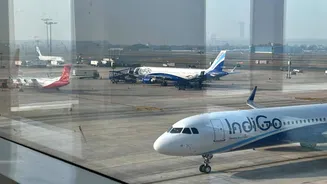
Earlier this month, IndiGo was forced to cancel more than 4,000 flights due to operational challenges, leaving passengers scrambling for alternatives.
By approving Al Hind Air and FlyExpress, along with already-cleared Shankh Air expected to start operations in 2026, officials hope that Indian flyers will soon have more choices and better reliability.
While getting an NOC is an important first step, both airlines still need to secure an Air Operator Certificate (AOC) from aviation regulators before they can actually start flying passengers. Even so, industry watchers say the approvals send a clear message: New players are welcome, and competition is needed.