








What is the story about?
Days after the world woke up to a hantavirus outbreak on a Dutch cruise liner, another medical scare has emerged. The World Health Organization (WHO), on Sunday (May 17), declared an Ebola outbreak in the Democratic Republic of Congo (DRC) and Uganda a “public health emergency of international concern.”
The outbreak, first detected in eastern Congo’s Ituri province, has now resulted in at least 88 deaths and more than 300 suspected cases. Furthermore, the virus has also reached Uganda, where at least two laboratory-confirmed cases were linked to travellers from Congo, including one death in the capital, Kampala.
According to the WHO, the outbreak doesn’t yet meet the criteria for a “pandemic emergency,” but countries sharing land borders with the DRC are at high risk of further spread.
The question many are asking after the
WHO’s declaration is: What is this disease? How does it spread? And in India, people wonder if it could spread there.
Before we dive into the current outbreak and how it is different from past outbreaks, let’s understand the disease itself.
Ebola is an illness caused by a group of viruses, known as orthoebolaviruses, first discovered in 1976 in the countries now known as South Sudan (formerly part of Sudan) and the Democratic Republic of Congo (formerly known as Zaire) in a region near the Ebola River.
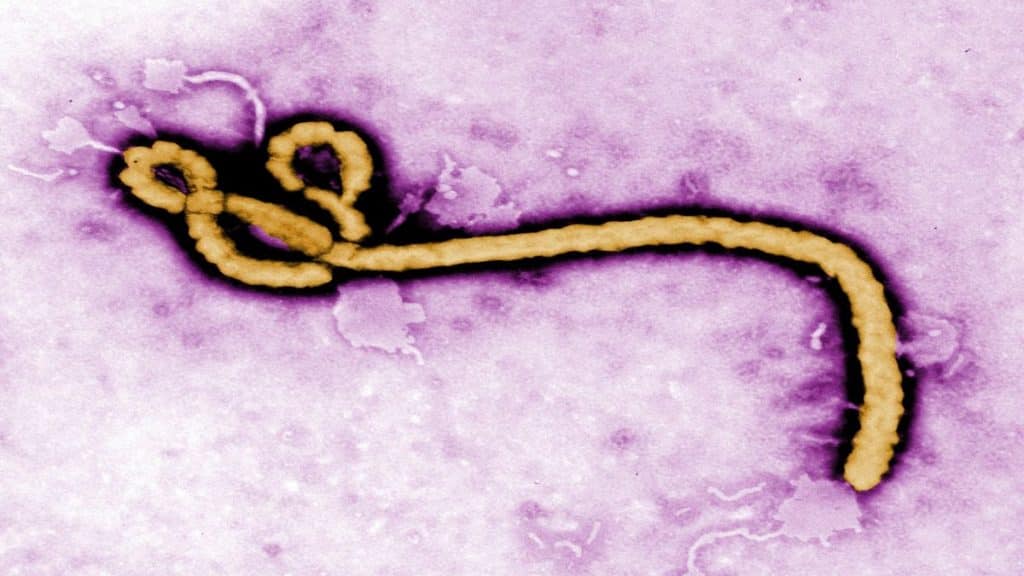
Closely associated with fruit bats, Ebola often results in viral haemorrhagic fever. More than 40 outbreaks have been documented since it first emerged in 1976. This is the 17th outbreak in the DRC. Last year, too, the country witnessed an Ebola outbreak — there were 53 confirmed cases and 45 deaths.
Ebola spreads from human to human through bodily fluids such as vomit, blood, and semen. Once you contract Ebola, you may experience fever, fatigue, muscle pain, and headache followed by vomiting, diarrhoea, rash, and internal and external bleeding. It has a 50 per cent death rate.
Over the years, there have been various Ebola outbreaks, killing hundreds of people. However, what is of concern in this outbreak is the strain — Bundibugyo. This strain is less common but a dangerous variant of the virus.
This strain was first detected in Uganda’s Bundibugyo district during a 2007-2008 outbreak that killed 37 people out of 149 cases. The second time was in 2012 in an outbreak in Isiro, Congo, where 57 cases and 29 deaths were reported.
Doctors and medical experts note that there is no vaccine for the Bundibugyo strain, making its treatment that much more difficult. Dr Simon Williams, an infectious diseases expert at Swansea University, was quoted as telling The Guardian: “This outbreak is more worrying than others because … the existing Ebola outbreak vaccine, the Ervebo vaccine, is not appropriate. There are no Bundibugyo virus-specific therapeutics or vaccines.”
Experts also note that the tests to verify if someone does have the infection doesn’t work well. Moreover, for the Bundibugyo strain, more sophisticated laboratory tools are required. Dealing with Bundibugyo is “one of the most significant concerns” in this outbreak, said Prof Trudie Lang from the University of Oxford, to the BBC.
Medical authorities note that the current outbreak began last month and the earliest-known suspected victim, a 59-year-old man, developed symptoms on April 24 and died three days later.
Health officials said the outbreak began in Mongwalu, a mining hub in Congo’s Ituri province, where infected individuals later travelled to other health zones, contributing to wider transmission. As the African Centres for Disease Control and Prevention (CDC) noted, cases subsequently migrated to Rwampara and Bunia health zones as patients sought medical care, “enabling spread across three health zones.”
Since then, there have been 336 suspected cases and 88 deaths. All the cases are in Congo, except for two recorded in neighboring
Uganda.
The big concern is the risk of further spread due to intense population movement and attacks by armed groups that have killed dozens and displaced thousands in parts of Ituri in the past year. There are also gaps in contact tracing, Africa CDC said, as local authorities race to find those who might have been exposed to the virus.
Dr Jean Kaseya, the director general of Africa CDC, was quoted as saying, “Currently, I’m in panic mode because people are dying. I don’t have medicines. I don’t have [a] vaccine to support countries.”
He said the outbreak pointed to the need for vaccine and medicine manufacturing capacity on the continent, describing it as an “equity issue” and warning: “Western countries, they don’t understand that when Africa is affected, they are also at risk because people are flying every day.”
According to reports, WHO Director-General Tedros Adhanom Ghebreyesus decided to declare this outbreak one rung below pandemic in its alert system on his own rather than consulting with an expert committee.
In a statement, the WHO noted, “The event requires international coordination and cooperation to understand the extent of the outbreak, to coordinate surveillance, prevention and response efforts, to scale up and strengthen operations and ensure the ability to implement control measures.”
The WHO fears that the high proportion of positive cases found among those who have been tested, combined with the spread to Kampala and the deaths in Ituri, “all point towards a potentially much larger outbreak than what is currently being detected and reported, with significant local and regional risk of spread”.
With the WHO announcing the Ebola outbreak to be a “public health emergency of global concern, there’s worry across the world about its spread beyond the borders of Africa.
In India, many are asking — is it a reason to be concerned?
Experts note that the risk to India remains low. That’s because there isn’t significant international air travel from the affected zones.
Moreover, India has Ebola-related measures in place. There’s thermal screening, isolation protocols, and coordination with global health agencies.
Experts also note that Ebola is not easily transmissible as airborne viruses like Covid-19 because it primarily spreads through direct physical contact with infected bodily fluids.
It does serve as a reminder, however, that infectious diseases — be it Covid-19, hantavirus, or Ebola — remain a global challenge in a highly connected world.
With inputs from agencies
The outbreak, first detected in eastern Congo’s Ituri province, has now resulted in at least 88 deaths and more than 300 suspected cases. Furthermore, the virus has also reached Uganda, where at least two laboratory-confirmed cases were linked to travellers from Congo, including one death in the capital, Kampala.
According to the WHO, the outbreak doesn’t yet meet the criteria for a “pandemic emergency,” but countries sharing land borders with the DRC are at high risk of further spread.
The question many are asking after the
What is Ebola?
Before we dive into the current outbreak and how it is different from past outbreaks, let’s understand the disease itself.
Ebola is an illness caused by a group of viruses, known as orthoebolaviruses, first discovered in 1976 in the countries now known as South Sudan (formerly part of Sudan) and the Democratic Republic of Congo (formerly known as Zaire) in a region near the Ebola River.
An Ebola virus virion. File image/AP
Closely associated with fruit bats, Ebola often results in viral haemorrhagic fever. More than 40 outbreaks have been documented since it first emerged in 1976. This is the 17th outbreak in the DRC. Last year, too, the country witnessed an Ebola outbreak — there were 53 confirmed cases and 45 deaths.
Ebola spreads from human to human through bodily fluids such as vomit, blood, and semen. Once you contract Ebola, you may experience fever, fatigue, muscle pain, and headache followed by vomiting, diarrhoea, rash, and internal and external bleeding. It has a 50 per cent death rate.
What makes this Ebola outbreak different from others?
Over the years, there have been various Ebola outbreaks, killing hundreds of people. However, what is of concern in this outbreak is the strain — Bundibugyo. This strain is less common but a dangerous variant of the virus.
This strain was first detected in Uganda’s Bundibugyo district during a 2007-2008 outbreak that killed 37 people out of 149 cases. The second time was in 2012 in an outbreak in Isiro, Congo, where 57 cases and 29 deaths were reported.
Doctors and medical experts note that there is no vaccine for the Bundibugyo strain, making its treatment that much more difficult. Dr Simon Williams, an infectious diseases expert at Swansea University, was quoted as telling The Guardian: “This outbreak is more worrying than others because … the existing Ebola outbreak vaccine, the Ervebo vaccine, is not appropriate. There are no Bundibugyo virus-specific therapeutics or vaccines.”
Experts also note that the tests to verify if someone does have the infection doesn’t work well. Moreover, for the Bundibugyo strain, more sophisticated laboratory tools are required. Dealing with Bundibugyo is “one of the most significant concerns” in this outbreak, said Prof Trudie Lang from the University of Oxford, to the BBC.
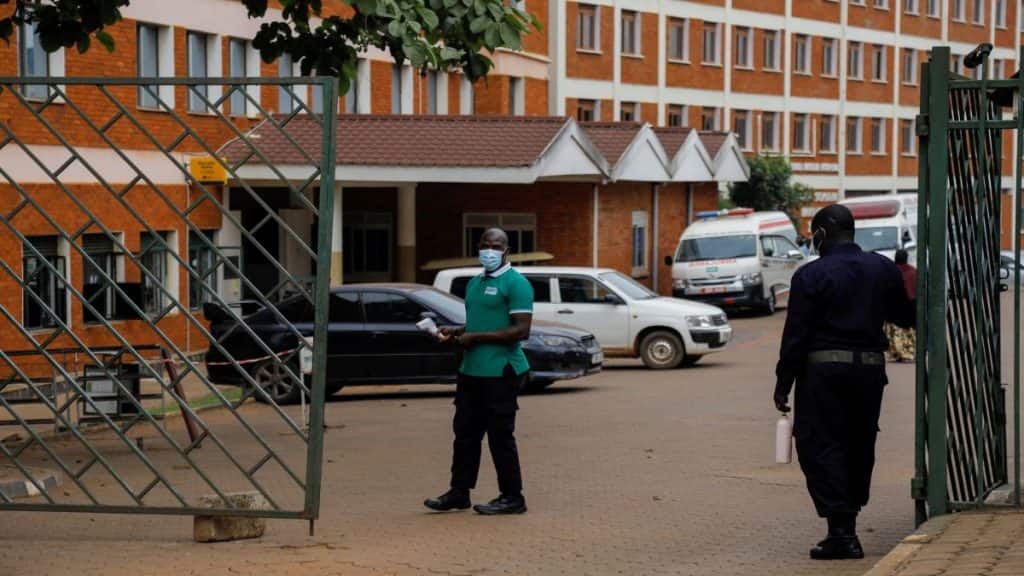
Workers stand guard at the gate of the Kibuli Muslim Hospital where a Congolese man died of Ebola Bundibugyo virus in Kibuli suburb of Kampala, Uganda. Reuters
How severe is this Ebola outbreak?
Medical authorities note that the current outbreak began last month and the earliest-known suspected victim, a 59-year-old man, developed symptoms on April 24 and died three days later.
Health officials said the outbreak began in Mongwalu, a mining hub in Congo’s Ituri province, where infected individuals later travelled to other health zones, contributing to wider transmission. As the African Centres for Disease Control and Prevention (CDC) noted, cases subsequently migrated to Rwampara and Bunia health zones as patients sought medical care, “enabling spread across three health zones.”
Since then, there have been 336 suspected cases and 88 deaths. All the cases are in Congo, except for two recorded in neighboring
The big concern is the risk of further spread due to intense population movement and attacks by armed groups that have killed dozens and displaced thousands in parts of Ituri in the past year. There are also gaps in contact tracing, Africa CDC said, as local authorities race to find those who might have been exposed to the virus.
Dr Jean Kaseya, the director general of Africa CDC, was quoted as saying, “Currently, I’m in panic mode because people are dying. I don’t have medicines. I don’t have [a] vaccine to support countries.”
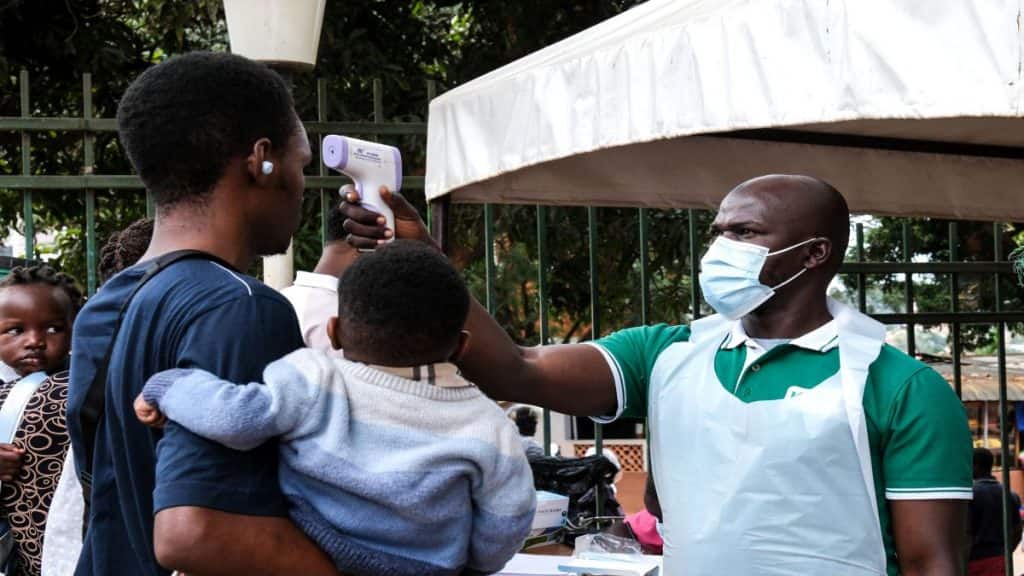
A health official uses a thermometer to screen people in front of Kibuli Muslim Hospital in Kampala, Uganda. AP
He said the outbreak pointed to the need for vaccine and medicine manufacturing capacity on the continent, describing it as an “equity issue” and warning: “Western countries, they don’t understand that when Africa is affected, they are also at risk because people are flying every day.”
According to reports, WHO Director-General Tedros Adhanom Ghebreyesus decided to declare this outbreak one rung below pandemic in its alert system on his own rather than consulting with an expert committee.
In a statement, the WHO noted, “The event requires international coordination and cooperation to understand the extent of the outbreak, to coordinate surveillance, prevention and response efforts, to scale up and strengthen operations and ensure the ability to implement control measures.”
The WHO fears that the high proportion of positive cases found among those who have been tested, combined with the spread to Kampala and the deaths in Ituri, “all point towards a potentially much larger outbreak than what is currently being detected and reported, with significant local and regional risk of spread”.
Is India at risk?
With the WHO announcing the Ebola outbreak to be a “public health emergency of global concern, there’s worry across the world about its spread beyond the borders of Africa.
In India, many are asking — is it a reason to be concerned?
Experts note that the risk to India remains low. That’s because there isn’t significant international air travel from the affected zones.
Moreover, India has Ebola-related measures in place. There’s thermal screening, isolation protocols, and coordination with global health agencies.
Experts also note that Ebola is not easily transmissible as airborne viruses like Covid-19 because it primarily spreads through direct physical contact with infected bodily fluids.
It does serve as a reminder, however, that infectious diseases — be it Covid-19, hantavirus, or Ebola — remain a global challenge in a highly connected world.
With inputs from agencies