







What is the story about?
India is emerging as the most polished tech population with most of the workers being skilled in technology. Approximately 23 per cent of skilled tech workers in Silicon Valley are from India, amid a foreign-born workforce comprising two-thirds of the region's tech talent.
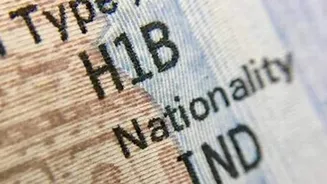
But, India is emerging as the preferred destination and workplace for skilled professionals as problems around the H-1B visa program forces many to think about their future. What was once a one-way journey from India to Silicon Valley is now showing signs of reversal, with experienced engineers, founders and executives choosing to return home, according to a Bloomberg report.
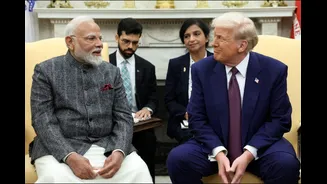
Stricter immigration rules, rising visa costs and immigration costs under US President Donald Trump’s administration, have made it difficult for the Indian workers to travel all across the US. To cut-short costs, India is increasingly becoming a workplace for most of the engineers benefitting the flow of global tech companies and stable opportunity.
Indian workers have always dominated the tech race, but the H-1B visa has accounted for nearly half-quarters of annual approvals.
Many of today’s global tech leaders, including Google CEO Sundar Pichai and Microsoft CEO Satya Nadella, once relied on the programme early in their careers.
Bloomberg reports that LinkedIn data showed a 40 per cent rise in tech professionals relocating to India in late 2025, pointing to a clear shift in global talent movement.
Kunal Bahl, co-founder of Snapdeal, told Bloomberg that his own US career ended suddenly in 2007 after his H-1B visa was denied. At the age of 23, he returned India and later worked on his idea and made his company the biggest e-commerce platform.
Bahl emphasised that recent hardships that Indian tech workers are facing are hampering their growth and triggering renewed interest among the workers. According to him, visa uncertainty is already pushing skilled workers towards India, a trend he believes will accelerate.
As the US tightens its immigration policies, India appears to be gaining a strategic advantage. Growing AI adoption and increasing global investment, the country is positioning itself as a long-term hub for technology talent that once looked almost exclusively to Silicon Valley.
But, India is emerging as the preferred destination and workplace for skilled professionals as problems around the H-1B visa program forces many to think about their future. What was once a one-way journey from India to Silicon Valley is now showing signs of reversal, with experienced engineers, founders and executives choosing to return home, according to a Bloomberg report.
Stricter immigration rules
Stricter immigration rules, rising visa costs and immigration costs under US President Donald Trump’s administration, have made it difficult for the Indian workers to travel all across the US. To cut-short costs, India is increasingly becoming a workplace for most of the engineers benefitting the flow of global tech companies and stable opportunity.
Indian workers have always dominated the tech race, but the H-1B visa has accounted for nearly half-quarters of annual approvals.
Many of today’s global tech leaders, including Google CEO Sundar Pichai and Microsoft CEO Satya Nadella, once relied on the programme early in their careers.
Data shows 40% tech workers shifting to India
Bloomberg reports that LinkedIn data showed a 40 per cent rise in tech professionals relocating to India in late 2025, pointing to a clear shift in global talent movement.
Kunal Bahl, co-founder of Snapdeal, told Bloomberg that his own US career ended suddenly in 2007 after his H-1B visa was denied. At the age of 23, he returned India and later worked on his idea and made his company the biggest e-commerce platform.
Bahl emphasised that recent hardships that Indian tech workers are facing are hampering their growth and triggering renewed interest among the workers. According to him, visa uncertainty is already pushing skilled workers towards India, a trend he believes will accelerate.
As the US tightens its immigration policies, India appears to be gaining a strategic advantage. Growing AI adoption and increasing global investment, the country is positioning itself as a long-term hub for technology talent that once looked almost exclusively to Silicon Valley.