



What is the story about?
It’s been three months of the war between the United States and Iran — it started on February 29 when Washington launched strikes on Tehran. And it seems that the warring nations are one step closer to a peace deal, with reports that negotiators have agreed to a 60-day memorandum of understanding to extend the ceasefire. However, they are awaiting US President Donald Trump’s approval.
When asked about the same, US Vice President JD Vance told reporters, “We’re going back and forth with them. We do think they’re negotiating at least so far in good faith, and we’re making some progress. Hopefully, we’ll continue to make progress [and] the president will be in a position where he can endorse the agreement, but obviously, that’s still TBD (to be declared).”
It’s also been reported that Trump has shared a draft of the agreement among allies, including Israel.
So, what’s in it? And also, how soon before we see Iran and the US sign the peace deal? As the situation unfolds at a dramatic pace, we unpack all that’s happening to get you up to speed.
On Thursday (May 28), US and Iranian negotiators edged toward a deal to extend their fragile ceasefire for 60 days. US sources, according to a CBS report, told the White House press pool that a tentative agreement has been reached, but it’s pending US President Trump’s approval. Iran also has not yet provided a response to the latest version, a regional official said.
This news comes as tensions escalated in the Gulf after the US launched what it called “defensive strikes” in southern Iran, and Tehran, in turn, targeted Kuwait with ballistic missiles.
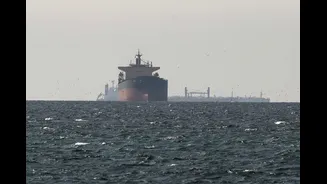
According to insiders, the memorandum of understanding calls for the reopening of the Strait of Hormuz to international shipping traffic, a step that would help ease economic pressure on both sides.
As per the deal, Iran would allow for “unrestricted” transit. Moreover, Tehran would commit not to impose tolls on ships passing through. Tehran would also be required to remove all its mines from the strait within 30 days. In turn, the US would gradually lift its naval blockade in exchange for Iran loosening its grip on the strait. Sanctions waivers would also be issued, allowing Tehran to resume selling its oil.
The memorandum also seeks to look into the fate of Tehran’s nuclear programme and its enriched uranium stockpile. The deal presented to Trump includes an Iranian commitment not to pursue a nuclear weapon, reports Axios. It will also state that the first issues to be negotiated during the 60-day window will be how to dispose of Iran’s highly enriched uranium, which Trump refers to as nuclear dust, and how to address Iranian enrichment.
As The Guardian noted, the current scope of the agreement would be deeply unpalatable for Israel, because it defers Iran making any firm nuclear commitments and requires a permanent ceasefire to include Lebanon.
A surprising new clause in the deal, as per a New York Times report, is a reference to an investment fund for Iran. The US, as per the report, will set up a $300 billion “reconstruction programme”. Plans for this fund would be discussed during the 60-day window. The New York Times report has Iranians stating that American companies, including major oil and energy corporations, could enter Iran for investments and joint venture deals as part of the deal.
If approved, the agreement would mark the biggest breakthrough on a permanent deal to end hostilities. On April 8, the US and Iran had agreed upon a ceasefire. However, both sides have exchanged fire.
However, it seems that negotiators are at the final hurdle, awaiting Trump’s approval. US Vice President JD Vance on Thursday acknowledged that talks were going back and forth, with some disagreement on the nuclear issue persisting.
“We’re going back and forth on a couple of language points. I do think we’ve made a lot of progress here,” Vance said. “It’s very clear that I think the Iranians, they want a deal, and they want to open the Strait of Hormuz.”
Vance said, “it's hard to say” when Trump could be expected to sign a deal, adding, “There are a couple of issues on the nuclear stuff, the highly enriched stockpile, and also the question of enrichment.” “We do think they’re negotiating, at least so far, in good faith, and we’re making some progress. Hopefully, we’ll continue to make progress,” he said. “The president will be in a position where he can endorse the agreement, but obviously that’s still TBD.”
Another indicator that the US and Iran may be one step closer to a peace agreement is Secretary of State Marco Rubio’s meeting with Pakistani Foreign Minister Muhammad Ishaq Dar today (May 29). This is significant as Pakistan has been playing mediator between the two warring nations.
Even with the US and Iran agreeing to the broad contours of the peace agreement, Donald Trump is yet to give his approval, with some pundits noting that it appears that the US president is dragging his feet on the deal.
To understand his apparent reluctance, one needs to examine Trump’s approach to deal-making. While diplomats and other world leaders believe consistency creates stability, Trump believes that unpredictability is leverage. Negotiation is a psychological contest in which pressure, timing, perception, and dominance become instruments of power.
Hence, one week, a deal seems imminent, and in the next week, Tehran faces catastrophic consequences. The Iran International writes in one report, “Those familiar with the culture of aggressive American salesmanship recognise the game: create urgency, destabilise expectations, project strength, keep the other side uncertain.”
Trump prides himself on being a master negotiator and the man who can close deals. His reluctance in this matter may stem from the fact that many have deemed the peace deal to be a capitulation. Many Republicans have slammed the agreement, saying it gives too much to Iran too soon.
“The rumoured 60-day ceasefire – with the belief that Iran will ever engage in good faith – would be a disaster,” wrote Senator Roger Wicker, the chairman of the Senate Armed Services Committee. “Everything accomplished by Operation Epic Fury would be for naught!”
Another Republican political strategist was also quoted as telling The Guardian, “It’s terrible timing. There is already anger over the [$1.8bn anti-weaponisation] fund and the midterms. [Republicans] already feel betrayed by Trump and now they’re worried he’s giving away too much” to reopen the Strait of Hormuz.
There’s also the fact that Trump believes that time is on his side. An Axios report states that Trump believes Iran is currently under severe economic and military strain, and that waiting longer could force Tehran into accepting tougher terms. The White House believes that delaying the approval puts pressure on an economically and militarily battered Iran, which helps in the pressure game that could secure additional concessions on enrichment levels, inspections, or maritime guarantees before finalising the agreement.
We will just have to wait and watch as negotiations and counter-negotiations unfold. For now, a fragile ceasefire remains in place.
With inputs from agencies
When asked about the same, US Vice President JD Vance told reporters, “We’re going back and forth with them. We do think they’re negotiating at least so far in good faith, and we’re making some progress. Hopefully, we’ll continue to make progress [and] the president will be in a position where he can endorse the agreement, but obviously, that’s still TBD (to be declared).”
It’s also been reported that Trump has shared a draft of the agreement among allies, including Israel.
- Catch the latest updates from the US-Iran war
So, what’s in it? And also, how soon before we see Iran and the US sign the peace deal? As the situation unfolds at a dramatic pace, we unpack all that’s happening to get you up to speed.
What’s in the tentative peace deal between Iran and US?
On Thursday (May 28), US and Iranian negotiators edged toward a deal to extend their fragile ceasefire for 60 days. US sources, according to a CBS report, told the White House press pool that a tentative agreement has been reached, but it’s pending US President Trump’s approval. Iran also has not yet provided a response to the latest version, a regional official said.
This news comes as tensions escalated in the Gulf after the US launched what it called “defensive strikes” in southern Iran, and Tehran, in turn, targeted Kuwait with ballistic missiles.
According to insiders, the memorandum of understanding calls for the reopening of the Strait of Hormuz to international shipping traffic, a step that would help ease economic pressure on both sides.
As per the deal, Iran would allow for “unrestricted” transit. Moreover, Tehran would commit not to impose tolls on ships passing through. Tehran would also be required to remove all its mines from the strait within 30 days. In turn, the US would gradually lift its naval blockade in exchange for Iran loosening its grip on the strait. Sanctions waivers would also be issued, allowing Tehran to resume selling its oil.
The memorandum also seeks to look into the fate of Tehran’s nuclear programme and its enriched uranium stockpile. The deal presented to Trump includes an Iranian commitment not to pursue a nuclear weapon, reports Axios. It will also state that the first issues to be negotiated during the 60-day window will be how to dispose of Iran’s highly enriched uranium, which Trump refers to as nuclear dust, and how to address Iranian enrichment.
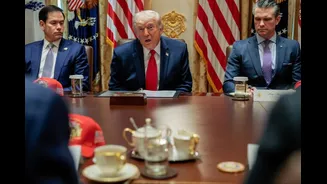
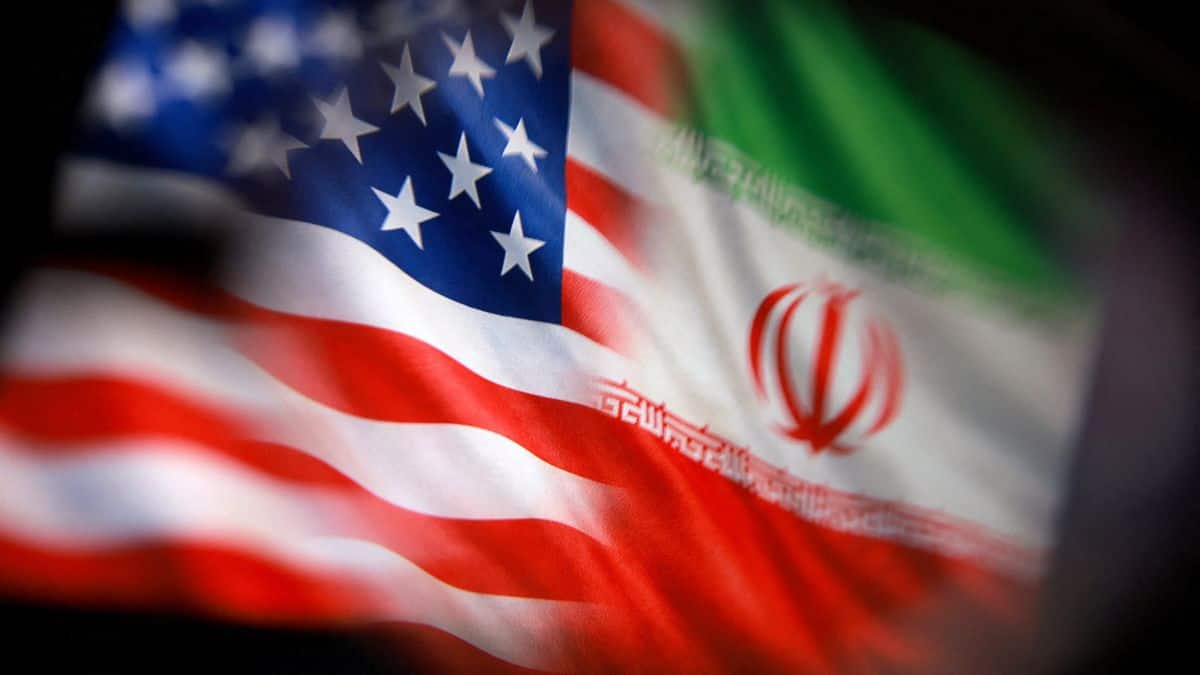
The US and Iran are negotiating through mediators on a memorandum of understanding that would extend their ceasefire by 60 days. File image/Reuters
As The Guardian noted, the current scope of the agreement would be deeply unpalatable for Israel, because it defers Iran making any firm nuclear commitments and requires a permanent ceasefire to include Lebanon.
A surprising new clause in the deal, as per a New York Times report, is a reference to an investment fund for Iran. The US, as per the report, will set up a $300 billion “reconstruction programme”. Plans for this fund would be discussed during the 60-day window. The New York Times report has Iranians stating that American companies, including major oil and energy corporations, could enter Iran for investments and joint venture deals as part of the deal.
How soon before US and Iran sign the peace agreement?
If approved, the agreement would mark the biggest breakthrough on a permanent deal to end hostilities. On April 8, the US and Iran had agreed upon a ceasefire. However, both sides have exchanged fire.
However, it seems that negotiators are at the final hurdle, awaiting Trump’s approval. US Vice President JD Vance on Thursday acknowledged that talks were going back and forth, with some disagreement on the nuclear issue persisting.
“We’re going back and forth on a couple of language points. I do think we’ve made a lot of progress here,” Vance said. “It’s very clear that I think the Iranians, they want a deal, and they want to open the Strait of Hormuz.”
NOW: Vice President JD Vance says the U.S. has made “a lot of progress” in negotiations with Iran and believes Tehran is “negotiating at least so far in good faith.”
“The Iranians, they want a deal,” Vance said. pic.twitter.com/QVwqxC16z9
— Fox News (@FoxNews) May 28, 2026
Vance said, “it's hard to say” when Trump could be expected to sign a deal, adding, “There are a couple of issues on the nuclear stuff, the highly enriched stockpile, and also the question of enrichment.” “We do think they’re negotiating, at least so far, in good faith, and we’re making some progress. Hopefully, we’ll continue to make progress,” he said. “The president will be in a position where he can endorse the agreement, but obviously that’s still TBD.”
Another indicator that the US and Iran may be one step closer to a peace agreement is Secretary of State Marco Rubio’s meeting with Pakistani Foreign Minister Muhammad Ishaq Dar today (May 29). This is significant as Pakistan has been playing mediator between the two warring nations.
Why isn’t Trump appearing keen to sign a peace deal?
Even with the US and Iran agreeing to the broad contours of the peace agreement, Donald Trump is yet to give his approval, with some pundits noting that it appears that the US president is dragging his feet on the deal.
To understand his apparent reluctance, one needs to examine Trump’s approach to deal-making. While diplomats and other world leaders believe consistency creates stability, Trump believes that unpredictability is leverage. Negotiation is a psychological contest in which pressure, timing, perception, and dominance become instruments of power.
Hence, one week, a deal seems imminent, and in the next week, Tehran faces catastrophic consequences. The Iran International writes in one report, “Those familiar with the culture of aggressive American salesmanship recognise the game: create urgency, destabilise expectations, project strength, keep the other side uncertain.”
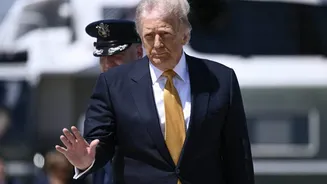
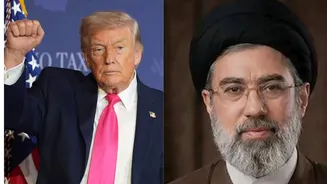
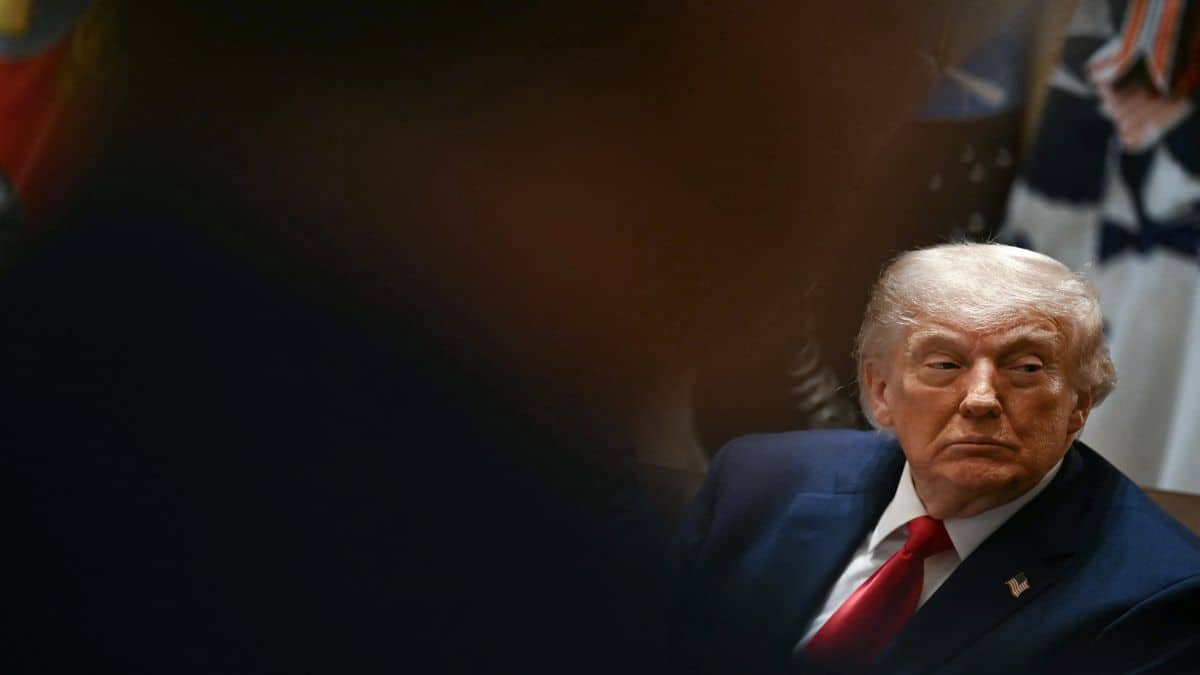
US President Donald Trump is yet to sign off on the peace deal with Iran. It appears that the US president is considering the deal and has asked for some time. AFP
Trump prides himself on being a master negotiator and the man who can close deals. His reluctance in this matter may stem from the fact that many have deemed the peace deal to be a capitulation. Many Republicans have slammed the agreement, saying it gives too much to Iran too soon.
“The rumoured 60-day ceasefire – with the belief that Iran will ever engage in good faith – would be a disaster,” wrote Senator Roger Wicker, the chairman of the Senate Armed Services Committee. “Everything accomplished by Operation Epic Fury would be for naught!”
Another Republican political strategist was also quoted as telling The Guardian, “It’s terrible timing. There is already anger over the [$1.8bn anti-weaponisation] fund and the midterms. [Republicans] already feel betrayed by Trump and now they’re worried he’s giving away too much” to reopen the Strait of Hormuz.
There’s also the fact that Trump believes that time is on his side. An Axios report states that Trump believes Iran is currently under severe economic and military strain, and that waiting longer could force Tehran into accepting tougher terms. The White House believes that delaying the approval puts pressure on an economically and militarily battered Iran, which helps in the pressure game that could secure additional concessions on enrichment levels, inspections, or maritime guarantees before finalising the agreement.
We will just have to wait and watch as negotiations and counter-negotiations unfold. For now, a fragile ceasefire remains in place.
With inputs from agencies