






What is the story about?
Despite mounting pressure from the White House to support efforts in reopening the strategically crucial Strait of Hormuz, several European governments have firmly declined to commit military assets, exposing a widening rift between the United States and its European allies
The divergence reflects deeper disagreements about how the conflict began and how far Europe should go in supporting a war it neither initiated nor endorsed.
Washington has requested for allied naval support to secure the Strait of Hormuz after Iran effectively disrupted shipping routes using drones, missiles, and sea mines. The waterway is a critical artery for global energy flows, carrying roughly one-fifth of the world’s oil and liquefied natural gas.
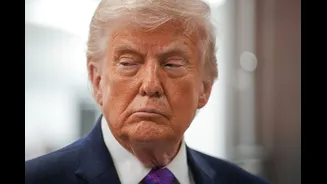
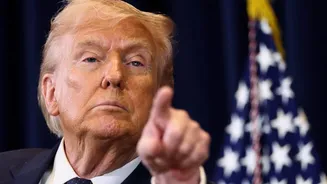
US President Trump has argued that countries benefiting from the passage should share responsibility for ensuring its safety.
“It’s only appropriate that people who are the beneficiaries of the Strait will help to make sure that nothing bad happens there,” he told the Financial Times, while warning that Nato allies risked a “very bad future” if they refused.
Yet, key European powers have resisted the "appeal". Governments in Germany, Spain, and Italy have all made it clear that they have no immediate plans to dispatch naval forces to the Gulf.
German Defence Minister Boris Pistorius publicly questioned the practicality of European intervention, asking, “What does (...) Donald Trump expect a handful or two handfuls of European frigates to do in the Strait of Hormuz that the powerful U.S. Navy cannot do?”
He announced Berlin’s position by stating, “This is not our war, we have not started it.”
German officials have pointed out that neither the United States nor Israel sought European input prior to launching the military campaign, also pointing out that Washington had initially indicated that European assistance was not required.
Italy has echoed this cautious stance. Deputy Prime Minister Matteo Salvini warned that deploying naval assets to a conflict zone would be tantamount to entering the war itself, stating, “Italy is not at war with anyone and sending military ships in a war zone would mean entering the war.”
Spain, meanwhile, has stated that it will not undertake actions that could intensify hostilities. Japan and Australia have also rejected Trump's request, as of March 18.
Even among allies that have not categorically ruled out participation, the tone has remained measured. The United Kingdom has indicated willingness to work with partners on ensuring freedom of navigation, but Prime Minister Keir Starmer has simultaneously stressed that Britain does not intend to become entangled in a broader conflict.
However, Starmer has permitted the use of its military facilities in Cyprus to assist US operations. He noted that Britain maintains “thousands of service men and women in Cyprus,” along with fighter squadrons and counter-drone capabilities aimed at intercepting Iranian threats.
Greece has deployed naval and air assets, while France has positioned military vessels in the region, including deployments to Cyprus. Nato forces have additionally intercepted Iranian drones and missiles near strategic locations such as Turkey’s Incirlik Air Base.
Denmark has similarly suggested that any European role should prioritise de-escalation rather than confrontation.
While the Strait of Hormuz is a vital conduit for global energy supplies, Europe’s direct reliance on it is relatively limited compared to Asia. Much of the oil and gas transported through the strait is destined for Asian markets, reducing the immediate impact on European energy security.
Nevertheless, the disruption has had indirect consequences. Global energy prices have risen, contributing to economic pressures across Europe. Financial markets have also reacted to uncertainty surrounding the duration and scope of the conflict.
Despite these challenges, European leaders have concluded that the costs of military involvement outweigh the benefits.
Underlying Europe’s response is a broader sense of unease about the direction of US foreign policy under Trump. The decision to launch the war without extensive consultation has been a particular point of contention.
European officials have contrasted the current situation with earlier conflicts in which the United States sought to build international coalitions like in 1991 when
US President George H W Bush assembled a multinational alliance to liberate Kuwait.
A decade later, US President George W Bush secured United Nations backing for military action in Iraq, even though that effort remained controversial.
In contrast, the present conflict has been characterised by unilateral decision-making. Trump’s approach has included limited engagement with both domestic institutions and international partners prior to initiating military operations.
This has contributed to scepticism among European governments regarding the objectives and potential outcomes of the war.
The lack of clearly articulated goals has further complicated matters. Uncertainty over how long the conflict might last, and what conditions would constitute success, has made European leaders wary of committing resources.
Practical considerations also play a significant role in shaping Europe’s stance. Many European militaries have limited capacity for sustained operations far from home, particularly after decades of reliance on US security guarantees.
Even the continent’s more capable forces face constraints. France, often regarded as Europe’s leading military power within Nato, has already committed a substantial portion of its naval assets to the Gulf.
Italy, for its part, has had to redeploy air defence systems from other regions, including the Baltic, in order to support operations closer to the conflict zone.
With tensions persisting in Eastern Europe, particularly in relation to Russia’s actions in Ukraine, European governments are reluctant to divert more resources away from their immediate neighbourhood.
The perceived threat from Russia remains a central concern. Many European leaders fear that a prolonged conflict in West Asia could weaken their defensive posture at a time when vigilance is required closer to home.
This shift is not entirely new, but recent events have accelerated its momentum. Earlier in the year, tensions between Washington and European capitals surfaced over issues such as Greenland.
Established in 1949, the Nato alliance is anchored in the principle of collective defence, codified in Article 5 of its founding treaty. This provision obligates members to respond when one of them is attacked.
However, the present conflict does not meet that threshold. The military campaign against Iran was initiated by the United States and Israel, and therefore does not constitute an attack on a Nato member state. .
Nato’s Article 1 commits member states to resolving disputes peacefully and refraining from actions that could endanger international stability. The current conflict, which has already triggered regional escalation and disrupted global markets, sits uneasily with these commitments.
Nato’s operational scope, as defined under Article 6, primarily covers member territories in Europe and North America, as well as certain adjacent regions such as the Mediterranean. The conflict zone centred around Iran lies outside these defined boundaries.
These limitations help explain why Nato has thus far confined its role to indirect support. According to Secretary General Mark Rutte, there are “absolutely no plans” for the alliance itself to participate directly in the conflict.
Instead, Nato has focused on enabling measures such as logistics coordination and missile defence.
This approach is consistent with past precedents. Following the September 11 attacks, Nato invoked Article 5 for the first time, yet individual members retained discretion over the extent of their participation in subsequent military operations.
The European Union has explored the possibility of working with the United Nations to establish mechanisms that could facilitate the safe passage of commercial vessels through contested waters.
EU foreign policy chief Kaja Kallas has indicated that discussions are underway regarding potential frameworks inspired by previous agreements, such as arrangements that enabled grain exports during the conflict between Russia and Ukraine.
At the same time, the EU is evaluating whether to expand the mandate of its existing naval mission in West Asia, known as Aspides.
Currently tasked with protecting shipping in the Red Sea from attacks by Yemen’s Houthi rebels, the mission could theoretically be extended to cover the Strait of Hormuz. However, consensus on this issue remains elusive.
Countries leading the mission have expressed reservations about broadening its scope as Greece, which plays a central role in Aspides, has indicated that its involvement will remain limited to the Red Sea.
Also Watch:
With inputs from agencies
The divergence reflects deeper disagreements about how the conflict began and how far Europe should go in supporting a war it neither initiated nor endorsed.
How did Europe refuse Trump's 'request'?
Washington has requested for allied naval support to secure the Strait of Hormuz after Iran effectively disrupted shipping routes using drones, missiles, and sea mines. The waterway is a critical artery for global energy flows, carrying roughly one-fifth of the world’s oil and liquefied natural gas.
US President Trump has argued that countries benefiting from the passage should share responsibility for ensuring its safety.
“It’s only appropriate that people who are the beneficiaries of the Strait will help to make sure that nothing bad happens there,” he told the Financial Times, while warning that Nato allies risked a “very bad future” if they refused.
Yet, key European powers have resisted the "appeal". Governments in Germany, Spain, and Italy have all made it clear that they have no immediate plans to dispatch naval forces to the Gulf.
German Defence Minister Boris Pistorius publicly questioned the practicality of European intervention, asking, “What does (...) Donald Trump expect a handful or two handfuls of European frigates to do in the Strait of Hormuz that the powerful U.S. Navy cannot do?”
He announced Berlin’s position by stating, “This is not our war, we have not started it.”
German officials have pointed out that neither the United States nor Israel sought European input prior to launching the military campaign, also pointing out that Washington had initially indicated that European assistance was not required.
Italy has echoed this cautious stance. Deputy Prime Minister Matteo Salvini warned that deploying naval assets to a conflict zone would be tantamount to entering the war itself, stating, “Italy is not at war with anyone and sending military ships in a war zone would mean entering the war.”
Spain, meanwhile, has stated that it will not undertake actions that could intensify hostilities. Japan and Australia have also rejected Trump's request, as of March 18.
Even among allies that have not categorically ruled out participation, the tone has remained measured. The United Kingdom has indicated willingness to work with partners on ensuring freedom of navigation, but Prime Minister Keir Starmer has simultaneously stressed that Britain does not intend to become entangled in a broader conflict.
However, Starmer has permitted the use of its military facilities in Cyprus to assist US operations. He noted that Britain maintains “thousands of service men and women in Cyprus,” along with fighter squadrons and counter-drone capabilities aimed at intercepting Iranian threats.
Greece has deployed naval and air assets, while France has positioned military vessels in the region, including deployments to Cyprus. Nato forces have additionally intercepted Iranian drones and missiles near strategic locations such as Turkey’s Incirlik Air Base.
Denmark has similarly suggested that any European role should prioritise de-escalation rather than confrontation.
Why is Europe refusing to join Trump's war in Iran?
While the Strait of Hormuz is a vital conduit for global energy supplies, Europe’s direct reliance on it is relatively limited compared to Asia. Much of the oil and gas transported through the strait is destined for Asian markets, reducing the immediate impact on European energy security.
Nevertheless, the disruption has had indirect consequences. Global energy prices have risen, contributing to economic pressures across Europe. Financial markets have also reacted to uncertainty surrounding the duration and scope of the conflict.
Despite these challenges, European leaders have concluded that the costs of military involvement outweigh the benefits.
Underlying Europe’s response is a broader sense of unease about the direction of US foreign policy under Trump. The decision to launch the war without extensive consultation has been a particular point of contention.
European officials have contrasted the current situation with earlier conflicts in which the United States sought to build international coalitions like in 1991 when
A decade later, US President George W Bush secured United Nations backing for military action in Iraq, even though that effort remained controversial.
In contrast, the present conflict has been characterised by unilateral decision-making. Trump’s approach has included limited engagement with both domestic institutions and international partners prior to initiating military operations.
This has contributed to scepticism among European governments regarding the objectives and potential outcomes of the war.
The lack of clearly articulated goals has further complicated matters. Uncertainty over how long the conflict might last, and what conditions would constitute success, has made European leaders wary of committing resources.
Practical considerations also play a significant role in shaping Europe’s stance. Many European militaries have limited capacity for sustained operations far from home, particularly after decades of reliance on US security guarantees.
Even the continent’s more capable forces face constraints. France, often regarded as Europe’s leading military power within Nato, has already committed a substantial portion of its naval assets to the Gulf.
Italy, for its part, has had to redeploy air defence systems from other regions, including the Baltic, in order to support operations closer to the conflict zone.
With tensions persisting in Eastern Europe, particularly in relation to Russia’s actions in Ukraine, European governments are reluctant to divert more resources away from their immediate neighbourhood.
The perceived threat from Russia remains a central concern. Many European leaders fear that a prolonged conflict in West Asia could weaken their defensive posture at a time when vigilance is required closer to home.
This shift is not entirely new, but recent events have accelerated its momentum. Earlier in the year, tensions between Washington and European capitals surfaced over issues such as Greenland.
Why isn't Nato obligated to help the US against Iran?
Established in 1949, the Nato alliance is anchored in the principle of collective defence, codified in Article 5 of its founding treaty. This provision obligates members to respond when one of them is attacked.
However, the present conflict does not meet that threshold. The military campaign against Iran was initiated by the United States and Israel, and therefore does not constitute an attack on a Nato member state. .
Nato’s Article 1 commits member states to resolving disputes peacefully and refraining from actions that could endanger international stability. The current conflict, which has already triggered regional escalation and disrupted global markets, sits uneasily with these commitments.
Nato’s operational scope, as defined under Article 6, primarily covers member territories in Europe and North America, as well as certain adjacent regions such as the Mediterranean. The conflict zone centred around Iran lies outside these defined boundaries.
These limitations help explain why Nato has thus far confined its role to indirect support. According to Secretary General Mark Rutte, there are “absolutely no plans” for the alliance itself to participate directly in the conflict.
Instead, Nato has focused on enabling measures such as logistics coordination and missile defence.
This approach is consistent with past precedents. Following the September 11 attacks, Nato invoked Article 5 for the first time, yet individual members retained discretion over the extent of their participation in subsequent military operations.
What could Europe still do to help the US out in the Strait of Hormuz?
The European Union has explored the possibility of working with the United Nations to establish mechanisms that could facilitate the safe passage of commercial vessels through contested waters.
EU foreign policy chief Kaja Kallas has indicated that discussions are underway regarding potential frameworks inspired by previous agreements, such as arrangements that enabled grain exports during the conflict between Russia and Ukraine.
At the same time, the EU is evaluating whether to expand the mandate of its existing naval mission in West Asia, known as Aspides.
Currently tasked with protecting shipping in the Red Sea from attacks by Yemen’s Houthi rebels, the mission could theoretically be extended to cover the Strait of Hormuz. However, consensus on this issue remains elusive.
Countries leading the mission have expressed reservations about broadening its scope as Greece, which plays a central role in Aspides, has indicated that its involvement will remain limited to the Red Sea.
Also Watch:
With inputs from agencies