







What is the story about?
The next chapter in the Windows PC story could begin this week, with Microsoft and Nvidia reportedly preparing to unveil a new generation of computers powered by Nvidia-designed processors.
According to recent reports, the announcements are expected to take place across two of the technology industry’s biggest events: Computex in Taipei and Microsoft’s Build developer conference in San Francisco. While neither company has officially detailed its plans, coordinated teaser posts from Windows, Nvidia and Arm hint strongly at a major launch. The messages, carrying the phrase “A new era of PC”, were accompanied by imagery that appeared to point towards Taipei, where Computex is being held.
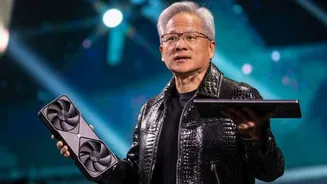
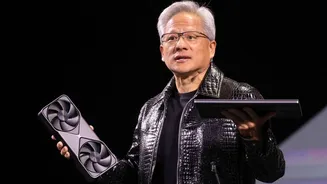
If confirmed, the move would represent Nvidia’s most ambitious attempt yet to break into the mainstream PC market. While the company dominates AI accelerators and graphics processors, the Windows laptop ecosystem has traditionally been controlled by Intel and AMD. Qualcomm has also established a presence through Arm-based chips designed specifically for Windows devices.
Nvidia’s interest in Windows processors is not entirely new. Reports dating back to 2023 suggested that the company was developing CPUs for Microsoft’s operating system using Arm technology. However, an official product launch would mark a significant escalation of those efforts and could intensify competition in the PC processor market.
The timing is notable. Microsoft has spent the past several years exploring alternatives to conventional PC architectures, particularly chips that can deliver stronger battery life and improved efficiency. The company is also keen to create hardware capable of running increasingly sophisticated AI features directly on devices rather than relying solely on cloud infrastructure.
That AI focus is expected to extend well beyond hardware. Alongside the rumoured Nvidia-powered machines, Microsoft is reportedly preparing to introduce a new software platform designed to enable AI agents to carry out tasks locally on Windows PCs.
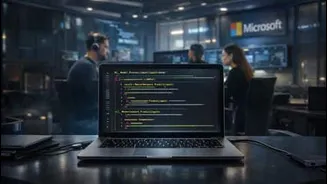
Leaked images circulating online suggest the company is working on a feature known as Autopilot. The screenshots appear to show an AI assistant capable of interacting with a user’s inbox, calendar and Microsoft Teams data to automate routine work. In one example, the system is asked to compile daily briefings, organise emails and prepare draft responses for review.
The leaks also point to a new application called Scout, which could serve as a central hub for Microsoft’s growing collection of AI tools. Rather than forcing users to navigate separate products for chat, coding assistance and productivity tasks, Scout may bring those capabilities together within a single interface.
Many questions remain unanswered. It is still unclear which AI model would power Autopilot, or how the feature might coexist with Microsoft’s existing AI offerings. Yet if the reports prove accurate, the company’s upcoming announcements could showcase a future where Windows PCs are defined not only by new processors, but by AI systems capable of acting on a user’s behalf.
According to recent reports, the announcements are expected to take place across two of the technology industry’s biggest events: Computex in Taipei and Microsoft’s Build developer conference in San Francisco. While neither company has officially detailed its plans, coordinated teaser posts from Windows, Nvidia and Arm hint strongly at a major launch. The messages, carrying the phrase “A new era of PC”, were accompanied by imagery that appeared to point towards Taipei, where Computex is being held.
If confirmed, the move would represent Nvidia’s most ambitious attempt yet to break into the mainstream PC market. While the company dominates AI accelerators and graphics processors, the Windows laptop ecosystem has traditionally been controlled by Intel and AMD. Qualcomm has also established a presence through Arm-based chips designed specifically for Windows devices.
Nvidia’s interest in Windows processors is not entirely new. Reports dating back to 2023 suggested that the company was developing CPUs for Microsoft’s operating system using Arm technology. However, an official product launch would mark a significant escalation of those efforts and could intensify competition in the PC processor market.
The timing is notable. Microsoft has spent the past several years exploring alternatives to conventional PC architectures, particularly chips that can deliver stronger battery life and improved efficiency. The company is also keen to create hardware capable of running increasingly sophisticated AI features directly on devices rather than relying solely on cloud infrastructure.
That AI focus is expected to extend well beyond hardware. Alongside the rumoured Nvidia-powered machines, Microsoft is reportedly preparing to introduce a new software platform designed to enable AI agents to carry out tasks locally on Windows PCs.
Leaked images circulating online suggest the company is working on a feature known as Autopilot. The screenshots appear to show an AI assistant capable of interacting with a user’s inbox, calendar and Microsoft Teams data to automate routine work. In one example, the system is asked to compile daily briefings, organise emails and prepare draft responses for review.
The leaks also point to a new application called Scout, which could serve as a central hub for Microsoft’s growing collection of AI tools. Rather than forcing users to navigate separate products for chat, coding assistance and productivity tasks, Scout may bring those capabilities together within a single interface.
Many questions remain unanswered. It is still unclear which AI model would power Autopilot, or how the feature might coexist with Microsoft’s existing AI offerings. Yet if the reports prove accurate, the company’s upcoming announcements could showcase a future where Windows PCs are defined not only by new processors, but by AI systems capable of acting on a user’s behalf.