







What is the story about?
In Sanjay Leela Bhansali's Padmaavat, Ranveer Singh chewed the scenery with his flesh-and-blood character Khilji, an unapologetically sinister and smoldering antagonist who takes pride in all his sins. Singh has a ball playing this barbaric and blistering warrior, who breaks rules and twists necks, and nearly overshadows everyone surrounding the frame. The film and the character turn eight.
Even the darkest of men can have shades of different colors, and Khilji is one such instance. There's a snake-like charm to his shape-shifting aura, and Singh blends with the hideousness of the character with elan. And recently, Dhurandhar brought back the memories of Padmaavat in more ways than one. Here's how:
The Look: Savagery vs Controlled Power
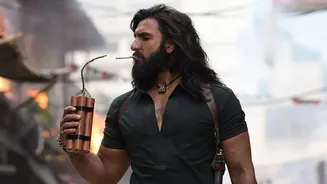
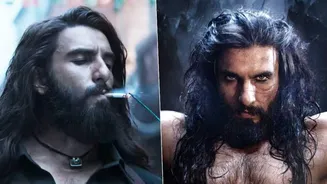
As Alauddin Khilji, Ranveer’s long hair, kohl-rimmed eyes, and blood-stained armour screamed barbaric royalty. Khilji looked unpredictable, almost feral.
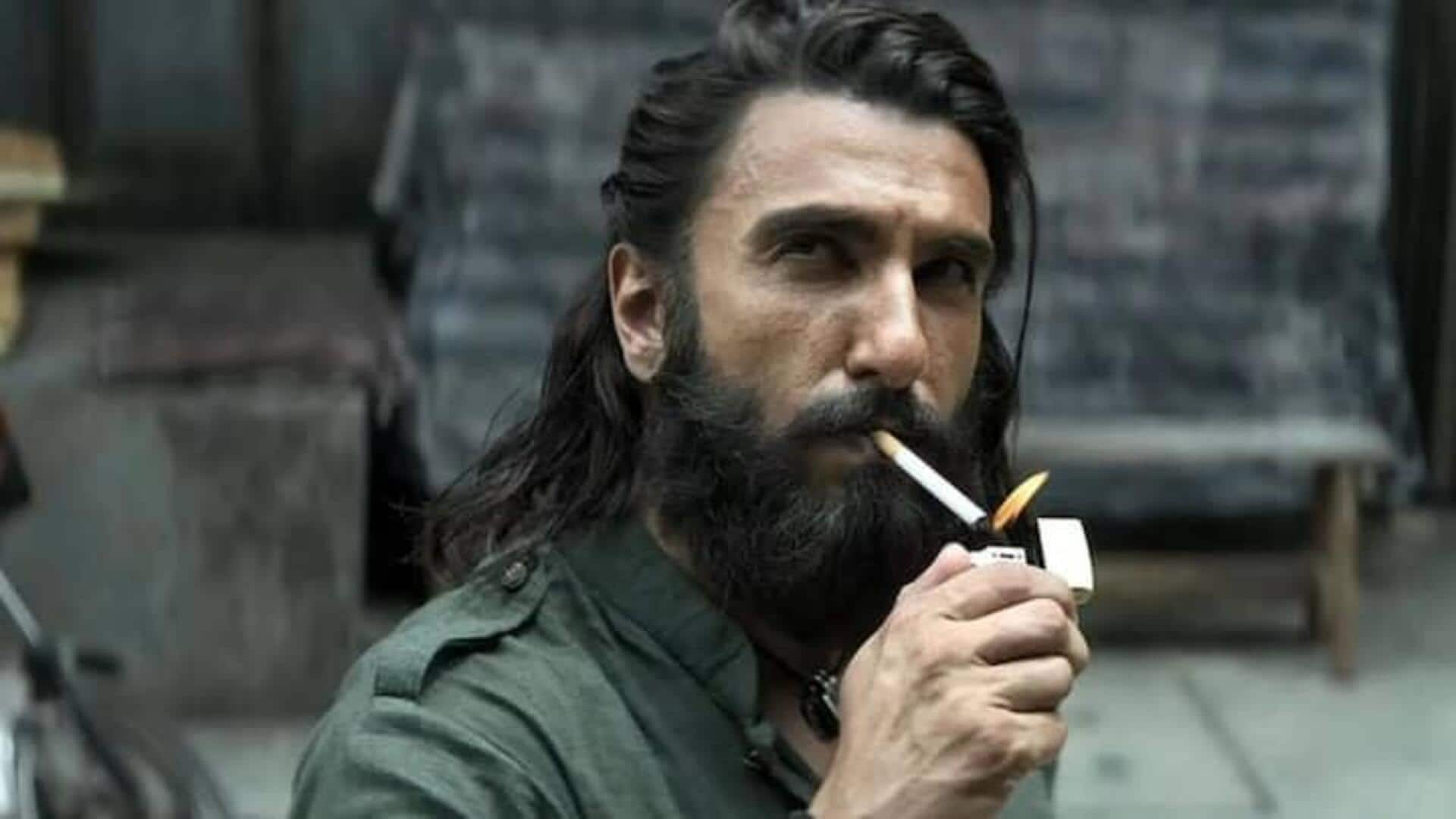
Hamza, on the other hand, is restraint personified. His rugged, sharp silhouettes, layered jackets, and Pakistani outfit reflect a man who doesn’t need excess to command fear. Where Khilji ruled with chaos, Hamza rules with control.
Dialogue Delivery: Roar vs Calm Threat
Khilji’s dialogues were explosive—half-mad laughter, sudden outbursts, and menacing pauses that kept you on edge. Every word felt like a warning.
Hamza barely raises his voice. His dialogues land with a cold finality, proving that silence, when mastered, can be louder than a roar.
The Eyes: Madness vs Calculation
Khilji’s eyes were wild—burning with obsession, hunger, and cruelty. They revealed a man constantly at war with the world. Hamza’s gaze is steadier, deadlier. There’s calculation behind every glance, making him feel like ten steps ahead of everyone else in the room.
Body Language: Unhinged vs Composed
Khilji sprawled, lunged, laughed—his movements were erratic and animalistic.
Hamza moves with spy precision. Every step is measured, every action deliberate, reinforcing his image as a strategist rather than a berserker.
Energy: Chaotic Fire vs Cold Steel
Khilji’s energy was explosive—raw, volatile, and constantly on the verge of eruption. His presence filled the frame with chaos, making every scene feel dangerous and unpredictable.
Hamza’s energy is the opposite—silent, steady, and razor-sharp. He doesn’t burn the screen; he freezes it, proving that restraint can be far more intimidating than rage.
Spy vs Conqueror: Silent Infiltration vs Loud Domination
As a ruler, Khilji conquered through open warfare, bloodshed, and brute force. His power was visible, theatrical, and terrifying—he wanted the world to see his supremacy.
Hamza, however, operates in shadows. As a spy, his strength lies in infiltration, intelligence, and silence. He doesn’t announce his arrival; he dismantles systems quietly.
Even the darkest of men can have shades of different colors, and Khilji is one such instance. There's a snake-like charm to his shape-shifting aura, and Singh blends with the hideousness of the character with elan. And recently, Dhurandhar brought back the memories of Padmaavat in more ways than one. Here's how:
The Look: Savagery vs Controlled Power
As Alauddin Khilji, Ranveer’s long hair, kohl-rimmed eyes, and blood-stained armour screamed barbaric royalty. Khilji looked unpredictable, almost feral.
Hamza, on the other hand, is restraint personified. His rugged, sharp silhouettes, layered jackets, and Pakistani outfit reflect a man who doesn’t need excess to command fear. Where Khilji ruled with chaos, Hamza rules with control.
Dialogue Delivery: Roar vs Calm Threat
Khilji’s dialogues were explosive—half-mad laughter, sudden outbursts, and menacing pauses that kept you on edge. Every word felt like a warning.
Hamza barely raises his voice. His dialogues land with a cold finality, proving that silence, when mastered, can be louder than a roar.
The Eyes: Madness vs Calculation
Khilji’s eyes were wild—burning with obsession, hunger, and cruelty. They revealed a man constantly at war with the world. Hamza’s gaze is steadier, deadlier. There’s calculation behind every glance, making him feel like ten steps ahead of everyone else in the room.
Body Language: Unhinged vs Composed
Khilji sprawled, lunged, laughed—his movements were erratic and animalistic.
Hamza moves with spy precision. Every step is measured, every action deliberate, reinforcing his image as a strategist rather than a berserker.
Energy: Chaotic Fire vs Cold Steel
Khilji’s energy was explosive—raw, volatile, and constantly on the verge of eruption. His presence filled the frame with chaos, making every scene feel dangerous and unpredictable.
Hamza’s energy is the opposite—silent, steady, and razor-sharp. He doesn’t burn the screen; he freezes it, proving that restraint can be far more intimidating than rage.
Spy vs Conqueror: Silent Infiltration vs Loud Domination
As a ruler, Khilji conquered through open warfare, bloodshed, and brute force. His power was visible, theatrical, and terrifying—he wanted the world to see his supremacy.
Hamza, however, operates in shadows. As a spy, his strength lies in infiltration, intelligence, and silence. He doesn’t announce his arrival; he dismantles systems quietly.