





What is the story about?
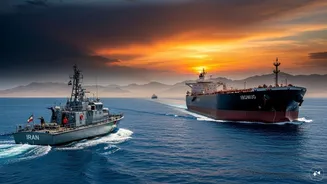
Iran is considering imposing transit fees on vessels passing through the Strait of Hormuz, according to a Guardian reports, citing Iranian media, with officials also warning of potential measures against what they describe as “domination-seeking powers” using the key trade route.
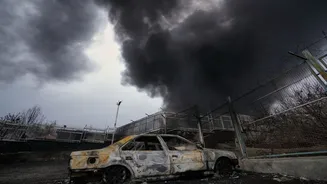
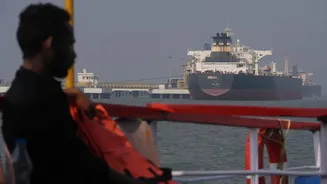
Roughly 20% of the world’s oil supply has been affected by limited access to the Strait following a series of Iranian attacks on commercial vessels. The disruption has raised concerns about global energy security and maritime safety.
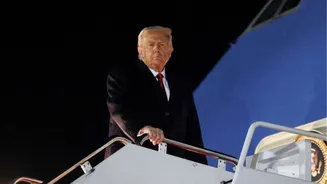
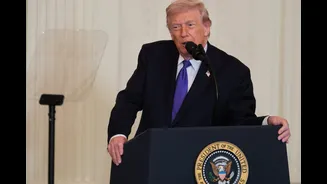
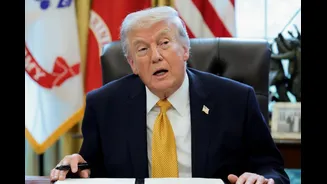
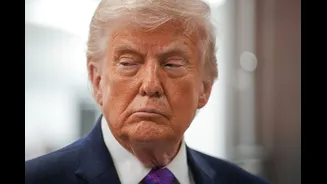
US President Donald Trump has proposed deploying warships to secure safe passage for commercial shipping through the waterway. However, the idea has been firmly rejected by several European allies, signaling divisions among Western powers over how to respond to the crisis.
According to the report, citing Iran’s semi-official Mehr News Agency, a future Iranian administration may impose measures targeting what it described as “domination-seeking powers” utilising the Strait.
Mohammad Mokhber, an adviser to Iran’s Supreme Leader, said that Iran aims to reshape its strategic position following the current conflict.
"At the end of the current imposed war, with the establishment of a new regime for the Strait of Hormuz, Iran will transform from a sanctioned country into a strengthened regional and global power," Mokhber was quoted as saying.
He added that Iran could restrict access to the Strait for certain countries, saying, “We will sanction those domination-seeking arrogant powers using the Strait of Hormuz and prevent their ships from passing.”
Separately, AFP reported — citing the state-affiliated Iranian Student News Agency— that Iranian officials are considering legislation requiring foreign vessels to pay tolls and taxes for shipping, energy transit, and food supplies passing through the vital trade route.
With inputs from agencies
Roughly 20% of the world’s oil supply has been affected by limited access to the Strait following a series of Iranian attacks on commercial vessels. The disruption has raised concerns about global energy security and maritime safety.
US President Donald Trump has proposed deploying warships to secure safe passage for commercial shipping through the waterway. However, the idea has been firmly rejected by several European allies, signaling divisions among Western powers over how to respond to the crisis.
According to the report, citing Iran’s semi-official Mehr News Agency, a future Iranian administration may impose measures targeting what it described as “domination-seeking powers” utilising the Strait.
Mohammad Mokhber, an adviser to Iran’s Supreme Leader, said that Iran aims to reshape its strategic position following the current conflict.
"At the end of the current imposed war, with the establishment of a new regime for the Strait of Hormuz, Iran will transform from a sanctioned country into a strengthened regional and global power," Mokhber was quoted as saying.
He added that Iran could restrict access to the Strait for certain countries, saying, “We will sanction those domination-seeking arrogant powers using the Strait of Hormuz and prevent their ships from passing.”
Separately, AFP reported — citing the state-affiliated Iranian Student News Agency— that Iranian officials are considering legislation requiring foreign vessels to pay tolls and taxes for shipping, energy transit, and food supplies passing through the vital trade route.
With inputs from agencies