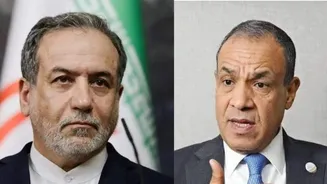





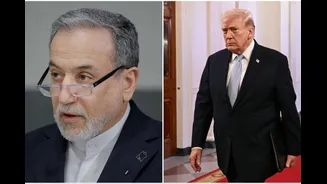
In a high-stakes diplomatic "check-in" amid a region on edge, Iranian Foreign Minister Abbas Araghchi and his Egyptian counterpart, Badr Abdelatty, took to the phones on Tuesday to discuss the West Asia crisis.
The conversation, confirmed by both ministries, comes at a critical juncture, as the fallout from recent military exchanges between Iran, Israel, and the US continues to disrupt global energy markets and regional stability.
During the call, Araghchi was reportedly direct about Tehran’s stance following recent strikes. He framed Iran’s military actions not as escalation, but as a necessary deterrent.
"The armed forces of the Islamic Republic of Iran are in full readiness to exercise the legitimate right to self-defense," Araghchi told Abdelatty, according to a statement from the Iranian Foreign Ministry. He emphasised that any response to "aggression and crimes" would be "firm and decisive."
Despite the tough talk, Araghchi also pivoted to a more neighborly tone, suggesting that Tehran still sees a path toward regional cooperation if foreign "interference" is removed from the equation.
Follow Firstpost’s live coverage on the Iran war here.
Egypt’s warning of 'total chaos'
For Egypt, the stakes are both geopolitical and deeply economic. Foreign Minister Badr Abdelatty has spent the last 48 hours in a whirlwind of "phone diplomacy," speaking with officials from Washington to Ankara. His message to Araghchi was one of urgent restraint.
According to Egyptian Ministry spokesperson Tamim Khallaf, Abdelatty warned that the targeting of civilian infrastructure and the continued military escalation threaten to plunge the Middle East into a state of "comprehensive regional war."
"The diplomatic path is the only way to contain these tensions," Abdelatty stressed during the series of calls, urging all parties to exercise "self-restraint and wisdom" to avoid a cycle of violence that could lead to "total chaos."
Why this call matters now
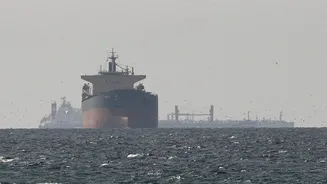
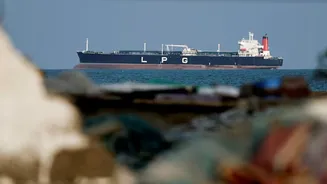
The timing of this dialogue is no accident. With the Strait of Hormuz facing significant disruptions and the "Iran War" entering a volatile new phase, Cairo is positioning itself as a vital bridge. The two ministers reportedly agreed to:
- Continue regular consultations to prevent the conflict from expanding into neighboring countries.
- Prioritise the safety of international navigation, a point of major concern for Egypt given the impact on Suez Canal revenues.
- Explore a "workable vision" for a ceasefire that includes regional perspectives.
While the two nations have had a historically complex relationship, the "hotline" between Tehran and Cairo is currently one of the few remaining threads holding a fragile regional peace together.