






What is the story about?
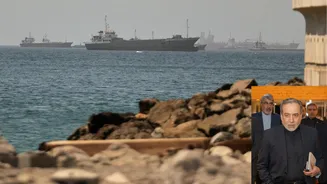
Iranian Deputy Foreign Minister Kazem Gharibabadi on Monday said that Iran and Oman had held the first meeting of the 'Hormuz Joint Committee' regarding the future management of the Strait of Hormuz.
In a statement on X, Gharibabadi said he met Omani Minister of State for Foreign Affairs Abdulaziz al-Hinai and "exchanged views on the future management of the Strait within the framework of paragraph five of the Islamabad Memorandum of Understanding and the sovereign rights of the coastal states".
Gharibabadi did not go into the specifics of the future management arrangements that he and al-Hinai discussed.
The development comes shortly after the United States and Iran exchanged multiple rounds of attacks. The attacks began with Iran striking a ship for transiting the Strait on an unapproved route along the Omani coast. The United States attacked Iranian sites in retaliation, triggering multiple rounds of tit-for-tat strikes. The two sides on Sunday
agreed to halt attacks and meet in Doha on Tuesday for the next round of talks.
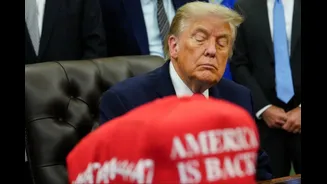
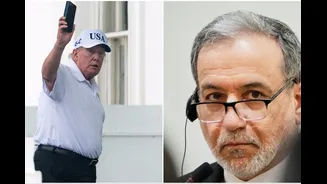
Despite the US-Iran MoU clearly stating that Iran shall be free to govern the Strait as it wishes, US President Donald Trump has maintained that transit will remain completely unconditional. He has previously threatened to "blow up" Oman if it charged a toll for passage through the Strait.
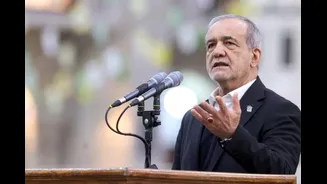
But, irrespective of Trump's claims, the MoU that he signed with Iranian President Masoud Pezeshkian states that "Iran will make arrangements" for the safe passage of commercial ships and that Iran and Oman will "define the future administration and maritime services in the Strait of Hormuz, in discussion with other Persian Gulf littoral states in line with the applicable international law and the sovereign rights of coastal states of the Strait of Hormuz".
As per the letter and spirit of the clause, Iran has sought to set the terms for transit through the Strait and entered into consultations with Oman.
While Gharibabadi did not go into the specifics of their discussions, an Iranian-Omani meeting last week offers clues about what might be under consideration.
Last week, Iranian Deputy Economy Minister Foroud Asgari met Omani customs chief Said bin Khamis al-Ghaithi and proposed the formation of a joint committee to implement the US-Iran MoU, according to Iran's state-run IRNA news agency.
The proposal involved organising study visits to customs offices and ports of origin and destination, as well as holding periodic meetings between the customs administrations of the two countries, according to the report.
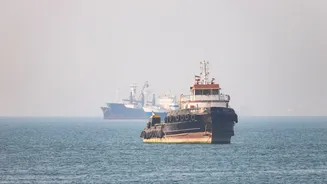
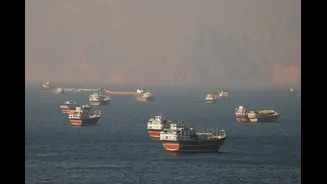
Last week, Iran stated that transit through the Strait would not be unconditional and would be allowed only through the designated route running through Iranian territorial waters. It said that any ship transiting via any other route, such as the southern route along Omani waters, would lose the right to safe passage.
As a result, Iran struck a ship, Ever Lovely, which was said to have been transiting outside the designated route. In retaliation, the United States struck Iran, prompting retaliatory Iranian attacks and plunging the two sides into a cycle of tit-for-tat strikes that threatened to unravel their interim peace deal.
In a statement on X, Gharibabadi said he met Omani Minister of State for Foreign Affairs Abdulaziz al-Hinai and "exchanged views on the future management of the Strait within the framework of paragraph five of the Islamabad Memorandum of Understanding and the sovereign rights of the coastal states".
Gharibabadi did not go into the specifics of the future management arrangements that he and al-Hinai discussed.
The development comes shortly after the United States and Iran exchanged multiple rounds of attacks. The attacks began with Iran striking a ship for transiting the Strait on an unapproved route along the Omani coast. The United States attacked Iranian sites in retaliation, triggering multiple rounds of tit-for-tat strikes. The two sides on Sunday
Despite the US-Iran MoU clearly stating that Iran shall be free to govern the Strait as it wishes, US President Donald Trump has maintained that transit will remain completely unconditional. He has previously threatened to "blow up" Oman if it charged a toll for passage through the Strait.
But, irrespective of Trump's claims, the MoU that he signed with Iranian President Masoud Pezeshkian states that "Iran will make arrangements" for the safe passage of commercial ships and that Iran and Oman will "define the future administration and maritime services in the Strait of Hormuz, in discussion with other Persian Gulf littoral states in line with the applicable international law and the sovereign rights of coastal states of the Strait of Hormuz".
As per the letter and spirit of the clause, Iran has sought to set the terms for transit through the Strait and entered into consultations with Oman.
در سفر به مسقط، اولین نشست کمیته مشترک هرمز با عبدالعزیز الهنایی، وزیر مشاور در امور خارجه عمان برگزار شد. ضمن مرور مسائل جاری در رابطه با تنگه، درباره مدیریت آینده تنگه در چارچوب بند پنج یادداشت تفاهم اسلام آباد و حقوق حاکمیتی دولتهای ساحلی تبادل نظر کردیم. pic.twitter.com/m26EBHWwhn
— Gharibabadi (@Gharibabadi) June 29, 2026
Iran, Oman could collaborate on customs for Strait of Hormuz
While Gharibabadi did not go into the specifics of their discussions, an Iranian-Omani meeting last week offers clues about what might be under consideration.
Last week, Iranian Deputy Economy Minister Foroud Asgari met Omani customs chief Said bin Khamis al-Ghaithi and proposed the formation of a joint committee to implement the US-Iran MoU, according to Iran's state-run IRNA news agency.
The proposal involved organising study visits to customs offices and ports of origin and destination, as well as holding periodic meetings between the customs administrations of the two countries, according to the report.
Last week, Iran stated that transit through the Strait would not be unconditional and would be allowed only through the designated route running through Iranian territorial waters. It said that any ship transiting via any other route, such as the southern route along Omani waters, would lose the right to safe passage.
As a result, Iran struck a ship, Ever Lovely, which was said to have been transiting outside the designated route. In retaliation, the United States struck Iran, prompting retaliatory Iranian attacks and plunging the two sides into a cycle of tit-for-tat strikes that threatened to unravel their interim peace deal.