







What is the story about?
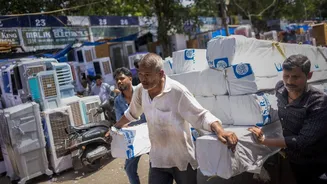
Parts of northern India breathed a sigh of relief on late Thursday (May 28) evening as thunderstorms and rainfall brought respite from the severe heatwave. Temperatures are set to plunge further as the India Meteorological Department (IMD) has predicted more thunderstorms, rain and strong winds across several states in the coming days.
For most of May, severe heat gripped northwest and central India. Uttar Pradesh’s Banda has reported the highest maximum temperature of 48 degrees Celsius so far this year. Such extreme weather raises the risk of heatstroke and other heat-related illnesses.
In India, men are more vulnerable to heatstroke, the recent National Crime Records Bureau (NCRB) report has revealed. But why?
We take a deep dive.
Heatstroke is caused by overheating of the body. It is a medical emergency that can lead to confusion, nausea, seizures, dizziness, loss of consciousness and even organ failure if not treated promptly.
As the world gets hotter, there has been a rise in heatstroke deaths. Studies between 2000 and 2019 show that about 489,000 heat-related deaths occur annually, with 45 per cent reported in Asia and 36 per cent in Europe.
As heatwaves become more prolonged and intense, India has been recording dozens of heatstroke deaths every year.
As per the NCRB data, India witnessed 1,832 heatstroke casualties in 2024, among the highest annual fatalities in two decades.
In 2015, as many as 1,908 people had died due to
extreme heat. These figures fell during the pandemic years, with 374 heatstroke deaths reported in 2021. However, the number of such fatalities has since jumped.
Between March and June last year, India recorded more than 7,000 suspected heatstroke cases and 14 deaths, as per Reuters. The official data for the period has not been released.
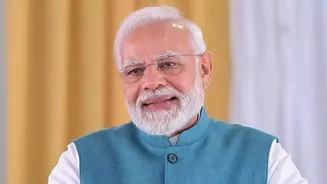
Earlier this week, Prime Minister Narendra Modi called on people to take precautions and watch out for heat-related illnesses amid "soaring temperatures."
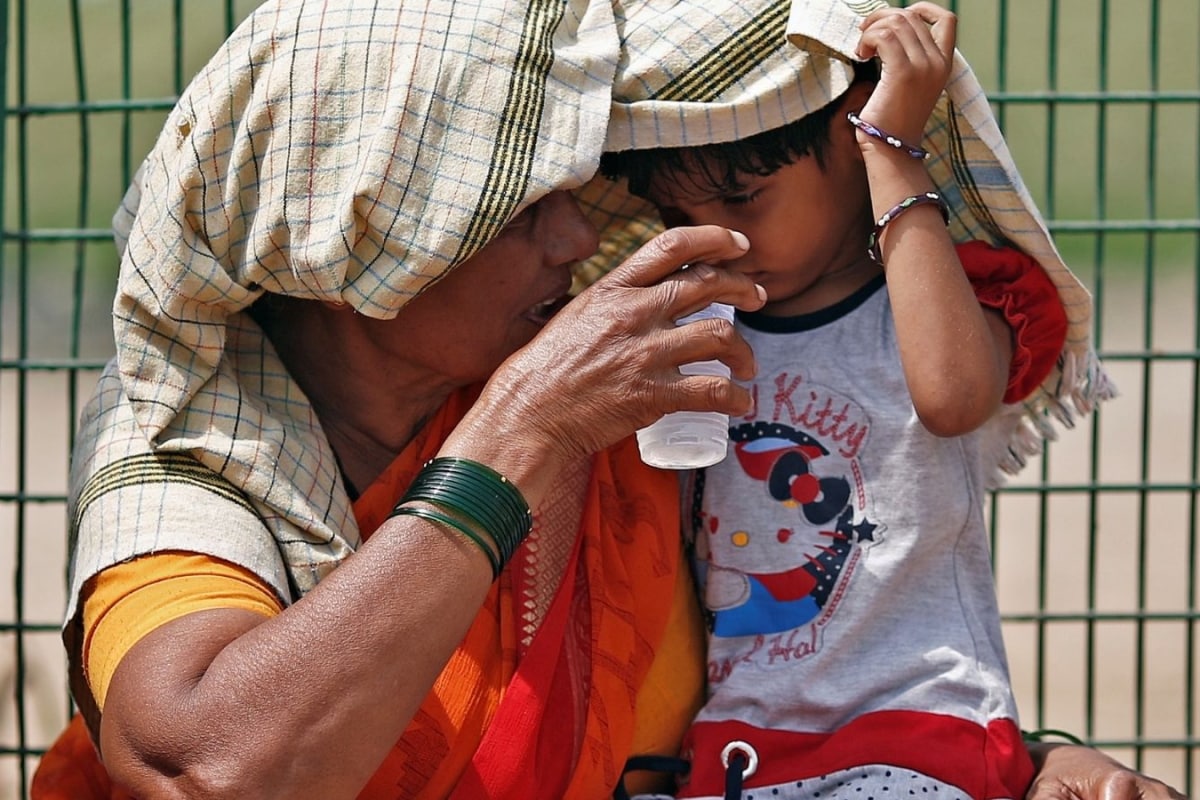
"This heat is harsh on all of us and I urge you all to take as many precautions as possible. Please stay hydrated, keep water with you when stepping out. Offer a glass of water to others," he said in a series of posts on X, adding that "kindness goes a long way."
In another post, he warned people to remain vigilant for the symptoms of heatstroke.
"Watch for signs of heat exhaustion like dizziness, nausea or extreme fatigue. If someone around you feels unusually unwell, weak or develops a headache, it is best to help move them to a cool and shaded place immediately. Ensure they get water, ORS, etc. that helps them," Modi said.
He also flagged that children, the elderly, and those working outdoors were particularly vulnerable to the extreme heat. The PM also recommended keeping a bowl of water outside homes and offices for birds and other animals.
The NCRB’s data is telling. More men died from heatstroke in 2024 across age groups than women.
According to the Accidental Deaths and Suicides in India (ADSI) report released in May, in the 30-44 age group, 525 men died due to heatstroke. Among those aged 45-59, the toll was even higher at 577.
Female fatalities in the same age brackets were considerably lower.
In the younger 18-29 age group, 152 male deaths were recorded, compared with 23 female fatalities.
Men may be more susceptible to heatstroke due to prolonged outdoor exposure. Those involved in outdoor work, such as construction, manual labour, gig work, factories and agriculture, are mostly men.
Men are at higher risk owing to various factors, including physiological, behavioural and occupational, Dr Manjusha Agarwal, consultant, internal medicine, Gleneagles Hospital, Mumbai, told Indian Express.
“Men have higher muscle mass and basal metabolic rate, leading to greater heat production during physical activity. Although they sweat more, this is not always protective, especially in humid environments where sweat cannot evaporate effectively. Women, on the other hand, may have relatively better cutaneous vasodilation, allowing more efficient heat dissipation. Hence, men can suffer from heatstroke,” said Dr Agarwal.
Men are also more likely to avoid symptoms when they initially appear due to the ingrained "push through it" attitude.
Speaking to Indian Express, Dr Sundar Krishnan, senior consultant, internal medicine, KIMS Hospitals, Thane, pointed out that, historically, men have displayed “higher rates of exertional heatstroke”, especially during physically demanding work, military training, and sports.
“However, experts believe this is influenced not only by biology but also by behavioural patterns and workplace culture. Men may be more likely to continue working despite exhaustion or avoid reporting symptoms early. At the same time, it is important to understand that heatstroke risk is highly situational.“
Extreme temperatures also put women, especially the elderly, at risk as with ageing, heat tolerance reduces. Environmental or social factors can also make cooling of the body more difficult amid severe heat.
“Women, especially elderly women, can be more vulnerable during passive heat exposure such as prolonged heatwaves, particularly due to age-related physiological changes and social factors that may limit access to cooling,” Dr Sundar explained.
For men, Dr Sundar said there are also other reasons that make them vulnerable. They are more likely to delay hydration, ignore early symptoms, or continue "pushing through" despite feeling unwell. “Many dismiss warning signs like dizziness, muscle cramps, fatigue, or headaches as routine tiredness. This delay can allow heat exhaustion to progress into heatstroke, which is a medical emergency.”
As per Dr Sundar, lifestyle factors like alcohol intake, smoking, high caffeine consumption, poor sleep and inadequate water intake can also worsen dehydration. “Outdoor workouts, sports activities, and gym sessions during peak afternoon heat can also place extra strain on the body. Many people underestimate how quickly fluid and electrolyte imbalance can develop in extreme weather.”
“Individuals with obesity, diabetes, hypertension, heart disease, or those taking certain medications may face an even higher risk,” he added.
Thus, heatstroke risk does not depend on gender alone. But it is a combination of environmental exposure, physical exertion, fitness, age, and so on.
With inputs from agencies
For most of May, severe heat gripped northwest and central India. Uttar Pradesh’s Banda has reported the highest maximum temperature of 48 degrees Celsius so far this year. Such extreme weather raises the risk of heatstroke and other heat-related illnesses.
In India, men are more vulnerable to heatstroke, the recent National Crime Records Bureau (NCRB) report has revealed. But why?
We take a deep dive.
What is heatstroke?
Heatstroke is caused by overheating of the body. It is a medical emergency that can lead to confusion, nausea, seizures, dizziness, loss of consciousness and even organ failure if not treated promptly.
As the world gets hotter, there has been a rise in heatstroke deaths. Studies between 2000 and 2019 show that about 489,000 heat-related deaths occur annually, with 45 per cent reported in Asia and 36 per cent in Europe.
Heatstroke deaths in India
As heatwaves become more prolonged and intense, India has been recording dozens of heatstroke deaths every year.
As per the NCRB data, India witnessed 1,832 heatstroke casualties in 2024, among the highest annual fatalities in two decades.
In 2015, as many as 1,908 people had died due to
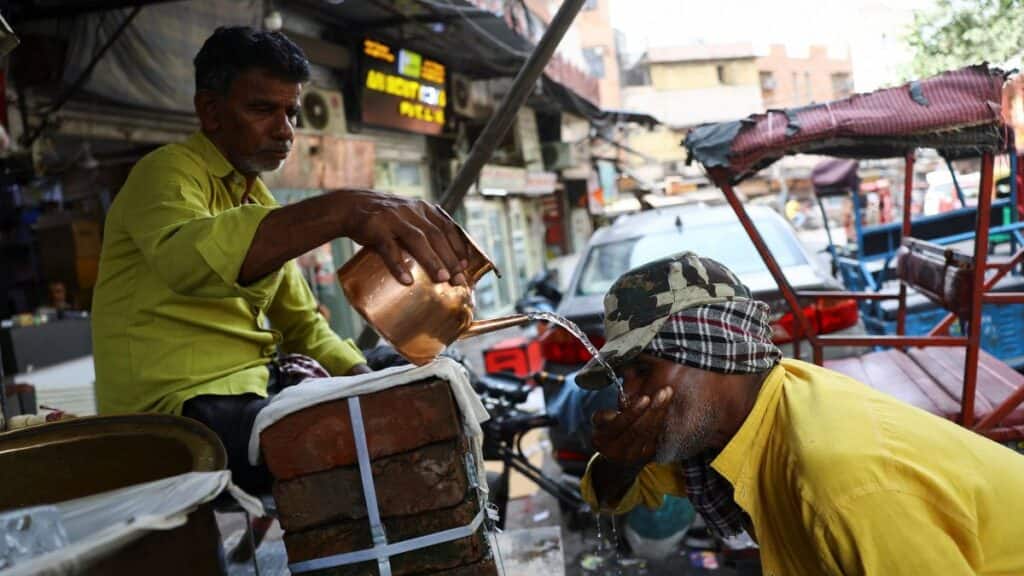
A cycle rickshaw puller drinks water distributed for free by Mohammed Hasin on a street on a hot summer day in Old Delhi, May 22, 2026. File Photo/Reuters
Between March and June last year, India recorded more than 7,000 suspected heatstroke cases and 14 deaths, as per Reuters. The official data for the period has not been released.
Earlier this week, Prime Minister Narendra Modi called on people to take precautions and watch out for heat-related illnesses amid "soaring temperatures."
"This heat is harsh on all of us and I urge you all to take as many precautions as possible. Please stay hydrated, keep water with you when stepping out. Offer a glass of water to others," he said in a series of posts on X, adding that "kindness goes a long way."
In another post, he warned people to remain vigilant for the symptoms of heatstroke.
"Watch for signs of heat exhaustion like dizziness, nausea or extreme fatigue. If someone around you feels unusually unwell, weak or develops a headache, it is best to help move them to a cool and shaded place immediately. Ensure they get water, ORS, etc. that helps them," Modi said.
He also flagged that children, the elderly, and those working outdoors were particularly vulnerable to the extreme heat. The PM also recommended keeping a bowl of water outside homes and offices for birds and other animals.
Whenever possible, call and check on elderly parents, grandparents and loved ones during this heatwave. Remind them to stay hydrated, avoid stepping out in peak afternoon hours and take rest whenever possible.
— Narendra Modi (@narendramodi) May 27, 2026
Are men more at risk of heatstroke?
The NCRB’s data is telling. More men died from heatstroke in 2024 across age groups than women.
According to the Accidental Deaths and Suicides in India (ADSI) report released in May, in the 30-44 age group, 525 men died due to heatstroke. Among those aged 45-59, the toll was even higher at 577.
Female fatalities in the same age brackets were considerably lower.
In the younger 18-29 age group, 152 male deaths were recorded, compared with 23 female fatalities.
Men may be more susceptible to heatstroke due to prolonged outdoor exposure. Those involved in outdoor work, such as construction, manual labour, gig work, factories and agriculture, are mostly men.
Men are at higher risk owing to various factors, including physiological, behavioural and occupational, Dr Manjusha Agarwal, consultant, internal medicine, Gleneagles Hospital, Mumbai, told Indian Express.
“Men have higher muscle mass and basal metabolic rate, leading to greater heat production during physical activity. Although they sweat more, this is not always protective, especially in humid environments where sweat cannot evaporate effectively. Women, on the other hand, may have relatively better cutaneous vasodilation, allowing more efficient heat dissipation. Hence, men can suffer from heatstroke,” said Dr Agarwal.
Men are also more likely to avoid symptoms when they initially appear due to the ingrained "push through it" attitude.
Speaking to Indian Express, Dr Sundar Krishnan, senior consultant, internal medicine, KIMS Hospitals, Thane, pointed out that, historically, men have displayed “higher rates of exertional heatstroke”, especially during physically demanding work, military training, and sports.
“However, experts believe this is influenced not only by biology but also by behavioural patterns and workplace culture. Men may be more likely to continue working despite exhaustion or avoid reporting symptoms early. At the same time, it is important to understand that heatstroke risk is highly situational.“
Extreme temperatures also put women, especially the elderly, at risk as with ageing, heat tolerance reduces. Environmental or social factors can also make cooling of the body more difficult amid severe heat.
“Women, especially elderly women, can be more vulnerable during passive heat exposure such as prolonged heatwaves, particularly due to age-related physiological changes and social factors that may limit access to cooling,” Dr Sundar explained.
For men, Dr Sundar said there are also other reasons that make them vulnerable. They are more likely to delay hydration, ignore early symptoms, or continue "pushing through" despite feeling unwell. “Many dismiss warning signs like dizziness, muscle cramps, fatigue, or headaches as routine tiredness. This delay can allow heat exhaustion to progress into heatstroke, which is a medical emergency.”
As per Dr Sundar, lifestyle factors like alcohol intake, smoking, high caffeine consumption, poor sleep and inadequate water intake can also worsen dehydration. “Outdoor workouts, sports activities, and gym sessions during peak afternoon heat can also place extra strain on the body. Many people underestimate how quickly fluid and electrolyte imbalance can develop in extreme weather.”
“Individuals with obesity, diabetes, hypertension, heart disease, or those taking certain medications may face an even higher risk,” he added.
Thus, heatstroke risk does not depend on gender alone. But it is a combination of environmental exposure, physical exertion, fitness, age, and so on.
With inputs from agencies